Selling a house with asbestos in Washington is doable, but it must be handled carefully. Serious Cash Offer guides homeowners through disclosure requirements, explains how asbestos may affect your sale, and assists you in making informed decisions to keep the process running smoothly and stress-free.
Understanding Asbestos in Your Home in Washington
Before putting a house with asbestos on the market in Washington, it’s essential to understand what asbestos is and its significance. Recognizing its presence and knowing where it’s typically located in residences can greatly impact your sales approach. Exploring the intrigue surrounding this formerly favored building material offers essential insights that can guide choices about remodeling or selling a house in its current state. Understanding the common locations of asbestos is essential for proactively managing potential issues and deciding on the necessary actions before putting a house up for sale.
What is Asbestos and Why Does it Matter?
Asbestos was used in roofing, flooring, and insulation in the past because it was strong, heat-resistant, and good at keeping heat in. Asbestos is useful, but it is also quite dangerous to your health. People who breathe in asbestos fibers are worried because they can get asbestosis, lung cancer, and mesothelioma.
Because asbestos isn’t often obvious, it’s important in homes. Due to degradation, materials may release hazardous fibers into the air. Understanding its hazards is essential for home sellers.
Lack of asbestos cleanup or disclosure during the sale can lead to legal complications, and buyers sometimes demand large discounts. Washington requires sellers to disclose asbestos in their properties, making it crucial to know if your property has it.
Understanding asbestos use helps uncover possible issues, and professional inspectors assess for health and legal compliance. Understand asbestos to protect current residents and influence home sales. Safety must be prioritized when addressing this issue.
At Serious Cash Offer, we buy homes in Washington and offer a simple, speedy selling process.
Common Areas Where Asbestos is Found in Houses in Washington
Due to its widespread use in construction materials before the late 1980s, homes built before then are more likely to contain asbestos. Asbestos is often found in pipes, boilers, and attic insulation. For energy-efficient homes, asbestos was preferred for thermal and acoustic insulation. Roofing materials like shingles and felts employed asbestos for its strength and fire and weather resistance. Asbestos makes vinyl tiles and their adhesives durable and wear-resistant. Popcorn ceilings, textured paints, and wall plasters in older homes may contain asbestos, which was formerly popular but is now dangerous.
Identifying asbestos hotspots empowers homeowners to make knowledgeable choices regarding renovations or property sales. Understanding the presence of asbestos enables sellers to present a clearer and more attractive choice to buyers, occasionally offering cleanup as an incentive. Conducting an asbestos inspection enhances safety while boosting property value and fostering buyer confidence. Engaging experts for testing and removal ensures adherence to regulations and simplifies the selling process.
Early asbestos detection protects future residents and increases home value. Prioritizing evaluations helps homeowners resolve issues, improving transactions.
Selling a House with Asbestos in Washington
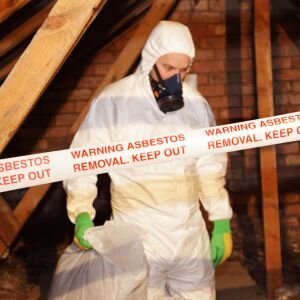
It might be hard to sell a house in Washington that has asbestos, but knowing the rules can help. Both buyers and sellers need to know the rules about asbestos exposure. Washington’s controls on asbestos are needed by law and help buyers trust the state. This information can help buyers get ready to sell by helping them talk about and sale with asbestos risks.
Legal Requirements and Asbestos Disclosure
Grasping the nuances of asbestos disclosure laws in Washington is essential for homeowners looking to sell properties that contain asbestos. Sellers must inform buyers about asbestos disclosure rules. This clarity safeguards merchants from potential legal complications should they neglect to provide necessary information. In Washington, disclosures regarding asbestos are essential due to state mandates.
In addition to adhering to Washington law, this regulation instills confidence in buyers. They are fully aware that they are receiving the complete package. The sales agreement must detail asbestos exposure and the measures taken to mitigate it, such as testing and cleanup procedures. This transparency fosters trust between sellers and buyers, simplifying the negotiation process. Transparent information empowers buyers to make educated decisions, influencing their buying strategy, whether they’re haggling over price or preparing for remediation.
How Washington’s Regulations Affect the Selling Process
Washington’s severe asbestos laws hinder home sales. To minimize delays and legal difficulties, sellers must follow these rules. Understanding these principles helps sellers streamline and cover all critical procedures, including testing and disclosure. These regulations require asbestos assessments before listing a home. Seller disclosures, vital to real estate transactions, must disclose asbestos.
Adhering to this compliance is essential for fulfilling legal requirements and ensuring ethical selling practices that prioritize the health and safety of future occupants. Regulations in Washington can influence property values. By clearly addressing the dangers of asbestos, retailers might have to adjust their pricing strategies to reflect consumer apprehensions. While some buyers might have reservations, others could value openness and the art of negotiation.
Following regulations streamlines transactions and boosts credibility. Sellers must communicate with buyers to moderate expectations and discuss remedy possibilities. This proactive approach prioritizes legal compliance and new home residents’ well-being, which boosts Washington housing market sales.
Options for Asbestos Testing and Remediation in Washington
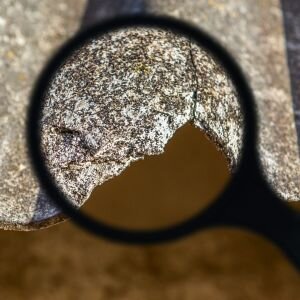
Choosing to sell a home that contains asbestos requires thoughtful evaluation and a well-planned approach, especially regarding testing and remediation processes. These processes play a crucial role in maintaining safety, compliance, and attractiveness for your property in the market. Homeowners can utilize testing to detect asbestos in different parts of their residence, while remediation offers a way to handle or eliminate this dangerous substance. Grasping the significance of these steps not only guarantees adherence to Washington’s strict regulations but also enhances buyer trust and confidence.
The Importance of Asbestos Testing Before Selling
To accurately detect asbestos before selling your home, test it. Asbestos testing is essential owing to its health hazards. Any asbestos in a Washington home must be disclosed before sale. Failure to test could cause compliance concerns and expose potential buyers to asbestos fibers.
The main purpose of asbestos testing is to find asbestos in insulation, flooring, roofing, or other hidden places. Since homes built before the late 1980s are more likely to contain asbestos, this step is crucial. Hiring competent professionals to evaluate the home’s asbestos levels is necessary. Analyses of asbestos fibers determine their kinds and concentrations.
Once test findings indicate asbestos, homeowners can choose whether to fully remediate or sell the property as-is with full disclosure. Successful asbestos testing reassures buyers that the home has been properly inspected and any hazards identified. Certified test findings in seller disclosures demonstrate initiative and boost buyer confidence. This transparency can avert legal issues and establish the property as a reliable investment.
Looking to sell your home for cash in Tacoma? Get a fair offer and close quickly with ease.
Asbestos Remediation and Removal: What You Need to Know
After asbestos testing verifies hazardous materials, understand treatment and removal alternatives. Remediation manages asbestos so it’s safe, whereas removal removes it. Both methods take careful consideration, especially when selling a house in Washington, where cleanup and removal must fulfill high safety standards. Remediation or removal relies on asbestos pollution and housing market strategy.
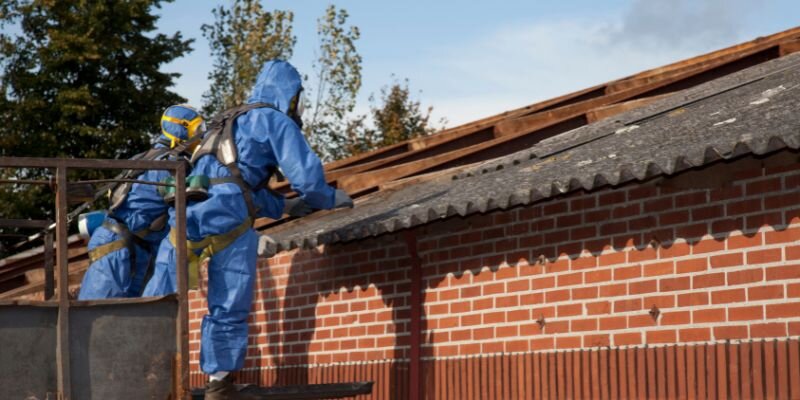
When asbestos is not extensive or airborne, remediation can be cost-effective and rapid. When significant amounts of asbestos are present or fibers may be released, removal may be the only safe alternative. Professional asbestos removal services follow safety guidelines, reducing health risks to workers and future tenants. Professional removal contractors use containment and air quality monitoring to ensure safety.
Full removal is expensive and time-consuming, but it often boosts property value by eliminating the health risk. Potential buyers who desire a safe home like this result. Professional asbestos treatment or removal can also speed up the selling process. Presenting a secure, compliant property that meets Washington’s regulatory criteria reduces buyer reluctance and boosts negotiation power.
Including remediation or removal proof in seller disclosures increases transparency and shows a commitment to health and safety. Given these reasons, a systematic asbestos removal and cleanup strategy meets legal requirements and boosts a home’s appeal and marketability. Prioritizing this stage can improve sales and transaction efficiency.
We simplify property sales with a fast, fair approach. Contact Us at Serious Cash Offer for more details.
Maximizing Your Sale: Selling As-Is vs. Remediation
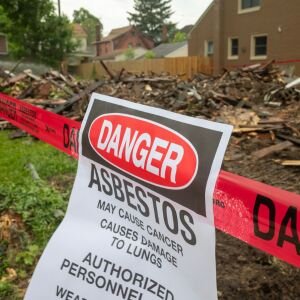
Washington homeowners selling asbestos-containing homes must decide whether to remediate or sell as-is. Each solution has pros and cons that can affect the sale and purchasers’ decisions. Selling a house as-is may attract renovators, but fixing it up can boost its value. Understanding the benefits and downsides of both approaches helps homeowners weigh their financial goals and comply with Washington’s regulations.
Pros and Cons of Selling a House As-Is with Asbestos in Washington
Selling an asbestos-filled house as-is has pros and cons. The rapid relief from costly remediation is a major benefit. If funds are limited, homeowners may forego asbestos removal or management. This method lets sellers list the house immediately, circumventing long cleanup processes and potentially attracting investors or DIY renovators. In a competitive real estate market, purchasers may want to close quickly and see the value in addressing the asbestos issue thereafter.
However, selling an asbestos-contaminated house without cleanup is risky. Asbestos causes safety concerns, which may prevent many customers who are concerned about their health. Transparency and openness are essential since asbestos exposure can cause asbestosis and mesothelioma. Sellers must disclose asbestos in Washington state, which may lower the property’s value. Buyers may demand a lower price to offset perceived hazards and potential remedial needs, prolonging discussions and possibly delaying the sale.
Sellers who don’t treat asbestos face lawsuits. Lawsuits for asbestos concealment can affect sales and reputation. All disclosures are necessary for compliance and buyer trust. Informing purchasers about asbestos facilitates negotiations.
Thus, homeowners must assess the cost-benefit of selling as-is. Saving on remediation expenditures may be tempting, but lower sale prices and longer deadlines to attract committed purchasers must be considered. Even without treatment, competent asbestos evaluation and precise disclosures may boost transparency and bargaining strength. Recognizing these variables allows homeowners to sell their property to the suitable audience while complying with Washington’s real estate laws. Understanding and disclosure can help sell a house with asbestos, especially in a safe and honest market.
Do you want to sell your home? Sell fast, avoid expensive repairs, and enjoy a stress-free sale. Serious Cash Offer is here to help. We offer fair cash options, handle all the details, and make it seamless. Ready to sell or have questions? Call (206) 312-1920 for a no-obligation offer. Start today!
FAQs:
What Are the Health Risks of Home Asbestos?
Asbestos fibers are quite bad for your health when you breathe them in. Asbestosis, lung cancer, and mesothelioma are all diseases that can affect the lungs.
Washington Asbestos Legal Disclosure Requirements?
Washington property sellers must disclose asbestos. This regulation protects dealers from legal issues and ensures transparency. Failing to comply with these regulations can lead to lawsuits.
Where is Asbestos Commonly Found in Older Homes?
In pipe, boiler, and attic insulation, asbestos is common. Shingles and vinyl tiles also contain it. Ceiling popcorn, textured paints, and wall plasters may contain asbestos.
Should I Opt for Asbestos Removal or Sell My House As-Is?
Both approaches have merits and cons. Removing asbestos can boost your home’s value, while selling as-is may attract renovators. Consider your financial goals and follow restrictions before choosing.
Why Should I Test for Asbestos Before Selling a Washington House?
Asbestos testing identifies hazards and guides remediation. To ensure buyer trust and future occupant safety, Washington law requires asbestos disclosure.
Helpful Washington Blog Articles
- Essential Documents For Selling Your House In Washington
- Understanding Washington’s Property Tax Rates
- How To Legally Sell Your Parents’ House In Washington Using Power Of Attorney
- Can you sell a house with a mortgage in Washington
- Can A Seller Legally Back Out Of A Real Estate Contract In Washington?
- Selling A Fixer-upper Home In Washington State
- How Long After an Appraisal Can You Close in Washington
- Selling Home with Reverse Mortgage in Washington
- Average Time for House to Sell in Washington
- Can You Sell a House With Asbestos in Washington