
A family in Spanaway called me last spring, two weeks before their planned closing date. Their buyer’s home inspector had found mold behind the drywall in the master bathroom and up into the attic. A termination notice arrived from the buyer’s agent that same afternoon. Two months of prep work, an accepted offer, and a moving truck already booked, all of it gone in a Tuesday email.
Mold does that. It stops sales cold, rattles buyers, and puts sellers in a position they weren’t expecting. Yes, you can sell a house with mold in Washington, and that outcome isn’t inevitable. The path forward is a lot clearer than most sellers realize.
Selling a Mold-affected Property: What Washington Homeowners Actually Face
Selling a house with mold in Washington State is legal. Nobody is going to arrest you for it, and the state doesn’t require you to fix it before listing. What the state does require, firmly, with real financial consequences for noncompliance, is honest disclosure. This distinction matters a lot because sellers conflate the two constantly. They assume that since they can’t afford remediation, they can’t sell. That’s wrong.
You can sell as-is. You can sell to a cash buyer who will handle the cleanup themselves. You can negotiate a price reduction instead of paying for mold removal, which means you keep more cash in your pocket without touching a single contractor.
The Hernandez family learned this the hard way last summer. I got their call after two separate agent listings in Lakewood had expired with zero offers. We buy houses in Lakewood often enough to recognize that pattern. Their 1970s rancher had moisture damage in the crawl space, and both agents had priced it as if the mold wasn’t there. Buyers walked every time the inspection report came back. On a Thursday walkthrough, I looked at the crawl space myself, confirmed the scope was manageable, and made them a straightforward cash offer. We closed in three weeks. The house didn’t need a listing at all.
The pattern keeps showing up across Western Washington. Sellers waste months chasing a traditional sale when the property condition makes a direct sale the smarter, faster route. Not always, but more often than agents tend to admit.
Roughly 47% of residential properties in the U.S. show visible mold or detectable mold odors, and wet climates like Washington’s push that number higher. This is not a scary statistic; it’s a reminder that mold is common here, buyers know it, and the market has already priced in that reality.
Signs of Mold That Washington Home Sellers Need to Know
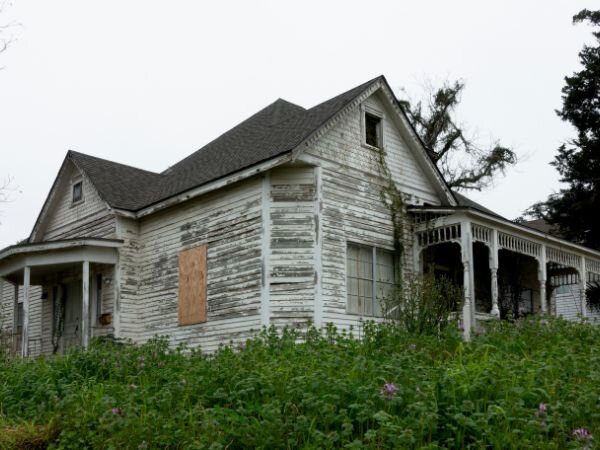
Homes with mold issues can see resale values fall between 20 and 37%, a swing of tens of thousands of dollars on a mid-range property in Tacoma or Renton. Spotting the problem early gives you options, putting you in a position of control rather than scrambling to save a sale. Discovering it mid-transaction gives you a crisis.
Musty odors are usually the first sign, especially in basements and crawl spaces. Washington’s rainfall keeps moisture levels high year-round, so lower levels of a house stay damp for months without anyone noticing. Pay attention to any persistent smell that doesn’t clear out when you open windows, because in my experience, that odor tends to get stronger the closer you get to the source.
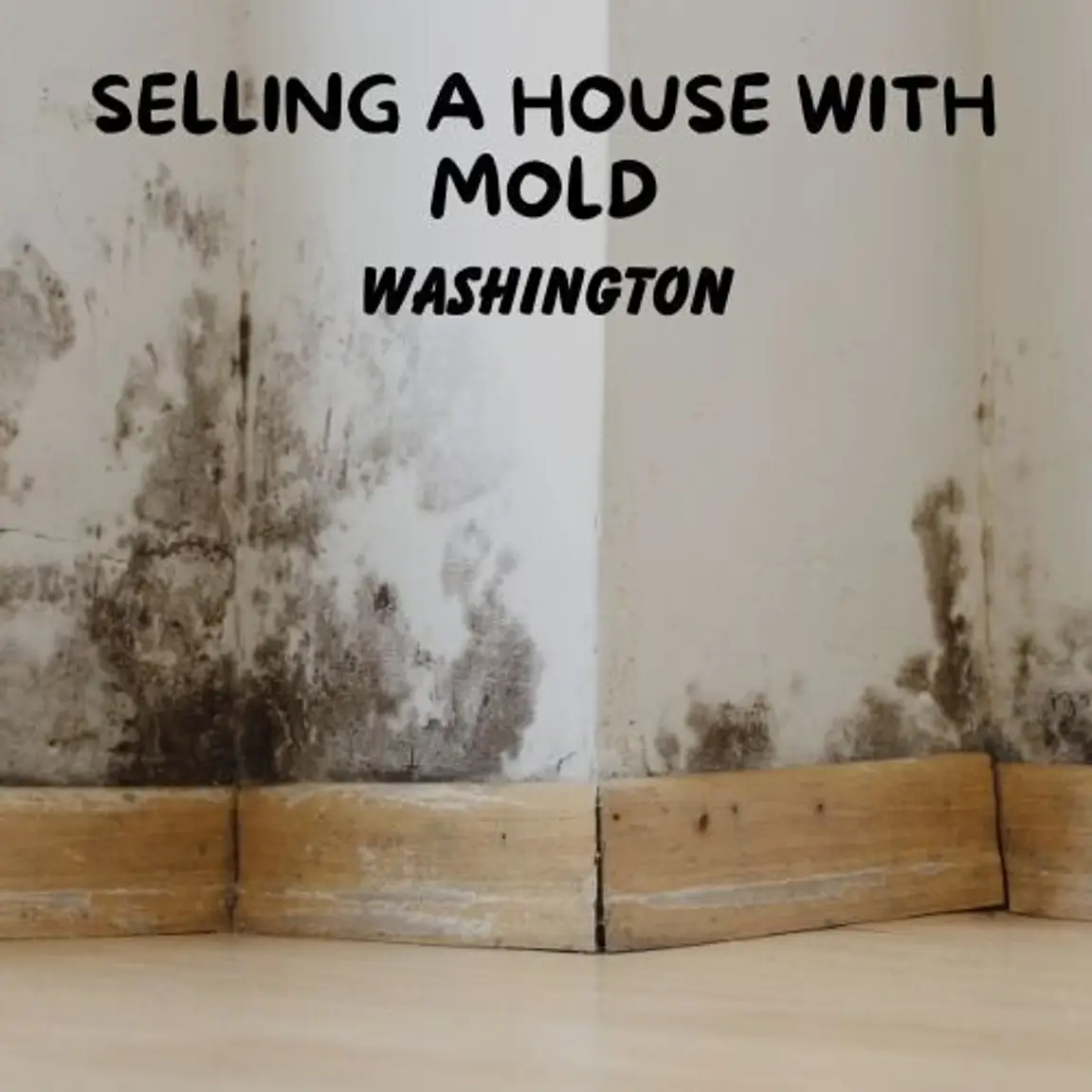
Visible discoloration on walls, ceilings, or around window frames is the next indicator. Black, green, or gray spotting on drywall or wood framing should get your attention immediately. Attic insulation is a common hiding spot, too; poor ventilation combined with roof condensation creates ideal conditions for mold growth that homeowners never see until a home inspector pulls a hatch open (and that’s often the first anyone knows).
Water stains are a strong predictor, even when active mold isn’t yet visible. Old stains on bathroom ceilings, rings around recessed lights, or discoloration along the base of exterior walls all point to moisture intrusion that may have already fed mold growth inside the wall cavity. If you’ve had any roof leaks, slow plumbing drips, or a water heater failure in the last few years, get that area looked at before listing.
A professional mold inspection can run between $300 and $700 for the assessment alone. Money well spent before you list. An inspector who finds something you already documented and disclosed won’t kill your deal; an inspector who finds something you didn’t know about and didn’t disclose might.
Can You Sell a House with Mold in Washington?
Mortgage lenders are the complication most articles skip entirely. Conventional financing, FHA loans, and VA loans often prevent buyers from closing on a property with active mold. Their lenders won’t approve the loan until a licensed remediation contractor clears the issue, and that condition lands back on the seller’s plate, whether you planned for it or not. Cash buyers and direct buyers don’t carry that requirement, which is one practical reason why an as-is sale often moves faster when mold is in the picture.
Buyers who finance also go through appraisers who flag obvious mold conditions, which can stall or kill a loan independently of the inspection. A VA appraiser in particular will require remediation before the loan closes, full stop. Sellers who’ve agreed to a traditional sale with a financed buyer sometimes find themselves stuck paying for cleanup they’d hoped to avoid, or losing the sale altogether when the buyer’s mortgage lender refuses.
Selling to a direct cash buyer sidesteps all of that. At Serious Cash Offer, we’ve bought homes in Washington State with mold in the crawl space, the attic, and everywhere in between. No lender approval required. No appraiser conditions. The offer accounts for the condition, and we handle the remediation after closing. That’s not the only way to sell, but it’s the most predictable path when mold is involved.
What does mold actually do to your sale price in negotiations with traditional buyers? A confirmed mold problem typically prompts buyers to request either a price reduction or a remediation credit. Those requests are almost always higher than the actual repair cost because buyers are scared, and their agents pad the number (sometimes by a factor of two). Getting your own estimate upfront gives you a counter-argument grounded in real data.
What Are the Mold Disclosure Laws in Washington?
Sit down for a second, because this is the part that trips up sellers who try to handle it on their own. Washington still uses caveat emptor, the old buyer-beware rule, as its starting point, and courts here expect buyers to investigate a property for themselves. What state law adds on top of that is a hard disclosure duty. Under RCW 64.06, a seller has to write down the material defects they already know about, so staying silent about mold you are aware of is not a legal gray area.
Washington law requires residential home sellers to disclose certain details about a property they’re trying to sell. The Washington State Seller Disclosure Statement, commonly called Form 17, explicitly asks sellers about the presence of mold or water intrusion. This is not a suggestion or a courtesy. It’s a mandatory form that travels with every residential real estate transaction covered by the law.
Once you and the buyer have signed a written purchase agreement, you must deliver your completed disclosures within five business days. The buyer then has three business days to either accept the disclosure or rescind the purchase agreement.
Washington doesn’t have a standalone mold statute the way some states do, but the Seller Disclosure Statement requires sellers to disclose known defects, including water damage, moisture problems, mold, and environmental hazards. A real estate attorney can walk you through the form before you sign anything; that consultation is cheap insurance compared to what a lawsuit costs.
What Must Sellers Disclose About Mold in Washington?
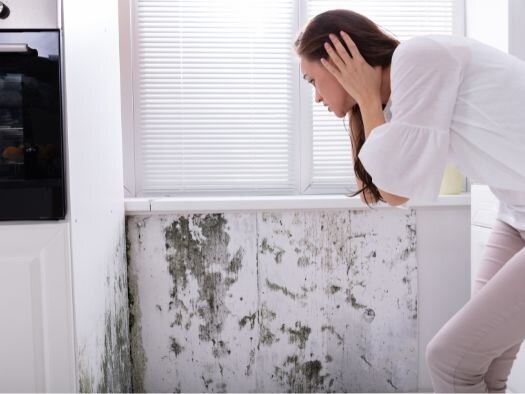
Does the state really expect you to disclose mold you didn’t even know was there?
No. Washington’s disclosure form requests only information about “material” facts or defects that are known to the seller. You’re not legally required to find every problem. But you are required to disclose everything you do know. Disclosure includes past leaks, previous remediation work, water damage history, and any mold you’ve seen or had tested.
You must disclose past or present water leaks, mold, or flooding, including any damage to the basement or crawl spaces. A lot of sellers don’t realize this applies to problems they already fixed. Mold you cleaned up three years ago and never thought about again? If you know it happened, it goes on the form. Buyers deserve to know, and they’ll find out during a thorough home inspection anyway.
A real estate agent or realtor will typically walk you through Form 17, but the legal obligation sits with you as the seller, not with your agent. Your agent doesn’t know about the moldy wall you patched in 2021; only you do. Complete the form thoroughly and honestly, because your signature is what makes it a legal document.
One thing I consistently remind sellers: disclosing mold doesn’t necessarily kill your sale. A disclosed and documented mold issue with a remediation report attached reads very differently than a surprise mold discovery during inspection, keeping buyers at the table instead of walking. Transparency tends to save sales rather than end them.
What Happens If You Fail to Disclose Mold When Selling in Washington?
A seller who hides a known mold problem doesn’t just risk losing the sale. They risk losing in court.
Roughly 77% of real estate lawsuits are connected to disclosure issues. The legal risk of concealment far exceeds whatever short-term advantage you think you’re gaining by staying quiet. Buyers who discover mold after closing almost always feel deceived, and that emotional reaction turns into legal action faster than sellers expect (attorneys take these cases quickly).
If a seller fails to provide a proper Seller’s Disclosure or provides inaccurate information, they can be held legally accountable. The buyer can sue for repair costs, which in severe mold cases can reach well into five figures. Buyers in Washington State have the right to request the disclosure, and if issues are discovered after the sale, it could result in costly legal actions, including contract rescission or damage claims. Contract rescission means the sale gets fully unwound, with you returning the purchase price plus potentially paying the buyer’s legal fees and remediation costs.
The risk compounds when you consider that mold is hard to hide from a thorough home inspector. Covering it with fresh paint or replacing a single section of drywall rarely fools anyone. Inspectors in this state are good at their jobs, and buyers increasingly hire specialists for additional mold testing beyond the standard home inspection (industrial hygienists run full air sampling). Getting caught concealing a known defect is far worse than the original disclosure would have been.
How Much Does Mold Remediation Cost in Washington?
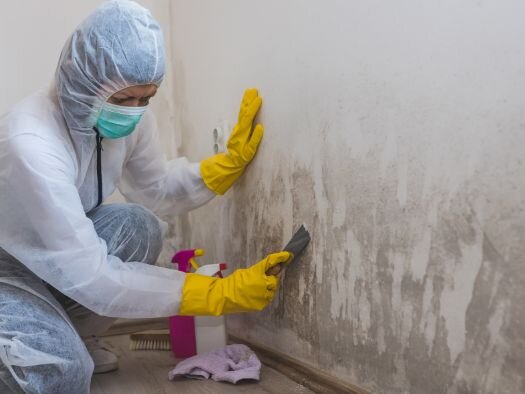
Some sellers push back here: “I’ve gotten quotes, and they’re outrageous. There’s no way I can afford to remediate before I sell.”
That’s understandable, and it might mean remediation before listing isn’t the right move for you. But understanding the actual cost range gives you real leverage in negotiations and helps you avoid overpaying if you do choose to remediate.
Mold remediation in Washington averages around $2,600, with most jobs landing between $1,500 and $4,250. Western Washington’s rainy climate keeps conditions persistently damp, and Seattle-area labor costs push prices above the national average; eastern Washington, including Spokane, WA, generally trends lower (sometimes noticeably so).
Attic mold falls in its own cost range, as it is extremely common in older Puget Sound homes with inadequate roof ventilation. Removing mold from an attic costs $1,500 to $6,000 on average. How bad the contamination has spread is what actually drives that number. A localized spot near a bathroom exhaust fan that vents into the attic costs far less than a whole-attic contamination from a slow-leaking roof.
HVAC mold is an expensive scenario. Mold in an HVAC system requires specialized cleaning and can run $3,000 to $10,000 per system. If your system has been spreading spores through ductwork (sometimes for years before anyone notices), that’s a different conversation than surface mold in a bathroom.
Get at least three quotes from licensed contractors before making any decision. Prices vary widely, and the first quote is rarely the best one. A mold inspection report from a separate, independent inspector gives you an unbiased scope of work before you commit to any contractor, keeping you from relying solely on the remediation company to tell you how bad the problem is.
If the numbers don’t pencil out, selling as-is to a direct buyer is a legitimate financial decision. Serious Cash Offer works with sellers across Washington State who are in exactly this position; we’ll make you an offer that reflects the property’s current condition without requiring you to spend money on remediation first.
Is Mold Remediation Worth It Before Selling Your Washington Home?
For a long time, my default advice was to remediate before listing whenever the budget allowed. I was wrong about that being a universal truth.
The math only works if your post-remediation sale price increase exceeds the remediation cost by a meaningful margin after you factor in agent commissions, carrying costs, and the time spent waiting for the work to finish. In slower markets or for homes with multiple competing issues, that margin rarely materializes. Buyers in Spokane or Yakima won’t pay the same premium for a clean mold report that buyers in Bellevue might.
When remediation does make sense: the mold is localized, the cost is under $3,000, and your home is otherwise in strong condition for its market. A clean bill of health from a certified inspector, combined with thorough documentation, can meaningfully expand your buyer pool and reduce negotiating concessions. Financed buyers re-enter the picture, and sellers who’ve done the work recover more than the remediation cost in fewer price reductions (especially on mid-range listings).
When it doesn’t: the contamination is widespread, structural repairs are needed alongside the mold removal, or you need to sell quickly. In those situations, the combined cost and time investment usually isn’t worth it.
Henry Crawford called me on a Wednesday afternoon from Kennewick. He was splitting assets through a divorce and just wanted the sale done, no drama. The crawl space under the back bedroom had a visible mold problem from a slow pipe leak that the plumber had already fixed. He didn’t want to manage contractors, wait months, or negotiate repair credits with strangers. We bought it as-is, and he had a wire in his account before the month ended. That’s not the right answer for everyone, but for Henry, the certainty was worth more than a higher sale price six months from now (divorce timelines don’t wait on listings). Reach out to Serious Cash Offer if that kind of clarity sounds like what you need.
Frequently Asked Questions
What Is the Mold Law in Washington State?
Washington State doesn’t have a single standalone mold statute, but mold is covered under two frameworks. The Seller Disclosure Statement puts mold on the list of known problems a seller has to write down, alongside past leaks, moisture damage, and other environmental hazards, so buyers get a pre-purchase record of the property’s moisture history. For rental properties, Washington enacted Senate Bill 5049 in 2005, which added mold disclosure requirements to the Residential Landlord-Tenant Act, requiring landlords to notify tenants about health hazards associated with indoor mold exposure.
How Hard Is It to Sell a House with Mold?
It depends almost entirely on how you’re trying to sell and how bad the mold is. A traditional listing with financed buyers gets complicated fast, because lenders often won’t approve a loan on a property with active mold. Selling to a cash buyer in Tacoma, WA or a direct investor is usually straightforward, since there’s no lender approval involved. Disclosing the mold honestly and getting a remediation estimate upfront gives you the most control over the outcome, regardless of which path you choose.
Does a Realtor Have to Disclose If a House Has Mold?
Real estate agents can guide sellers in understanding what needs to be disclosed, but the legal disclosure obligation sits primarily with you as the seller, not your agent. Your realtor can only disclose what you’ve told them. If you know about mold and don’t tell your agent, the liability lands on you regardless of what your agent puts on the form. Be straight with your agent from the start.
What If I Just Bought a House and It Has Mold?
Buyers in Washington who discover mold after closing should review the purchase agreement and inspection contingencies carefully. If the seller knew about mold issues but failed to disclose them, buyers may have legal remedies, including claims for breach of contract or fraud. Document everything immediately with photos, professional reports, and written communication. A real estate attorney can assess whether the seller’s disclosure was adequate and advise you on the strength of any legal claims before you spend money on remediation.
If you’re sitting in a Washington home with a mold problem and aren’t sure which direction makes the most sense for your situation, reach out. We’ve helped sellers across the state, from the west side to Spokane, WA, and everywhere between. No pressure, no obligation, just a straight conversation about your options.
Helpful Washington Blog Articles
- Cheapest Places To Live in Washington
- How Much Does it Cost to Stage a House in Washington
- FSBO Costs in Washington
- Can I Sell My House and Still Live in It
- How Will Medicaid Know if I Sell My House
- Difference Between Title and Deed
- Selling a House With Mold in Washington
- Can You Sell a House With Termites in Washington?
- How Long Does a Real Estate Contract Last in Washington?
- How Long Can You Go Without Paying Your Property Taxes in Washington
- Washington Earnest Money Rules Every Home Buyer Should Know
- Eviction Process in Washington