![companies that buy houses [market_city]](https://image-cdn.carrot.com/eyJidWNrZXQiOiJwcm9kdWN0aW9uLmNhcnJvdC11cGxvYWRzLm9uY2Fycm90LmNvbSIsImtleSI6InVwbG9hZHMvc2l0ZXMvNTgzOTIvMjAyNS8wNS9Db21wYW55LVRoYXQtQnV5cy1Ib3VzZXMud2VicCIsImVkaXRzIjp7InJlc2l6ZSI6eyJ3aWR0aCI6MTE1Mn0sInRvRm9ybWF0Ijoid2VicCIsIndlYnAiOnsicXVhbGl0eSI6NzB9fX0=)

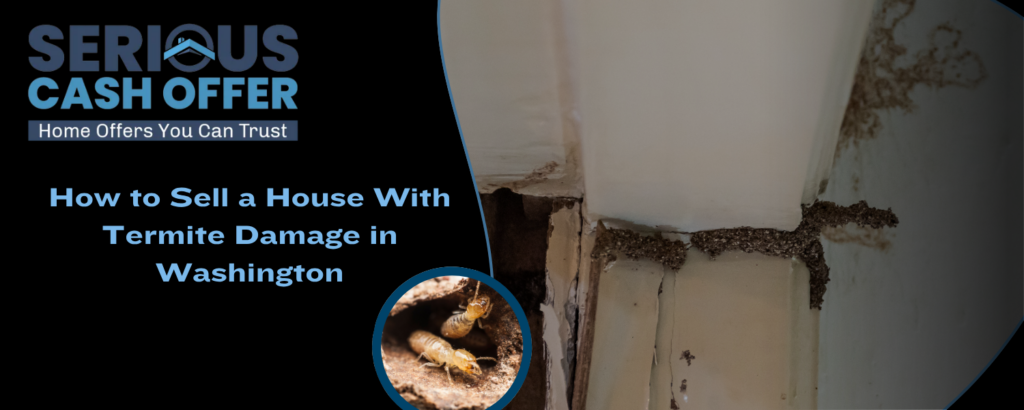
A family in Lynnwood sat across from me at their kitchen table last spring with a stack of pest inspection reports and no idea what to do next. They’d found the infestation during a routine maintenance check, right when they’d planned to list. Their first thought was that the sale was dead. It wasn’t. But getting from that moment of panic to a closed sale took a plan.
Here’s the short version: yes, you can sell a house with termites in Washington. The longer version is what matters.
Washington Sellers and Termites: What’s Actually at Stake
Getting this part wrong costs money. Real money. Sellers who skip proper disclosure or try to quietly list without addressing an active infestation end up in one of two bad spots: they either blow up a deal mid-escrow when the home inspection turns everything up, or they close and face a lawsuit months later.
Around 77% of real estate lawsuits are linked to disclosure issues. This number should settle the debate about whether transparency is worth the discomfort.
I’ve bought properties in all conditions across this state. The sellers who came out ahead were always the ones who faced the problem early and made a clear decision, whether that was treating and repairing, selling as-is, or taking a cash offer and moving on. Waiting too long is what sinks sales.
The Delgado family called me last summer about a home in Puyallup they’d inherited from their father. Thirty years of belongings filled every room, four siblings wanted a clean exit, and there were mud tubes running up the crawl space sill plate in the garage. They didn’t know what the treatment would cost, couldn’t coordinate repairs across family members, and the mortgage clock was ticking. We closed in less than three weeks without anyone needing to coordinate a single contractor. A path exists for homeowners in this state; you just have to know it’s there.
Can You Sell a House with Termites in Washington?
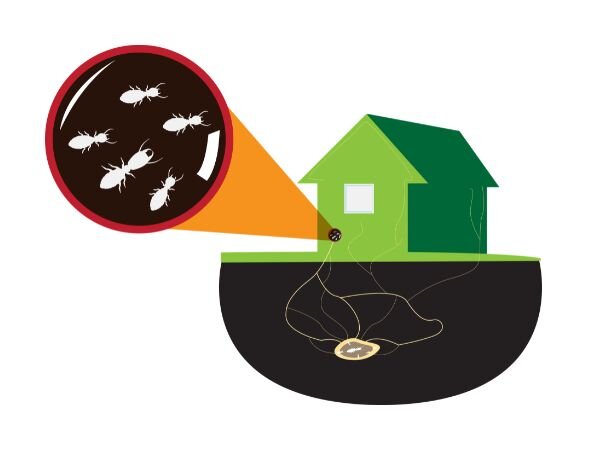
Some sellers worry that disclosing an active termite infestation will kill every offer before it starts. This is an understandable fear, and it’s also wrong in most cases.
A home with a history of termites isn’t automatically unsellable. The difference between a deal that survives and one that collapses usually comes down to documentation, not the infestation itself (inspectors want a paper trail).
Undisclosed termite damage is what kills sales. A buyer who finds mud tubes during their home inspection, when the seller said nothing on the disclosure form, will almost always walk. A buyer who knew about a treated infestation, has a copy of the pest control warranty, and can see repaired framing in the crawl space? This buyer is much easier to keep at the table.
Buyers using FHA or VA loans face stricter requirements. Federal law may apply if government-backed loans, such as FHA or VA, are involved; these programs require proof that the home is free from active termites and that damaged wood has been repaired before closing. So if you’re targeting that pool of buyers and there’s an active infestation, you’ll need to treat and repair before those sales can close. Cash buyers, on the other hand, don’t carry that lending constraint.
The market in Washington gives you options. Knowing which path fits your timeline and your finances is the actual work.
Do You Have to Disclose Termite Damage When Selling a House in Washington?
Sellers often believe they only need to report what a buyer can see during a walk-through. Washington law draws a harder line than that.
Washington law requires sellers to disclose both past and present issues that could materially affect the property. Treated termite damage still needs to be disclosed if it occurred in your home. The form that governs this is called Form 17, and pest infestations have their own dedicated section. Washington State uses this Form 17 Seller Disclosure Statement to capture termite history (treatment records belong here, too).
The seller’s disclosure must be given to the buyer no later than five business days after the purchase and sale agreement is accepted. After receiving it, buyers typically have three business days to review Form 17 disclosures.
Hiding a known infestation isn’t just a bad strategy. It’s a legal liability. If a seller fails to provide a proper disclosure or provides inaccurate information, they can be held legally accountable. Washington State law requires that the disclosure be truthful, and if a seller knowingly hides information, they may face legal consequences.
One thing most sellers don’t realize: you can’t plead ignorance about damage you clearly could have known about. Even if the sale has closed, Washington courts often side with buyers if the defect was material and intentionally concealed. If you’re uncertain what your legal exposure looks like, talking to a real estate attorney or a lawyer familiar with Washington property law before you list is time well spent. NOLO’s Washington disclosure guide is a solid starting point.
How Termite Damage Affects Your Ability to Sell a House in Washington
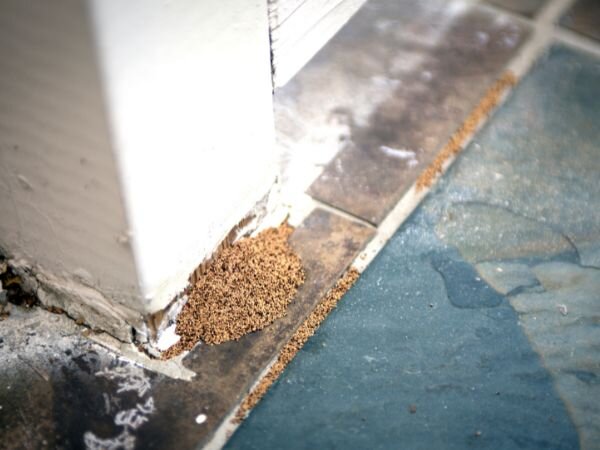
Most buyers focus on kitchens and roofs. What catches them off guard is how much structural framing damage can hide inside walls, under floors, and inside crawl spaces, completely invisible during a casual showing.
In Washington, the dominant termite species is the Pacific dampwood termite, with western subterranean termites also present, primarily in drier inland areas. Subterranean termites build mud tubes from the soil up through the foundation, while dampwood termites nest directly inside moist wood, which makes infestations in places like Tacoma, Everett, and Monroe especially hard to spot early. Snohomish County communities such as Lynnwood, Everett, and Monroe have large forested areas, making wood-frame homes (older craftsman styles included) particularly vulnerable.
Termites erode supporting structures like floor joists, beams, and wall studs without obvious signs initially. Because termite damage often remains hidden inside walls or foundations, infestations can progress for years unnoticed.
On the price side, the numbers are not gentle. Homes with a history of termite damage typically sell for 20 to 25 percent below similar properties in the same area. On a $600,000 home in Tacoma or Puyallup, that gap is not a rounding error.
Financing creates another layer of difficulty. Sellers need to understand how termite history can affect both property value and marketability, as buyers are increasingly cautious and lenders are more meticulous. A buyer’s lender who orders a Wood-Destroying Organism (WDO) report and finds active termites can pull financing altogether, which means you’re restarting the sale process from zero.
Is It Hard to Sell a House That Has Had Termites in Washington?
The 20 to 25 percent price gap tells only part of the story. Buyers who can see evidence of properly treated, documented, and repaired damage often feel better about a property than buyers who find vague patches and no records at all (and I’ve watched offers come in stronger because of it).
Difficulty in selling tends to scale with two things: how bad the structural damage is, and how well-documented the repair history is. A house where the sill plates in the crawl space were chewed through, and the seller replaced everything, got a pest clearance letter, and has a transferable warranty? That’s a manageable sale. A house where the seller treated the termites but left visibly damaged joists and has no paperwork? This is where buyers and their real estate agents start getting skittish.
Homes with a history of termites can be tougher to sell, as they carry the stigma of potential hidden damage and future financial burden, discouraging prospective buyers. The stigma fades when there’s clear documentation. It gets worse when there isn’t.
Are you wondering how your specific situation compares to what most buyers in the Puget Sound area tolerate? The honest answer is: it depends on your neighborhood’s price point. In a competitive market like South Seattle or Federal Way, where buyers are already stretching their budgets, anything that creates uncertainty tends to land harder. In higher-price markets around Sammamish or Bellevue, buyers have more room in their budgets to absorb repair costs (termite damage included), and many do.
What to Do About a Termite Infestation Before You Sell
One seller I worked with had known about a slow dampwood termite problem in her attic framing for two years before deciding to sell. She’d been meaning to fix it, then didn’t, then figured she’d deal with it when it became a problem. By the time she listed, the damage had spread to three rafters, and the estimate from contractors jumped well past what a simple early treatment would have cost (attic framing being the worst place to let it sit).
Get ahead of it. An active infestation left in place through a traditional listing will surface during any competent home inspection, and by then, you’re in reactive mode, negotiating under pressure with a buyer who knows you’re stuck.
The Washington State Department of Agriculture classifies termites under its structural pest management regulatory framework. Licensed pest control operators working on Wood-Destroying Organism inspections must hold a structural pest inspector endorsement under the Washington Administrative Code. Whoever you hire to inspect and treat should be properly licensed, not just a general handyman with a can of spray, which is a shortcut I’ve seen backfire badly.
Dampwood termite control centers on moisture elimination rather than chemical treatment. If you’re in a high-moisture area like Gig Harbor or the wetter parts of Pierce County, fixing the drainage or ventilation issue in your crawl space is as important as the pesticide treatment itself. One without the other just invites re-infestation.
Get a written report from a licensed pest inspector before you list. The document becomes a sales tool. It shows buyers exactly what was found, what was treated, and what the property looks like now.
How to Prepare Your House for a Termite Inspection in Washington
What do you actually do before the inspector shows up?
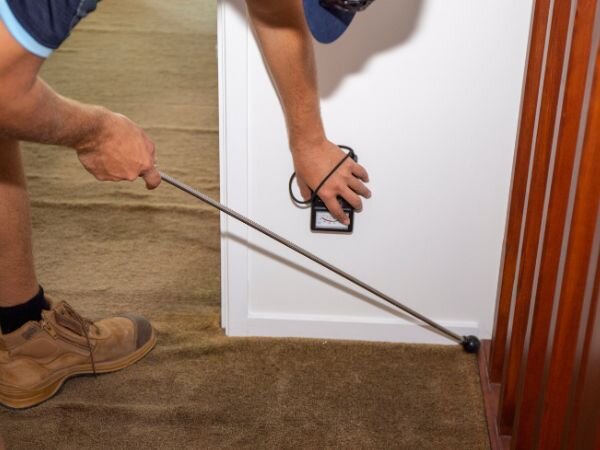
Make sure the crawl space is accessible before anything else. Inspectors checking for mud tubes, frass, and moisture damage in crawl spaces need to get in there, and a blocked access hatch or a crawl space packed with stored items is a problem. Dampwood termites are distinguishable from subterranean termites by the absence of mud tubes and their preference for wood-to-ground contact or persistently wet wood sources; crawl spaces, leaking roof structures, and poorly ventilated wall cavities are common harborage zones.
Move stored wood away from the foundation perimeter. Firewood stacked against the house, old lumber sitting in the yard, wooden planters flush with the siding: all of these give inspectors pause and give termites a pathway. Fixing them before the inspection isn’t hiding anything; it’s responsible maintenance.
In Pierce County cities like Puyallup and Tacoma, high groundwater levels and clay-heavy soils also contribute to termite risk. If your property is in a low-lying area, check that your vapor barrier in the crawl space is intact (a torn one invites trouble fast). Moisture in the soil near the foundation is one of the main drivers of infestation in western Washington, and inspectors will note that as a “condition conducive” to termites, even if there’s no active colony.
Document any prior treatments yourself before the inspector arrives. Pull out any old pest control contracts, warranties, or receipts. Having those in a folder when the inspector comes in shows that you’ve been managing the property actively, which matters to buyers later.
The Washington State Department of Agriculture licenses structural pest inspectors, and is where you can verify an inspector’s credentials.
Termite Remediation Options and Warranties That Buyers Want to See
A seller treated an active subterranean infestation in her Olympia craftsman with a liquid soil barrier around the foundation on a Wednesday; the following Monday, she had a transferable warranty in hand and a clean WDO report ready to share. That paperwork alone moved her from a stalled negotiation to a signed offer within the week.
When they see a termite history, buyers care about two things: what was done about it, and whether it will come back. A warranty from a licensed pest control company that transfers to the new owner answers both questions in one document.
Remediation options in Washington fall into liquid soil treatments, bait systems, and, for dampwood termites specifically, moisture control measures. Bait systems like Sentricon are common and popular with buyers because they involve ongoing monitoring, which signals to buyers that someone will be watching. A one-time liquid treatment with no follow-up gives buyers less confidence, even when the work itself was done correctly.
Many pest control companies in Washington offer ongoing termite protection plans, which can be transferred to the new owner. Ask your pest control company specifically about transferability before you choose a treatment method, because a non-transferable warranty is essentially worthless to a buyer evaluating your home. A warranty that can’t transfer has less value in a sale than one that can.
Structural repairs need documentation, too. Any repaired framing, replaced sill plates, or restored floor joists should come with contractor invoices and, where required, permits. Buyers and their home inspectors will ask. Having those records closes the loop.
Termite Treatment Costs Vs. Seller Concessions: Which Makes More Sense?
If you’re sitting across the table from me, talking through your options, here’s the actual question I’d ask: What’s more expensive, spending the money now or giving it away in concessions later?
A homeowner who discovers termite damage will spend an average of $3,000 to repair the damage. That’s the national average, and it doesn’t account for severe structural cases, but it gives you a baseline. For most spot treatments and minor wood repairs in Tacoma, Renton, or Burien, you’re probably in the $1,500 to $5,000 range (crawl space access drives that number). Heavy structural work, where framing members need replacement, can push well past $10,000.
Seller concessions, on the other hand, tend to grow in negotiations. A buyer who gets the inspection report and sees termite damage will typically ask for more than the actual repair cost, because they’re pricing in uncertainty about what else might be hiding. Giving an inflated credit on a house where the actual repair is $4,000 happens constantly, because sellers are already exhausted by the negotiation and just want to close (and I’ve watched that exhaustion cost sellers thousands).
Treating before you list, if the damage is modest and the timeline allows, usually comes out ahead. The math changes when the repair cost is high, or your timeline is short. That’s when selling to a cash buyer who prices in the repairs becomes the cleaner path.
Consult real estate agents who know your specific submarket before committing. A good agent in Auburn prices concessions differently from one in Bellevue. Get that local read. And if the numbers don’t work either way, Serious Cash Offer will look at the property as-is and give you a number without requiring you to spend a dollar first.
How to Market a Home with a Termite History to Buyers in Washington
For years, I thought the best approach was to lead with “professionally treated and repaired” in every listing description. What I learned is that most buyers skip over those phrases because they’ve been burned by vague reassurances before.
What actually moves the needle is specificity. Buyers want dates, company names, warranty transfer language, and repair documentation. “Subterranean termite treatment performed by ABC Pest Control in March 2024, transferable one-year warranty, framing inspected and cleared by home inspector” lands differently than “termite issues have been addressed.”
A history of diligent pest management shows buyers that the property is well-maintained, increasing its appeal and marketability. Frame the remediation as maintenance, not damage control. Most older wood-frame homes in the Pacific Northwest have had some pest history. Buyers who’ve been shopping in Olympia, Tacoma, or Everett for more than a few months know that.
Price the home accurately from the start. Sellers who overprice a property with a termite history, then negotiate down piece by piece, end up worse off than sellers who price it right and field strong initial offers. Overpricing with a known defect invites inspection-based renegotiation, which puts the control in the buyer’s hands.
For properties with more serious damage histories, marketing to investors and buyers who specifically look for fixer opportunities is a real strategy. Sites like Zillow and Realtor.com both allow sellers to note “as-is” conditions in listings, which filters toward buyers who aren’t expecting perfection.
How to Sell a House with Termite Damage As-is to a Cash Buyer in Washington
All-cash buyers accounted for 31.4 percent of U.S. home sales through the first four months of 2026, and in distressed-property situations, that share runs much higher.
Selling as-is to a cash buyer skips the repair cycle, the lender’s WDO requirements, and the drawn-out negotiation over concessions. You disclose everything on Form 17 because you still have to, but the buyer prices the damage into their offer upfront rather than discovering it mid-escrow and renegotiating.
Henry Henderson was three months behind on his mortgage in Bellevue when I first spoke with him, with an auction date already scheduled. His Craftsman had an old subterranean infestation in the basement that had been partially treated years back, and the crawl space still had visible mud tubes along the east wall. Friday morning, he reached out, and by the following week, we had a signed purchase agreement. He didn’t repair a single floor joist, didn’t pay for a pest control treatment, and walked away with enough to clear the mortgage and avoid the foreclosure mark on his credit. The garage still had his late father’s tools stacked along the walls; we handled all of that.
Cash buyers, including local investors and companies like Serious Cash Offer make their profit on the back end through renovation, not by squeezing sellers on price upfront. A reasonable cash offer on a home with termite damage in Tacoma or Renton reflects the cost of treatment, repair, and resale, minus a fair margin. It won’t be full retail. But it also won’t come with inspection contingencies, lender requirements, or the risk of a buyer walking away when the WDO report comes in.
Have your paperwork ready: any prior pest control contracts, repair invoices, and the current inspection report, if you have one. That transparency speeds up the offer process and usually results in a better number.
For homeowners weighing this path, Serious Cash Offer works directly with sellers across Washington who want a fair number without the repair run-around. That includes homeowners looking for cash home buyers in Puyallup, and anyone who needs to sell a house fast in Renton without paying for a pest clearance first.
Frequently Asked Questions
Is Selling a Termite-Damaged House Harder Than a Normal Sale?
It can be, but it doesn’t have to be a deal-breaker. Buyers in Washington’s competitive markets regularly purchase homes with documented termite histories when the repairs and treatments are properly documented. The difficulty usually comes from incomplete paperwork, not the infestation itself. A clean WDO report and a transferable warranty go a long way.
Are Termites a Deal Breaker When Buying a House?
For many conventional buyers, especially those using FHA or VA financing, active termites can stop a sale cold because lenders require a clear report before closing. For cash buyers and investors, termites rarely end negotiations outright; they just adjust the offer price. Disclosure and documentation are the things that keep sales alive.
Do Termites Decrease Home Value?
Yes, and the drop can be steep. Homes with an unaddressed or undocumented termite history tend to appraise lower and attract lower offers. How much value you lose depends on the severity of structural damage and how well you’ve documented the treatment and repair. A professionally remediated property with records in hand loses far less than one where the seller just treated and said nothing more.
What Should You Not Fix Before Selling a House?
Cosmetic issues like dated paint colors, minor carpet wear, and aging fixtures are rarely worth the investment before a sale, since buyers usually repaint and update anyway. Deep renovations like full kitchen remodels almost never return their full cost on resale. Termite treatment is one of the few repairs worth doing before you list, specifically because lenders and buyers will require it anyway, and doing it on your own timeline is almost always cheaper than doing it under contract pressure.
If you’ve got a property with a termite situation in Washington and you’re not sure which direction makes the most sense, reach out to Serious Cash Offer. No obligation, no pressure, just a straight conversation about your options. We’ve seen this situation plenty of times, and there’s usually a workable path forward.
Helpful Washington Blog Articles
- Cheapest Places To Live in Washington
- How Much Does it Cost to Stage a House in Washington
- FSBO Costs in Washington
- Can I Sell My House and Still Live in It
- How Will Medicaid Know if I Sell My House
- Difference Between Title and Deed
- Selling a House With Mold in Washington
- Can You Sell a House With Termites in Washington?
- How Long Does a Real Estate Contract Last in Washington?
- How Long Can You Go Without Paying Your Property Taxes in Washington
- Washington Earnest Money Rules Every Home Buyer Should Know
- Eviction Process in Washington