There are challenges involved in selling a home in Washington that has water issues. However, by employing advanced techniques, potential challenges can be turned into opportunities. Problems with your home should not prevent you from selling it; rather, with some calculated problem-solving, you can identify the right targeted buyers. Selling a home with damage issues attracts different buyers, and knowing market behavior and damage analysis are the two most vital fundamentals to start with. This guide outlines the process of selling a home with damage. Find out how to overcome challenges when selling your home and continue selling.
Key Highlights
- Water damage can significantly reduce a home’s value, affecting buyer interest and requiring disclosure.
- Common sources of water damage in Washington include plumbing issues, poor drainage, and seasonal flooding.
- Conduct thorough home inspections to identify water damage and plan necessary repairs for potential buyers.
- Highlight recent repairs and unique features to enhance property appeal despite water damage history.
- Utilizing cash offers can expedite sales of water-damaged homes by avoiding traditional selling hurdles.
Understanding the Impact of Water Damage on Your Home Sale
The process of selling a home with water damage can be difficult, and Washington State is no exception. Given the persistent rain and humidity, water damage is commonplace. Home sellers have to understand the impact water damage has on a home’s structural safety and the home’s worth. By understanding the impact of water damage, sellers can focus on home preparation and adjust their expectations when negotiating with potential buyers. Buyers tend to appreciate sellers who have addressed the water damage issues.
The following sections will focus on the types of water damage issues (flooding, leaks, and humidity that leads to mold) that are prominent in homes. We will also look at the effects of the issues on the home’s value and on interested buyers, potential investors, and cash buyers who tend to buy homes in whatever condition and market, “as is,” to profit from any issues. This writing targets cash buyers, and understanding the water-damage issues in homes will help sellers control repairs and disclose them to buyers.
Serious Cash Offer offers fast, hassle-free cash purchases for homes with water damage, allowing sellers in Washington to sell ‘as-is’ without costly repairs or lengthy negotiations.
Common Causes of Water Damage in Homes
Water damage in homes can come from many sources, each presenting unique challenges for homeowners and sellers. In Washington State, heavy rainfall and proximity to water bodies increase these risks. Common causes include faulty plumbing that leads to hidden leaks, poor drainage around the foundation, and roof leaks from damaged or aging shingles. All of these can result in interior damage and mold growth if not addressed promptly.
Floodplain and coastal properties are subject to additional risks to structural and electrical systems during seasonal floods and storm surges. Further, moisture is trapped in closed crawl spaces and basements, leading to water damage and, in turn, mold and mildew growth. Aside from the noted damage, water intrusion and rot affect a home’s marketability because buyers are afraid of hidden issues.
Water problems, such as leaks, poor drainage, and inadequate, closed crawl space ventilation, lead to a poorly conditioned home, turn buyers away from purchasing the home, and damage the seller’s reputation. Depending on the reason(s) for water intrusion, sellers can use them as a selling point to address or simplify the issues and reduce the problems associated with selling a home.
Below are practical steps you can take to mitigate water damage in your property effectively:
- Install a sump pump to manage excess water in your basement.
- Regularly inspect and clean your gutters to prevent water overflow.
- Utilize waterproof sealants on your foundation and exterior walls.
- Ensure proper grading around your home to redirect water flow.
- Replace aging shingles to prevent roof leaks.
- Integrate moisture barriers in crawl spaces to curb humidity.
- Enhance ventilation in susceptible areas to reduce moisture buildup.
Taking these steps can safeguard your home, enhance its value, and ensure a seamless selling experience.
Effects of Water Damage on House Value
In Washington, prospective buyers are very aware of water risk. Therefore, homes that have sustained water damage tend to be undervalued because they may hide issues that could be repaired at great expense. Buyers tend to value properties less when they perceive water damage, because they may be required to undertake cost- and time-intensive repairs after purchase. This perception of water damage issues can also cause sellers to receive less attractive purchase offers.
There is no doubt that water exposure issues are related to the home’s structural integrity. Water damage can compromise the structural integrity of flooring, walls, and even the foundation, and may necessitate extensive repairs to the home. Because of the likelihood of these issues, buyers tend to negotiate prices, and homes that have suffered water damage often lose their curb appeal.
Water damage can cause home inspections to fail, which is a crucial step in every home sale. During inspections, issues like leaks, rotting wood, or moisture buildup (especially hidden moisture) are major red flags for buyers. Because of inspections, sellers can find themselves in tough positions where they have to lower their home’s value, offer repair credits, or include other incentives in order to achieve a successful sale.
Mold and mildew, common in water-damaged homes, create both health risks and aesthetic concerns. Even the suspicion of mold can deter buyers, thereby reducing the property’s perceived value. Combined with negative perceptions of flood-prone areas, these factors make it essential for sellers to address repairs, highlight any improvements, and emphasize positive features, or consider working with cash home buyers in Tacoma and other cities in Washington to secure a quick, hassle-free sale.
| Cause of Water Damage | Impact on House Value | Buyer Considerations | Mitigation Strategies |
|---|---|---|---|
| Faulty Plumbing | May be viewed as a costly issue requiring immediate attention | Repair or replace the roof and address the interior water damage promptly | Fix plumbing issues and ensure regular maintenance checks |
| Poor Drainage | Potential for foundation damage impacting overall value | Repair or replace the roof and address the interior water damage promptly | Improve drainage systems to prevent further water retention |
| Roof Leaks | Causes interior damage and mold, lowering market value | Concern over recurring issues or hidden damage | Might be perceived as a risk for future water-related problems |
| Basement Flooding | Can result in extensive structural and cosmetic damages | Hesitant to invest due to high potential repair costs | Install sump pumps and waterproof the basement |
This table highlights how understanding the causes and effects of water damage, alongside proactive mitigation strategies, can help sellers successfully navigate the market and enhance their property’s appeal despite past water issues.
Preparing Your House with Water Issues for Sale
Begin preparing the water-damaged house for sale by identifying areas that need improvement and those that should be kept to potential buyers’ tastes. One of the first steps is a home inspection, which will identify water damage and other areas that need repairs for the home to be marketable. Addressing visible water damage and any underlying issues, such as mold or structural damage, will increase the buyer’s confidence and reduce issues during the buying process.
Repairs and home presentation are the main focus areas. Repairs and essential presentations that will include decluttering the home, boosting curb appeal, and performing the necessary cosmetic renovations to help the home highlight the positive, not the negative. By the end of the presentation and repairs, the optimized home will align with accepted real estate and buyer standards and give it a competitive advantage over other homes in the market, even with prior water damage.
Steps for Conducting a Thorough Home Inspection
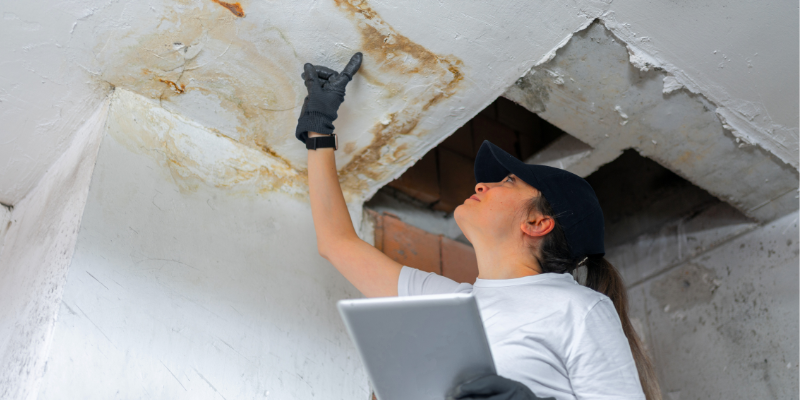
Getting a home inspection before selling a home with water damage is a great idea and will help you avoid possible legal ramifications. With that said, the inspection begins with hiring home inspectors who conduct water-damage inspections in Washington State. Inspectors will examine the home’s foundation for evidence of prior flooding or standing water. Inspectors will also look for plumbing leaks, as damaged pipe systems can cause water damage.
In addition, inspectors will check doors and windows to ensure they are properly sealed, which will help reduce water damage. Because of the heavy rainfall typical of Washington State, roof inspections are especially important to detect hidden leaks, shingle damage, and even moss and algae. Attics, basements, and crawl spaces can also be important, as these areas are often afflicted with high levels of moisture that can lead to mold issues. Home inspections are important for helping sell homes with water damage, increasing their value, and improving their marketability.
Moreover, recording any problems found during the inspection can help the repair process and provide some transparency when negotiating with possible buyers. To sum up, the inspection document serves the purposes of evaluating the condition of the house, identifying potential water-related “red flags”, and developing a repair strategy to improve the home’s appeal to buyers.
Essential Repairs to Consider Before Selling
After the home inspection, immediate attention to critical repairs to address the history of water damage is important for the home’s value and overall appeal. Of particular importance is the leaking roof detected during inspection. Also, for immediate attention, improve the drainage system around the house to avoid water-related issues and mitigate potential buyers’ concerns about Washington’s rainy climate.
While it’s important to address aesthetics, potential mold, and water-damaged walls and ceilings, buyers do appreciate the absence of water stains and notice the effort put into the home. Since the home inspection provided clues to the buyers about the home’s condition, they appreciate the new piping and value the plumbing investment.
Also, consider refinishing or replacing sections of warped or damaged flooring to maintain the home’s visual and functional quality. The repairs financially justify a competitive price and will counter negative perceptions that will lower offers. This method helps facilitate a quicker sale and reduces the likelihood that buyers will negotiate over hidden water damage.
Get a fair cash offer for your home as-is, no repairs needed. Contact us today for a quick, hassle-free sale and close on your timeline.
Strategies for Selling a Flood-Damaged Home in Washington
In Washington, selling a flood-damaged home requires all possible consideration and planning to overcome anticipated obstacles. Sellers in Washington’s rainy climate must be especially concerned about buyers’ water-related worries. Although damage may be present, sellers must be transparent and take responsibility. Unfamiliarity with local disclosure requirements may result in legal issues, given that flood-related damage is a `non-issue’ in Washington’s winter rains. Evidence-based pricing that is consistent with the property and the local market disposition is critical to attracting serious buyers.
For sellers of flood-damaged homes, cash offers are very favorable as there are no delays in closing. With no financing delays, buyers will not have to wait for their bank to fund the purchase. Seller’s difficulties in overcoming the negative perception of water damage are reduced with thorough repair documentation, targeted, purposeful marketing, and the best inspector available. Careful planning and sound decisions will help sellers achieve the best outcomes in Washington and Seattle’s flooded real estate markets.
Disclosure Requirements for Water Damage
The legal practices for selling houses in Washington State require knowledge of what must be disclosed in the event of potential water damage. Sellers are required to create a thorough account of the house’s structural elements and whether there is, or ever was, any water damage. This process allows buyers to see the house’s true condition. If a seller does not disclose water damage, buyers, especially in water-damaged cities like Seattle, will become frustrated with the seller and will place a high value on lawsuits to protect their interests.
The Real Property Transfer Disclosure Statement is a government form that a seller must complete when selling a home. This form allows a seller to state whether there has been previous flooding, any repairs to flooding, and any leaks or mold that remain unrepaired and constitute an ongoing issue. This document should be completed in detail, as it is a means to protect a seller from a buyer claiming that a water issue in the home was neglected by the seller. If a problem is discovered after the sale, it may create legal issues that could be financially significant to the seller.
Engaging a home inspector provides evidence of issues with the foundation, drainage, and plumbing. Such transparency is appreciated in the marketplace, which simplifies negotiations and enhances the buyer’s trust in the process. It’s essential for home sellers to know and adhere to these disclosure obligations, as they protect sellers legally and allow them to close a transactions quickly and successfully, regardless of the home’s water-damaged history.
Pricing Your House to Attract Buyers
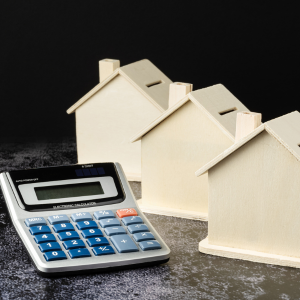
Crafting a competitive yet appropriate pricing strategy for a home in Washington with water damage can be difficult. The home’s damaged water history must be taken into account when pricing it to avoid overpricing. Pricing strategy must be coupled with an analysis of water-damaged home selling trends in the same geographic area. Pricing a home just under the level of repairs needed in that area will attract home buyers who are willing to do the repairs.
Providing a competitive price for the home can be justified if owners understand the improvements, additional repairs, and new installations that have been completed. Selling roof improvements, new draft systems, and other similar improvements are major positives that can increase a home’s value. This helps justify the price and gives buyers more confidence, thereby supporting price negotiations.
Another essential point to consider is buyer psychology. Most buyers will view a home with water damage negatively. They will think that homes will lead to high future expenses. Your pricing will need to consider the home’s attractiveness and realistic assessments of its current condition and potential. Providing repair records and remediation records for water issues will help the buyer perceive the property as manageable rather than unmanageable.
Consulting local appraisers familiar with Washington’s real estate market provides valuable insights into proper pricing. Well-priced homes are more likely to withstand scrutiny and move toward faster closings, particularly when appealing to investor house buyers in Washington. By setting a research-based price aligned with market expectations, sellers can overcome the stigma of water damage and achieve a successful sale.
Leveraging Cash Offers for Quick Sales
Using cash offers is an effective strategy to sell a house with water damage in Washington. Cash buyers who pay in cash like to purchase and close quickly. They avoid the problems that come with traditional sales, such as the need for an appraisal or a mortgage timeline. This is great for homeowners looking for quick sales and who do not want to spend the money on repairs. Furthermore, these cash buyers are often easier to work with on time frames, thus allowing sellers to time the sale as they wish.
Using buyers who are investors or companies that purchase homes as-is can greatly simplify the process. These buyers focus on the property’s potential, making negotiation easier with fewer to more contingencies. The offers these buyers present to sellers typically mean a more streamlined, less time-stressed transaction, with their property on the market for the least time possible. These buyers often also advise sellers on the best ways to present the home so that a quick sale is possible and they can reap the best return, even in as-is condition.
Marketing a home emphasizing quick-cash offers will likely attract the right prospective buyers. Showing the home as saleable immediately is particularly enticing to investors in Seattle and other quickly changing markets who look to buy and make repairs. Sellers should protect themselves by checking the legitimacy of the cash offers and the stipulations tied to the offer. In some cases, accepting a lower offer to stop the carrying costs is the right move. If sellers put in the work, cash offers are one of the better ways to sell a home with water damage.
Highlighting the Unique Features of Your Property
Marketing water-damaged houses in Washington requires a change in outlook, turning possible negatives into positives. Every homeowner in Washington loves their home, and differentiating with unique selling points will help them stand out in the competitive market. In Seattle, homes with character and architecturally captivating details are more likely to get attention, so tell the story.
Focus on the home’s prospects while differentiating on comments about the home. Vintage-styled glass windows and woodwork are likely to draw the attention of enthusiasts, in contrast to modern renovations, where smart and energy systems are fixtures, indicating renovations. This combination of new and old will create a charming, functional feel for the property.
Repair and upgrade improvements for water damage need to be emphasized. New roofs, waterproofed basements, and improved drainage systems reassure home buyers about the home’s quality. Transparent photos show concern for the previous problem and illustrate the home’s narrative of care and repair. Water damage history problems fade in location significance. Proximity to parks, schools, city amenities, and views increases home buyer interest.
Using interactive marketing features will improve your listing. Potential buyers will be able to feel what it is like to live in the space through virtual tours, drone footage, and square-foot showings. Washington’s competitive market is more favorable to sellers, as the market’s architectural character, contemporary updates, repair quality, and location are factored into the home’s value narrative.
Selling a house with water damage in Washington can be challenging, but by taking proactive steps, you can successfully navigate the process. Ensure you disclose all necessary information to potential buyers to build trust and compliance. Consider offering repair estimates or addressing minor issues to make your property more appealing. Utilize online platforms and resources designed for homes with damage to broaden your outreach. By understanding the nuances of the Washington market and presenting your property transparently, you can turn a challenging situation into an opportunity, ultimately completing the sale efficiently and effectively.
FAQs:
What are the common causes of water damage in Washington homes?
Water damage in Washington homes often stems from:
- Plumbing issues: Leaks and burst pipes hidden behind walls.
- Poor drainage: Rainwater seeping into the foundation.
- Roof leaks: Damaged or aging shingles.
- Flood risks: Homes on floodplains and coastal areas face seasonal flooding.
How does water damage affect a home’s market value?
Water damage can significantly lower a home’s value by:
- Undermining structural integrity, weakening foundations, and warping floors.
- Being a red flag during home inspections can lead to lower purchase offers.
- Hosting mold or mildew, which poses health risks and deters buyers.
What strategies can expedite the sale of a home with water damage?
To expedite sales:
- Cash Offers: They bypass many traditional hurdles.
- Highlight repairs: Showcase new roofing and drainage improvements.
- Competitive pricing: Reflect damage while being attractive to buyers.
Why is disclosing water damage important in Washington?
Disclosing water damage is crucial as it:
- Builds trust with potential buyers.
- Prevents legal disputes post-sale.
- Ensures compliance with local disclosure mandates.
How can homeowners market a water-damaged property creatively?
Creative marketing can involve:
- Emphasizing unique architectural features.
- Showcasing scenic views or desirable location benefits.
- Documenting and advertising recent upgrades and repairs.
- Utilizing virtual tours to attract buyers.
Looking to sell your house? Skip the repairs, avoid the hassle, and sell fast with Serious Cash Offer. We give fair cash offers and handle everything from start to finish. Contact us at (206) 312-1920 for your no-obligation offer today!
Helpful Washington Blog Articles
- Essential Documents For Selling Your House In Washington
- Understanding Washington’s Property Tax Rates
- How To Legally Sell Your Parents’ House In Washington Using Power Of Attorney
- Can you sell a house with a mortgage in Washington
- Can A Seller Legally Back Out Of A Real Estate Contract In Washington?
- Selling A Fixer-upper Home In Washington State
- How Long After an Appraisal Can You Close in Washington
- Selling Home with Reverse Mortgage in Washington
- Average Time for a House to Sell in Washington
- Can You Sell a House With Asbestos in Washington
- Selling a House with Water Damage in Washington