


Your home just went under contract. You’re making plans, maybe even eyeing your next place. Then the buyer’s inspector spends four hours in your attic and crawl space, and suddenly you’re waiting by the phone. Can a buyer back out after a home inspection in Washington? Yes, and it happens more than most sellers realize, especially right now, when buyers have more options than they did a few years ago.
What Are Real Estate Contingencies and Why Do They Matter in Washington?

Contingencies are the buyer’s built-in exit ramps. A contingency is a clause written into the purchase agreement that lets the buyer walk away under specific conditions without forfeiting their deposit. In Washington, these are built directly into the standard NWMLS contract forms, so they’re not optional add-ons a savvy buyer negotiates separately; they’re baked into the default paperwork most real estate agents use statewide.
In Washington, the most common ones you’ll see are the inspection contingency, the financing contingency, and the appraisal contingency. Each one has its own timeline, and missing a deadline on any of them can change the outcome of the deal entirely (sometimes within a single business day).
Washington homes sold for a median price of $612,823 in May 2026, down about 0.88% compared to the prior year. Median days on market sat at 31 days, up 6 days year over year. Buyers have a bit more breathing room than they did two or three years ago, and that translates to more offers coming in with contingencies attached rather than waived (inspection contingencies especially).
A few years back, I worked with a retired couple in Redmond who were splitting assets in a divorce. During the buyer’s inspection, some deferred roof maintenance and a patch of mold in the basement bathroom turned up. Because the inspection contingency was still active, the buyer had every right to walk or renegotiate, and we had to work through it carefully to keep the deal together. Knowing what that contingency window means before you list is how you avoid being blindsided.
How the Home Inspection Contingency Protects Washington Buyers
One seller in Tacoma once called me after her buyer had gone quiet for two days following the inspection. She assumed silence meant approval. It didn’t. The buyer was drafting a repair request, and she had no idea it was coming (repair requests can run long).
NWMLS Form 35 is the home inspection contingency used in Washington real estate contracts; it allows a buyer to conduct a professional inspection after mutual acceptance and decide whether to proceed, request repairs, or cancel the contract. This contingency is subjective, meaning the buyer may terminate for any reason, or no specific reason, as long as they act within the inspection timeline.
Most sellers realize too late how much that last part matters. Washington inspection contingencies are based on the buyer’s satisfaction, not on proving that a defect is major or minor; a buyer does not need to justify the decision to terminate, as long as the notice is delivered properly within the inspection timeframe.
For sellers with older homes in places like Everett, Auburn, or Puyallup, where aging electrical panels, older roofs, and crawl space moisture are common finds, knowing the buyer can leave over anything in that report should shape how you prepare the property before listing. If those repairs are more than you want to take on, we buy houses in Puyallup as-is, with no repair list attached.
What Happens During the Inspection Period in a Washington Real Estate Contract
A seller who marks the wrong start date on her calendar can lose her negotiating leverage before she even knows the clock has run. The inspection clock starts the day after mutual acceptance, not the day the inspection actually takes place. Many sellers lose track of that detail, and it costs them leverage, which means the buyer can walk away on a timeline the seller never saw coming.
In Washington State, inspection timelines typically range from 5 to 10 days unless otherwise negotiated. The timeline starts the day after mutual acceptance and ends at 9:00 PM Pacific Time on the final day, and that 9 PM cutoff is firm. If the final day lands on a Saturday, Sunday, or legal holiday, the deadline rolls forward to the next business day. On periods of 5 days or fewer, weekends and legal holidays are not counted at all.
Under Form 35, the buyer has four options before the inspection deadline: approve the inspection and move forward; disapprove and terminate with earnest money refunded; request additional inspections by specialists (think structural engineers or sewer scopes); or propose repairs, credits, or price modifications using Form 35R.
All inspection-related decisions must be made within the original inspection timeframe. The inspection contingency is waived if the inspection deadline passes without proper notice being delivered, even if the parties are still discussing repairs. A buyer who goes quiet and misses their deadline loses the contingency and is committed.
Can a Buyer Back Out After Inspection in Washington?
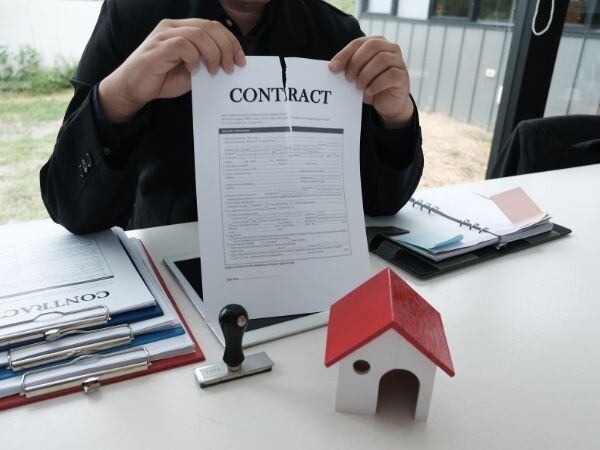
So let me give it to you straight: yes, a buyer can back out, but only if they move fast and do it the right way.
A buyer can back out after a home inspection in Washington if the inspection contingency is still active and proper written notice is delivered before the deadline using Form 35R. That notice landing in time means the sale is done and the buyer gets their deposit back.
In Washington State, earnest money is typically 2 to 5 percent of the purchase price, due two days after mutual acceptance, and credited toward the buyer’s down payment at closing. When a buyer terminates within the allowed timeframe, the earnest money is generally returned through escrow after both parties sign a written authorization.
Sellers have little recourse when the buyer follows the contract properly and submits Form 35R on time. A buyer who missed the deadline and tried to walk away is a different conversation, and one you’d want a real estate attorney involved in.
If your sale falls apart and you want to avoid the inspection gauntlet next time, a direct buyer like Serious Cash Offer purchases homes as-is, no inspector crawling through your attic for three hours.
How to Remove a Contingency Once You Are Satisfied with the Inspection
When a buyer is happy with what the inspector found, they submit Form 35R selecting the approval option. Form 35R lets buyers formally respond after their inspection using one of four paths, one of which is to approve the inspection and confirm the contingency is fulfilled, moving the transaction toward closing.
What often gets skipped: buyers who say “the inspection looked fine” verbally but never send the form. Silence isn’t approval under Washington contract law. A buyer who does not deliver written notice before the inspection period expires is deemed to have waived the contingency; the buyer can no longer use inspection findings as a basis to terminate, and the transaction continues toward closing.
From a seller’s perspective, getting that formal approval in writing is the moment you can breathe. Until you have it, the sale still has an open exit door.
Do Washington Home Buyers Need Financing Contingencies Too?
A buyer in Bellevue had a pre-approval letter, a high income, and a clean credit history. Three weeks into the transaction, their employer announced layoffs, and their mortgage loan was denied. The financing contingency saved them from losing their deposit. Without it, they’d have lost every bit of their earnest money.
The financing contingency protects buyers from losing earnest money if the loan does not come through, and NWMLS Form 22A is used to add it. If the buyer cannot obtain financing despite a good-faith effort, they can terminate and keep their earnest money.
Financing contingencies can hang over the sale for three to four weeks, especially when mortgage rates are moving. Washington had roughly 21,400 active listings statewide as of June 2026. More inventory means buyers are less likely to waive financing contingencies just to compete, giving you more room to protect yourself during underwriting.
If you’d rather skip the waiting game entirely, Serious Cash Offer pays in cash, so there’s no mortgage loan to underwrite and no lender timeline slowing things down.
Should You Waive Contingencies to Make a Stronger Offer in Washington?

Sellers love the idea of an offer with no contingencies. But the advice to “waive everything to win the house” leaves out what happens when you’re the one selling a property that’s been off the market for two weeks while the buyer figures out they can’t afford it.
Waiving the inspection contingency means a buyer won’t have the option to renegotiate the price or ask for repairs if the home has issues. In cities like Tacoma or Everett, where older homes may have hidden problems, this carries real risk. Mold, water damage, and aging roofs don’t disappear because no inspector flagged them.
A seller suffers more from a no-contingency offer that collapses mid-transaction than from a contingency offer that closes cleanly. You’ve lost market time, potentially disclosed issues to future buyers, and now you’re starting over.
One couple I worked with in Port Orchard had dealt with two failed sales: one fell apart over inspection issues, and one died when the buyer’s loan was denied. We came in on a Thursday, bought the place as-is, and they were done by the following week. Sometimes, selling your house in Washington directly is the smarter move. Serious Cash Offer is worth a conversation if you’re tired of sales falling through.
Frequently Asked Questions
What Happens If a Buyer Backs Out After an Inspection?
If the buyer submits their written termination notice through Form 35R before the inspection deadline, the termination is valid, and the earnest money is returned through escrow. The seller’s home goes back on the market, but there’s no financial penalty against the buyer. If the buyer tries to walk after the deadline without a valid contingency, the earnest money can be forfeited to the seller, and the seller may have additional remedies depending on how the default remedy checkbox was completed on Form 21.
Can a Buyer Be Sued for Backing Out?
A buyer who terminates properly within an active contingency period generally cannot be sued, because they followed the contract exactly as written. The situation gets more complicated when a buyer defaults without a valid contingency, misses a deadline, or waives all protections. In those cases, the seller’s remedies depend on what was selected in the contract, and consulting a Washington real estate attorney is the right move before taking any legal action.
At What Point Can a Buyer No Longer Back Out?
Once all contingencies have been removed or expired, the buyer is fully committed. If the inspection contingency deadline passes without a written response, that protection is waived automatically. After financing is approved and the appraisal contingency is cleared, the buyer’s only clean exit would be through mutual agreement with the seller, and at that point, the seller has every right to say no.
How Long Does a Seller Have to Respond After an Inspection?
The seller’s response timeline is set by the contract and runs within the same overall inspection contingency window established in Form 35. In practice, sellers typically respond to a buyer’s Form 35R repair request within a day or two to keep the sale moving, since the buyer’s deadline doesn’t pause while the seller thinks it over. Your agent can tell you exactly how many hours you have based on how the contract was written.
Sell Your Washington House Without the Inspection Risk
If your sale just fell through after an inspection, or you’re tired of watching buyers walk away and want to skip the whole process, reach out to Serious Cash Offer. No repairs, no contingencies, no waiting on a lender. If you want to talk through your options, we’re here. No pressure, no obligation.
Helpful Washington Blog Articles