

A seller in Kirkland called me on a Thursday afternoon, a week before her closing date. An FHA appraiser had flagged three repairs; her buyer couldn’t close without them, and she had no idea what any of them meant. That’s a call I get more than people outside this industry would expect. Appraisal-required repairs aren’t exotic edge cases. They’re one of the most common reasons Washington home sales stall, and most sellers walk into the process completely unprepared.
The Part Most Sellers Miss Before Listing
Sit across a kitchen table from enough sellers, and you’ll hear the same thing: “I figured the buyer’s lender would just handle it.” They won’t. Working for the lender, not you, the appraiser serves an institution whose job is to protect its collateral. If the appraiser flags a repair, the loan doesn’t move until someone fixes it. Full stop.
Washington’s housing market remains active, with homes selling for a median sales price of $640,000 in July 2026, according to Northwest MLS. At that price point, an unexpected repair demand after the appraisal can throw off a seller’s net proceeds in ways they weren’t budgeting for. A roof repair, a plumbing system fix, peeling lead paint on a pre-1978 home: any of these can add thousands in costs to a transaction the seller thought was already done.
A couple of years ago, I got a call from three siblings trying to sell their parents’ home in Puyallup. They were three months behind on the mortgage, with an auction date already set, and had been living out of state since their mother passed. Overall, the house was in okay shape, but the garage was packed floor to ceiling with decades of belongings, and the appraiser couldn’t even access part of the structure. The buyer’s lender required a re-inspection before funding, which cost them more time than they had. The siblings didn’t have time, money, or the emotional bandwidth for that fight. We bought the house as-is, closed fast, and they used the proceeds to catch up on what they owed.
That situation repeats itself constantly in Washington. Sellers don’t always have time for repairs, and every delay costs real money. Understanding what appraisers actually require, and what they don’t, puts you in a much stronger negotiating position from day one. If your list gets long enough that fixing it first stops making sense, here’s how to sell a house that needs repairs in Washington without a contractor ever setting foot on the property.
What Does a Home Appraiser Look for in Washington State

A seller in Everett once told me she’d cleaned the whole house top to bottom because she thought the appraiser was grading her housekeeping. Her cleaning didn’t matter to the appraiser. He cared about the exposed wiring in the laundry room.
An appraiser is primarily concerned with market value, but in Washington State, FHA appraisers also evaluate the property’s overall condition alongside that valuation. For conventional loans, the bar is narrower; the appraiser mainly confirms the property supports the loan amount. For government-backed loans, the scope is wider, covering safety, structural soundness, and livability (all three carry equal weight).
Most required repairs fall into predictable categories: non-functional utilities, roof damage, lead-based paint in homes built before 1978, exposed wiring, foundation issues, and missing handrails. Washington’s climate adds another layer. Pacific Northwest moisture creates conditions that accelerate wood rot, encourage mold, and compromise drainage around foundations, all things that appraisers here are trained to notice.
FHA appraisers perform a basic review of the electrical system to make sure it functions properly and does not present safety hazards. They’ll also look at the roof, the plumbing system, HVAC function, and any signs of water intrusion. Properties in older neighborhoods in Tacoma, Bellevue, and Snohomish County often have houses built in eras when some of these systems were installed to different standards, which means repair flags are more common there than sellers anticipate (and more expensive to clear).
Minor cosmetic problems like scuffed floors or dated fixtures rarely trigger repair conditions, though peeling paint on a pre-1978 home is a common exception under FHA rules. Your appraiser isn’t going to make you replace your 1987 kitchen cabinets. But active roof leaks, missing handrails on stairs, and broken windows are a different matter entirely (safety and weatherproofing, not aesthetics).
Structural Problems That Fail Home Appraisals in Washington
Sellers often believe that a house that has been standing for forty years will automatically pass an appraisal. Forty years of deferred maintenance in a wet Pacific Northwest climate can produce structural red flags that a lender simply won’t accept.
Foundation issues top the list. Cracks that show horizontal movement, separation, or water infiltration are serious enough to stop a financed sale cold. Snohomish County and Pierce County have significant populations of older homes on crawl spaces with inadequate vapor barriers, and the moisture that accumulates there can eventually compromise floor joists and sill plates.
Washington homes deal with moisture, and appraisers can flag mold-like growth patterns and rotting wood around decks, steps, railings, or sill plates. This is particularly true in older neighborhoods like Hilltop in Tacoma or South Everett, where drainage around the foundation was never updated from the original grade.
Sellers are often surprised by what an appraiser finds on the roof. A roof that looks cosmetically intact from street level can show up on an appraisal with missing flashing, deteriorated underlayment, or granule loss severe enough to warrant replacement. The deal-breakers tend to be serious issues that cannot easily be corrected, such as a dilapidated roof or holes in the floor.
Deferred porch repairs show up frequently in Seattle, Tacoma, Everett, Renton, Auburn, Kent, and similar areas where porch maintenance gets postponed for years. The rot goes deeper than it looks, and to an FHA appraiser, a structurally compromised porch is a safety hazard, which puts it squarely in mandatory-repair territory.
Most Common Appraisal-Required Repairs in Washington State

What exactly is the appraiser going to write up when they walk through your property?
Your answer depends on the loan type, but there are categories that appear repeatedly across all of them. Peeling paint is one of the most frequent triggers in Washington, especially in homes built before 1978, when lead-based paint was common. Any areas with peeling paint, including the interior, exterior, and additional structures such as a shed or fencing, must be scraped and repainted.
Drainage problems are another repeat offender. If necessary, drainage must be reconfigured to direct water away from the house. In Washington, where we get more rain than most of the country, this one surfaces constantly. A yard that slopes toward the foundation instead of away from it becomes a lender issue, not just a landscaping preference.
Broken windows, non-functioning HVAC systems, plumbing leaks, pest infestations, and missing smoke detectors all land on the common list, too. Any mice, insects, or other pests impacting the home must be exterminated before the loan can close. Pest pressure in Redmond, particularly carpenter ants drawn to moisture-damaged wood, shows up in appraisal reports more frequently than listings reflect, leaving sellers genuinely surprised.
Exposed or outdated electrical wiring rounds out the top tier. Homes in Kirkland and older Bellevue neighborhoods that still have aluminum branch wiring or knob-and-tube panels get flagged routinely, and owners facing that bill often look for cash home buyers in Kirkland instead. The appraiser won’t rewire your house, but they’ll note the hazard, and the lender will require it to be resolved before funding.
FHA vs. Conventional vs Cash: Appraisal Repair Requirements by Loan Type
A seller in Redmond had two offers on the table: one FHA, one conventional. She chose the FHA offer because it was slightly higher. Two weeks later, the appraiser required a new roof and remediation of some asbestos fibers in the attic insulation. A conventional appraiser would have flagged neither.
FHA appraisers must limit required repairs to those necessary to maintain the safety, security, and soundness of the property, preserve its continued marketability, and protect the health and safety of the occupants. That standard is built into HUD’s guidelines, and it gives FHA appraisers wide latitude to flag items a conventional appraiser would pass over.
On government-backed loans like FHA and VA, required repair conditions carry the force of a loan requirement. On conventional loans, the bar is higher, but severe issues can still trigger mandatory repairs. For a seller whose home has older systems or deferred maintenance, that distinction is enormous. A conventional buyer’s appraiser is primarily focused on market value, so if the house supports the sale price, the appraiser moves on.
Cash buyers don’t trigger an appraisal at all unless they choose to request one. No lender, no mandatory inspection component, no repair requirements. That’s one of the key reasons sellers with problem properties tend to seek out cash buyers. If you’re already thinking along those lines, Serious Cash Offer works with Washington sellers who want to skip the appraisal process entirely and sell the property in Washington in its current condition.
Can a Buyer Waive Appraisal-Required Repairs on FHA Loans
Sellers sometimes push back on this one: “Can’t the buyer just sign something saying they accept the house as-is?” On FHA loans, not really.
The HUD Single-Family Housing Policy Handbook is clear that the appraiser must require repairs necessary to maintain safety, security, and soundness. That’s not a request that the buyer and seller can simply waive between themselves. The lender is the one bound by HUD’s guidelines, and the lender won’t fund the loan with known safety deficiencies left unresolved.
There’s a mechanism that sometimes creates wiggle room: the escrow holdback. An escrow holdback means some of the seller’s proceeds won’t be released at closing; instead, the escrow officer pays the repair contractor from those funds as work is completed. This lets both parties close on schedule while the repairs are finished afterward.
If the total repair cost is less than $5,000, you can request that the lender open a repair escrow account for the amount. Above that threshold, a standard FHA escrow holdback isn’t available, and buyers may need to consider a different loan structure altogether.
Not every lender will agree to open a repair escrow account, since it takes extra legwork and carries risk if the work isn’t completed to FHA standards after closing. Sellers should confirm early whether the buyer’s lender is willing to use this option, because discovering otherwise a week before closing is brutal timing.
What Happens If the Appraisal Reveals Repairs Are Needed
So the appraiser flagged something that needs fixing. Now what? Appraiser-required repairs follow a fixed chain: the appraiser documents, the lender issues a condition, the seller or buyer resolves the item, an inspector clears it, and the lender approves the loan. Each link in that chain has to hold. Miss one, and the sale pauses until it’s resolved.
Your first option is straightforward: fix the repairs before the re-inspection. The seller handles the work, provides contractor receipts or proof of completion, the appraiser or a designated inspector confirms it, and the loan moves forward. This works well when repairs are modest, and there’s enough time before the closing date.
Negotiating who pays is your second option. A buyer might agree to a price reduction rather than demanding the seller fund the repairs directly, or they might accept a credit at closing that offsets their costs after they take ownership. Neither approach bypasses the repair requirement itself, but they shift who bears the financial weight.
A third path exists: walk away from this buyer and find a different one with a different loan type, or no loan at all. If the repairs are extensive enough that the FHA appraiser’s list is daunting, a seller may be better served by targeting buyers using conventional financing or working with a cash investor like Serious Cash Offer, who’ll buy the property in Everett without requiring any repairs at all.
Who Pays for Appraisal-Required Repairs in Washington State
The purchase contract governs this, not the appraiser and not the lender.
Washington’s standard residential purchase agreement doesn’t automatically assign repair costs to the seller. What it does is create a negotiation. The seller can agree to fix items before closing, offer a price reduction, issue a closing cost credit, or simply refuse. Buyers can accept the seller’s response, push back, or cancel if the repair issue is material enough.
The lender only cares that the repairs are done and verified before funding. Whether the seller paid, the buyer paid, or a family member showed up and fixed the issue for free doesn’t matter to the underwriter.
In practice, sellers almost always absorb at least some of the cost. Buyers using FHA home loans rarely have extra cash sitting around to fund repairs on a home they don’t yet own. When I’ve seen sales fall apart over this, it’s usually because the seller assumed the buyer would just figure it out, and the buyer assumed the seller would just pay. Neither side got clear on the contract language early enough.
One detail that almost never gets mentioned: if you’re refinancing rather than selling, the repair question falls solely on your shoulders. No buyer to split costs with, no credit at closing to ease the sting. Homeowners in Sammamish and Snohomish County who try to refinance into better mortgage rates sometimes discover mid-process that their appraiser has flagged repair items that have to be resolved before the refinance can be completed, leaving the clock ticking while contractors are scheduled.
Average Cost of Appraisal-Required Repairs in Washington State
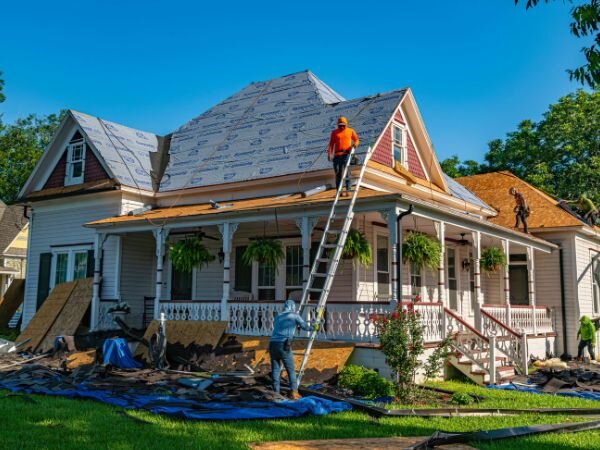
Underestimating repair costs is how sellers end up short at closing.
Repair costs in Washington run higher than national averages because of labor costs in the Seattle metro area and surrounding counties. A licensed plumber in Kirkland or Bellevue charges more per hour than a plumber in rural eastern Washington, and that gap matters when your appraiser requires plumbing system work or HVAC repair.
Roof repairs range widely, from a few hundred dollars for minor flashing work to $15,000 or more for a full replacement on a larger home. Electrical panel upgrades in older Tacoma or Everett bungalows run $3,000 to $8,000. Plumbing repairs for something like a broken sewer lateral can push well past $10,000 in urban King County, where accessing buried lines through established landscaping (mature trees make this worse) drives costs even higher. HVAC replacements average $5,000 to $12,000, depending on the system type and the size of the home.
Lead paint stabilization on pre-1978 homes typically runs $1,500 to $5,000, depending on how much surface area is affected and whether the job needs a certified lead abatement crew. Asbestos remediation itself can range from $1,500 for a small area to more than $20,000 for extensive removal.
Brokers closed 67,929 residential and condo sales in Washington in 2025, with a median completed transaction price reaching $644,500, according to the NWMLS. With that much money at stake, spending a few thousand to clear an appraisal condition looks completely different than spending it on a cosmetic upgrade that won’t affect the sale.
How to Negotiate Repair Costs with Buyers or Lenders in Washington
A $4,000 foundation crack estimate changes a negotiation instantly. Once you know what the repairs will actually cost, the negotiation gets much more concrete.
The seller’s strongest position is getting multiple contractor offer before responding to the buyer’s repair demand. Buyers and their agents sometimes submit repair requests with inflated estimates, and a competing offer can reframe the entire conversation by thousands of dollars. You’re not arguing about the repair anymore; you’re arguing about the number, which is a much narrower fight.
From a seller’s standpoint, price credits tend to be preferable to seller-completed repairs. When you complete the repair, you’re on the hook for quality, timing, and any issues that surface during the re-inspection. When you give credit, the buyer assumes all of that responsibility after closing. Some lenders restrict how large a closing cost credit can be, so confirm the cap with the buyer’s lender before agreeing to a number.
If repairs are extensive, get a full scope of work from a licensed contractor before you decide. The appraiser’s note tends to read vaguely, something like “damaged roof covering requires repair.” A contractor might quote $800 for a targeted patch or $14,000 for a full replacement. Those are not the same conversation. Sellers who negotiate based on the appraiser’s language rather than an actual offer tend to agree to credits that are either too high or too low.
Sellers typically undervalue how much communication with the buyer’s agent matters here. A seller who is transparent about what they can and can’t do, and who moves quickly to get an offer in hand, creates goodwill that tends to translate to a more flexible buyer. sales that fall apart over repair negotiations usually do so because both sides went quiet and assumed the worst.
Documentation Required After Appraisal Repairs in Washington
Paperwork after repairs is not optional, and treating it that way is one of the more expensive mistakes I see.
Every repair flagged by the appraiser needs a paper trail. The lender will require proof that the work was completed by a licensed contractor, not just by you or a willing neighbor. For FHA transactions especially, the documentation standard is specific: contractor invoices showing the scope of work, permits where required by local code, and a final inspection confirming the deficiency has been resolved.
In Washington, many repair types trigger permit requirements under local building codes. Electrical work in Bellevue, Redmond, and Kirkland almost always requires a permit. Structural repairs to foundations or load-bearing walls do too. Pulling a permit isn’t just bureaucratic compliance; it protects you legally and confirms the work was inspected by someone outside the transaction.
The inspection clearance is the piece that sellers most often overlook. Finishing the repair is not enough. The work has to be verified by a third party before the lender will remove the condition and allow the loan to proceed.
Keep everything organized in one folder: permits, contractor licenses, invoices, and any receipts for materials. If the re-inspection reveals the repair was inadequate, having documentation of what was done gives the contractor a clear baseline for what’s left. A sale that stalls a second time over incomplete repairs is genuinely painful, and it’s almost always avoidable with better record-keeping from the start.
Before that second appraiser visit, sellers in this situation often contact Serious Cash Offer to understand what a cash offer would look like on the home, just to know what their fallback is. Having a real number in hand makes every other negotiation easier.
A couple in Lacey called me last spring about a rental property they’d held for nearly a decade. The tenants had moved out, and they were done being landlords. The garage was still full of old yard equipment the previous tenants had left behind, and the HVAC hadn’t been serviced in years. They didn’t want to manage repairs, coordinate contractors, or deal with another appraisal cycle. We bought the property as-is, and they walked away without touching a single tool. That kind of exit isn’t for everyone, but for sellers who are genuinely done with a property, it’s a clean path forward. Once the appraisal is complete and any required repairs or appraisal issues are addressed, buyers should also understand how long after an appraisal they can close on a house and what factors may affect the timeline.
Frequently Asked Questions
Can an Appraiser Require Repairs?
Yes. An appraiser can require repairs, and on government-backed home loans like FHA and VA, those conditions carry the weight of a loan requirement. The appraiser documents the deficiency, the lender issues a formal condition, and the loan won’t fund until the repair is verified as complete. On conventional loans, the appraiser has somewhat less authority to mandate repairs, but serious safety or structural issues can still trigger lender conditions.
What Is the Right to Repair Law in Washington State?
Washington’s “Right to Repair” law, passed in 2025, applies to manufacturers of consumer products with digital electronics, requiring them to make repair documentation, tools, and replacement parts available to consumers and independent repair shops on fair and reasonable terms. It does not apply to real estate transactions or home repairs. For home sale purposes, repair obligations are governed by your purchase contract and the lender’s guidelines, not this statute.
What Are Typical Lender-Required Repairs?
Lenders most often condition a loan on utilities that do not work, a failing roof, deteriorated lead-based paint in older homes, exposed wiring, foundation movement, and stairs missing handrails. FHA lenders apply the broadest standards, covering anything that affects occupant health and safety. Conventional lenders tend to focus on structural and safety issues severe enough to affect the property’s value or habitability. Your appraiser’s report will spell out exactly what the lender is conditioning the loan on.
Is the Seller Responsible for Repairs After Inspection?
Not automatically. In Washington, the purchase contract controls who is responsible for repairs, and there’s no blanket rule that makes sellers pay for everything a home inspection or appraisal turns up. What the seller is legally obligated to do is disclose known material defects. Whether they pay to fix them is a negotiation. Sellers can offer credits, price reductions, or simply decline, though declining may give the buyer grounds to cancel the contract, depending on how the inspection contingency is written.
If your home has appraisal-required repairs and you’re not sure which path makes the most sense, talking through the options with someone who’s seen all of them is a good first step. We’re available at Serious Cash Offer whenever you’re ready to have that conversation. No obligation, no pressure, just a straightforward look at what your situation actually calls for.
Helpful Washington Blog Articles
- Washington Earnest Money Rules Every Home Buyer Should Know
- Appraisal Required Repairs In Washington
- How To Split House Equity Fairly In Divorce In Washington
- Can A Buyer Back Out After Inspection In Washington
- How Earnest Money Works When Buying a For Sale by Owner Home
- How Long After An Appraisal Can You Close On A House
- Who Pays Real Estate Agents When You Buy Or Sell A Home In Washington
- Capital Gains Tax on Selling a Rental Property in Washington State
- How to Sell a House That Needs Repairs in Washington
- Home Equity Loan Alternatives for Homeowners Without Refinancing
- Can Medical Bills Take Your House in Washington State?
- Can You Sell Your House When You’re Behind on Mortgage Payments