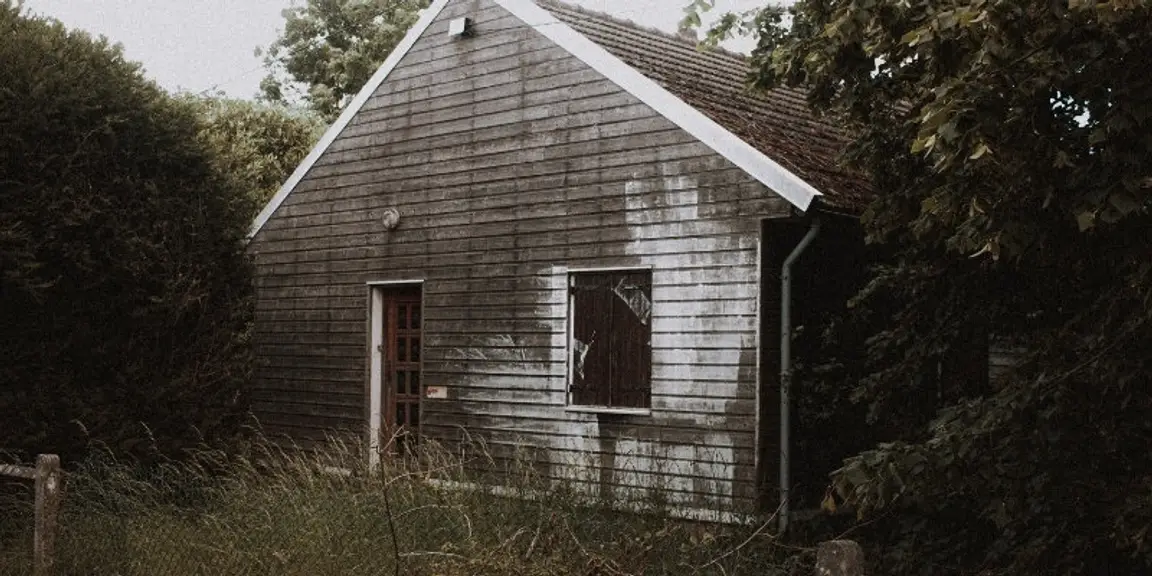

Your house needs work. Maybe a lot of work. The roof has been on your mind for two winters, the HVAC system groans on cold mornings, and two plumbing estimates have been sitting on your counter since spring. You’re not the only one. Thousands of Washington homeowners reach this same fork every year. The route they pick decides what they walk away with.
You can sell a house that needs repairs in Washington without a single contractor setting foot on the property. Which path fits comes down to your equity, your budget, and how fast you need out. Let’s get into it.
Should You Fix Up Your Home Before Selling in Washington?
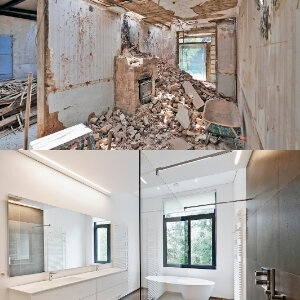
A few years back, I worked with a family splitting up in Puyallup. Four bedrooms, a roof two winters past due, and flooring nobody had touched since the mid-nineties. Neither spouse wanted to sink another dollar into the property. We closed without a contractor ever setting foot on site, and both of them moved on. Divorce sales are rarely that clean.
Three things drive the fix-it-or-sell-as-is math. The equity you’re sitting on, how fast you need to be out, and whether a repair earns back what it costs at resale. Sellers in Sammamish or Bellevue with deep equity have room to spend and expect a return. Sellers in Federal Way, Tacoma, or Everett with a thin buyer pool, or a property with structural problems, are playing a different game.
Most pre-listing repair work doesn’t earn back its full cost, and the modest jobs hold up best. Interior paint. A light kitchen refresh. None of that argues against repairs; it argues for picking the right two or three. Watch the calendar too. Puget Sound contractors book out weeks, and a repair-first plan can eat your listing window before you ever call a broker.
What Is My Washington Home Worth Before I Fix Anything?
Sellers resist getting a number before the work is done, figuring it’ll come back too low to be useful. Backwards. Your property’s as-is value is the input for every decision that follows, starting with whether to repair at all. An as-is valuation hands you two figures: what buyers pay today, and what the property fetches after a targeted list of fixes. The gap between them is your repair ceiling.
Your broker or a local cash buyer can run a comparative market analysis. It reads recent sales of comparable properties nearby, adjusts for condition, and gives you a floor you can trust. NWMLS put the July 2026 median at $640,000 across its 27-county service area, down 1.5% from a year earlier. That figure includes turnkey homes in Redmond and waterfront on Bainbridge Island. A tired rambler in Spanaway prices against its own comps, not the median.
Investors work backward from a property’s after-repair value rather than its current condition. The common framework pays 70% of that value, minus the repair budget, and a 2024 survey of more than 700 investors found a median of 67.5%. Whether the trade works for you depends on what a traditional sale nets after commission, repairs, and months of carrying costs. Run both.
Serious Cash Offer can give you a straight, as-is valuation with no obligation, so you’re working from a real number rather than a guess.
Home Repairs Vs. Home Improvements: What Is the Difference?
Mixing these two up is expensive. A repair returns something broken to working order: a dead water heater, an HVAC unit that quit, or a roof letting water in. Lenders flag failed systems on a financed property at appraisal, so those buyers usually need them handled. An improvement changes something that already works, like a kitchen remodel or new flooring throughout.
The 2025 Cost vs. Value Report puts a minor kitchen remodel at 113% of cost recovered. A major midrange remodel comes back at 51%. Modest and functional beats high-end at resale, every time.
Buyers touring a Washington property that needs repairs don’t flinch at tired cabinets or dated light fixtures. Broken things scare them. A water heater past its service life, a compromised roof, and an electrical panel with obvious defects. Someone can picture painting a wall. Almost nobody can picture managing structural work while chasing a loan approval.
What Do Washington Buyers Expect From a Move-in Ready Home?
Seattle homes sold in about 11 days over the three months through June 2026, at a median near $890,000, per Redfin. In a market that moves that quickly, expectations run high. Financed buyers need the property to clear the appraisal. The roof has to have life left, the HVAC system has to run, the water heater has to work, and nothing can be actively leaking.
No appraiser is coming out to bless your 1987 laminate countertops. They look at health and safety, at defects that make the property less than livable. Washington buyers also expect to know what they’re getting. Form 17, the state’s Seller Disclosure Statement, is required under RCW 64.06.020. You deliver it within five business days of mutual acceptance, unless the buyer waived that right in writing.
Move-in ready doesn’t mean flawless. Most buyers accept that a thirty-year-old home shows its age. What they won’t forgive, especially in the higher brackets across the Eastside, is a seller who papered over a known problem. Clean, honest, and working is the actual bar.
How Washington’s Market Conditions Affect Your Repair Decisions
Inventory keeps climbing. NWMLS counted 24,888 active listings at the end of July 2026, up 19.8% year over year, at roughly 3.74 months of supply.
Redfin’s statewide read has June 2026 prices down 1.3% from a year earlier, a median of $617,990, sales up 1.0%, and a median time on market of 33 days. More listings mean more options, and options make people picky. Rough properties sit, draw lower offers, and give buyers room to push on the inspection contingency.
Geography changes the answer. Buyers in Kirkland and Issaquah arrive cash-heavy with firm ideas about condition. Buyers in the Yakima or Tri-Cities market are willing to consider an older home and often have the DIY skills to handle it. Cash house buyers in Vancouver, WA, read a market shaped by Portland across the river. A broker who lives inside King County listings can’t tell you how Spokane’s South Hill reacts to a deferred HVAC system.
Pre-listing Inspection in Washington: Is It Worth the Cost?
Most sellers skip it, and that’s usually a mistake. Budget $450 to $650 in most Washington markets, more for a big property or an Eastside address. For that money, you learn what’s in your house before a buyer’s inspector writes it into a report their agent uses against your price.
The report buys you control. Knowing the roof has three to five years left lets you price for it, disclose it on Form 17, and skip the scramble when a buyer wants $18,000 off two weeks before closing.
One catch is worth knowing. Once that report exists, everything material in it becomes your actual knowledge, and Washington requires you to disclose it. You can’t unread the thing. Wet-side properties, from Bellingham through Olympia and out toward the Olympic Peninsula, show crawl-space moisture, rot around window frames, and moss-fed roof damage far more often than in Richland or Moses Lake.
The Most Important Repairs to Make Before Selling in Washington
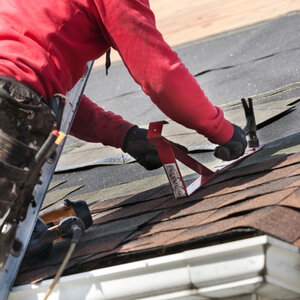
A seller in Renton came to me after two financings collapsed on the same property. Both lenders balked at the roof, which had a couple of failed sections and visible ponding. We got a quote, fixed the worst of it, documented the work, and the third buyer closed. Not a full reroof. Just the parts making lenders nervous.
The principle holds up. Fix what kills financing, not what irritates you personally. Roofs top that list here. Lenders read them closely, and active leaks, missing shingles, failed flashing at the chimney, and a thick moss blanket all read as water getting in.
Your HVAC system comes next. A furnace that won’t fire is noted on the inspection report and becomes a credit request the same day. A service call and a written record cost far less. Active plumbing leaks go before you list, because a buyer who sees one drip imagines ten more behind the drywall. Same with an old panel or exposed wiring, which lenders won’t finance around.
Curb Appeal Fixes That Help Sell a Washington Home Faster
Fresh front door paint, tidy beds, a clean driveway. That advice is right, and sellers still get it wrong. They spend three weekends in the backyard while the front trim peels and the door handle wobbles. Put the money where buyers look in the first ten seconds.
That means the driveway approach, the front door, the entry walk, and whatever beds show from the street. Exterior paint in a neutral, weather-friendly color makes a weathered rambler in Burien or a split-level in Mountlake Terrace read as cared-for. A new garage door recovered about 268% of its cost in the 2025 report, the strongest return it tracks, which surprises most sellers.
Moss matters more here than in most of the country. Anyone who’s lived through a Western Washington winter knows what it does to a roof, and they’ll dock you for it. Pressure-wash the concrete, clear the gutters, pull the ivy off the fence line. A few hundred dollars erases the look of neglect.
What Not to Fix When Selling a House in Washington
Sit down with a seller, and you’ll hear ten planned projects. Half won’t register with a single buyer. That isn’t pessimism, it’s pattern recognition.
Should I Remodel My Kitchen Before Selling? For most Washington homeowners, the answer depends on the condition of the kitchen, the local market, and how much the remodel is likely to cost compared with the potential increase in sale price. A modest cosmetic refresh may make sense, but a major renovation can be difficult to recover at resale.
Full kitchen remodels before a sale almost always lose money. A cosmetic refresh runs between $10,000 and $20,000, while a gut with layout changes starts around $65,000 and can pass $130,000. Then a buyer walks in and wishes you’d picked different hardware, tile, and counters. You spent their money on your taste.
Additions land even worse. Zonda’s 2025 figures put a midrange primary suite addition at 27% of cost recovered, and the upscale version closer to 16%. Pools, sunrooms, and specialty landscaping shrink your buyer pool rather than widen it, and none of them pay at resale. What you love about that Olympia water feature, the next owner may pay to remove.
Dated wallpaper, mismatched interior paint, builder-grade hardware from twenty years ago: leave all of it. An excited buyer swaps those out. New switchplates won’t win over a hesitant one. For a guardrail on total spend, stay within 1% to 3% of your home’s value, and treat 30% of the value as a hard cap for any single project.
Estimated Costs and ROI of Common Pre-sale Repairs in Washington
Sellers who skip the ROI math hand money to contractors that never come back at closing. Interior paint is the safest place to spend, and Angi puts the average return at 107% of cost. For a 2,000-square-foot home in Lacey or Kennewick, a professional job runs roughly $3,000 to $6,000, depending on wall condition and how many colors are involved.
Midrange bathroom work reads as well-maintained during a showing. New caulk, updated fixtures, and a fresh vanity light. The 2025 report has a midrange bath remodel at 80%, and the upscale version at 42%, and heated floors won’t close that gap. Do the midrange version.
Roof work falls outside the ROI conversation because it determines whether you close at all. Repairing the sections that trigger lender concerns, rather than tearing off a roof with years left in it, is the smarter spend. Get three quotes. Tacoma and Seattle contractors stay busy, and prices vary more than they should.
How to Prioritize Repairs by ROI When Your Budget Is Tight
Sellers on a thin budget have to be ruthless. Spend first on anything that kills financing: the roof, dead mechanicals, live leaks, a suspect electrical panel. Those aren’t preferences. They’re gates that decide whether a financed buyer can close on your property at all.
Whatever’s left goes to first impressions. The entry area, the front exterior, and as much paint, hardware, and fixture swapping as the kitchen and baths need. None of that takes contractor money, and all of it moves offer price and buyer confidence.
Everything below those two tiers, ugly but sound, belongs in your price rather than your budget. A $15,000 credit at closing lets the buyer pick their own finishes, which beats guessing at paint colors they’ll cover anyway. Serious Cash Offer prices properties in their current condition, so nothing hinges on guessing which repairs are needed.
How to Find Reliable Contractors for Pre-sale Repairs in Washington
I leaned too hard on online reviews for years, and it cost a few sellers time they didn’t have. The contractors who do good pre-sale work are the ones your agent has hired, repeatedly, not just read about. Reviews show a contractor’s best day. Repeat work from an agent moving twenty homes a year shows consistency.
Washington requires contractors to register with the Department of Labor and Industries, carry a bond, and hold liability insurance. There is no separate roofing license here, so registration is the credential that matters. Run the company through the L&I verify tool and confirm it’s active before anyone starts work on your property. Your county permit office can say what needs a permit, and unpermitted work tends to surface in the buyer’s title search.
Get three written estimates on anything major. The spread on Western Washington roofing runs wide, and the cheapest bidder is usually the busiest or the least careful. Ask how long the job takes. A contractor who promises three weeks and delivers six has taken your listing window with him. Material prices have eased since the pandemic peaks. Puget Sound labor has not.
Can You Sell a House That Needs Repairs in Washington?

Yes, and people do it constantly, from craftsman bungalows in Seattle’s Rainier Beach to manufactured homes east of the Cascades in Ellensburg. There are three honest ways to sell a house that needs repairs in Washington. The right one depends more on your situation than your house.
A seller with time, equity, and patience for the process usually nets the most from a traditional listing, targeted repairs, and a full-service broker. You’ll pay commission, carry the property through repairs and marketing, and negotiate with buyers through inspections.
Short on time, short on repair cash, or finished with contractors and open houses? A direct cash sale is a legitimate choice rather than a last resort. Investors buy properties as-is, close fast, and expect a discount against retail because they’re absorbing the renovation and the risk. A company that buys houses in Seattle, WA, prices around the roof and the panel instead of asking you to fix them.
The third route gets overlooked. List as-is, price for condition, and market to buyers using renovation financing. FHA 203(k), Fannie Mae HomeStyle, and VA renovation loans allow a buyer to finance both the purchase price and repair costs. That widens the pool of potential buyers for a distressed property, and offers can beat a direct cash sale with no repair costs out of your pocket.
A seller in Gig Harbor had carried two mortgage payments for eleven months by the time we talked. Her traditional listing stalled after a failed inspection, and the home she’d bought had already closed. We sat down on a Tuesday and walked through the place, her late father-in-law’s tools still boxed along the back bedroom wall, and looked at all three routes. She took the cash route to stop the bleeding. Less money, immediate relief.
Serious Cash Offer works with Washington sellers in exactly this spot, with a clear offer on the property as it sits today.
Whichever route you take, you owe buyers the known material facts. Once they receive Form 17, buyers have three business days to rescind the purchase agreement and recover their earnest money. That right holds even after mutual acceptance. Fill out the form honestly and deliver it properly, and it will protect you long after closing.
Frequently Asked Questions
Can I Sell My House Even If It Needs Repairs?
Yes, and it’s common. Washington State has active buyers for properties in every condition, from light deferred maintenance to full gut jobs. You can list as-is with an agent, sell directly to a cash buyer, or market to renovation-loan buyers who finance both the purchase price and the repairs. Condition sets your price. You can still close without picking up a tool.
How Do I Sell a House Fast When It Needs Repairs?
The quickest route is usually a direct sale to a cash buyer like Serious Cash Offer, which can close in days instead of the weeks or months a listing takes. If you list instead, price for the current condition from day one. Overpriced properties sit, accumulate days on market, and sell for less than what honest pricing would have brought. Speed and accurate pricing are the same thing here.
Can a Home Seller Refuse to Make Repairs?
Yes. Selling as-is means you’re agreeing to fix nothing, and that position is legal in Washington. The complication is that buyers using conventional financing may need certain repairs done before their lender funds the loan. Refuse everything, and your buyer pool narrows to cash buyers and renovation-loan borrowers. That affects your timeline and your offers.
How Long After Selling Are You Responsible for Repairs?
Your exposure tracks what you disclosed, not a fixed window. Washington’s standard is actual knowledge. A seller who knew about a defect and left it off Form 17 can face liability after closing, while a hidden problem you truly didn’t know about generally isn’t your responsibility. Intentional concealment of a material defect supports legal claims. Full, honest disclosure is the safest path. A real estate attorney can speak to your situation.
If you’d like to talk it through with someone who’s bought hundreds of homes in Washington, contact us. No pressure and no obligation. Just a straight conversation about where you are and what’s open to you.
Helpful Washington Blog Articles
- Washington Earnest Money Rules Every Home Buyer Should Know
- Appraisal Required Repairs In Washington
- How To Split House Equity Fairly In Divorce In Washington
- Can A Buyer Back Out After Inspection In Washington
- How Earnest Money Works When Buying a For Sale by Owner Home
- How Long After An Appraisal Can You Close On A House
- Who Pays Real Estate Agents When You Buy Or Sell A Home In Washington
- Capital Gains Tax on Selling a Rental Property in Washington State
- How to Sell a House That Needs Repairs in Washington
- Home Equity Loan Alternatives for Homeowners Without Refinancing
- Can Medical Bills Take Your House in Washington State?
- Can You Sell Your House When You’re Behind on Mortgage Payments