![Is It Smart to Renovate Your Kitchen Before Selling in [market_city]](https://image-cdn.carrot.com/eyJidWNrZXQiOiJwcm9kdWN0aW9uLmNhcnJvdC11cGxvYWRzLm9uY2Fycm90LmNvbSIsImtleSI6InVwbG9hZHMvc2l0ZXMvNTgzOTIvMjAyNi8wOS9Jcy1JdC1TbWFydC10by1SZW5vdmF0ZS1Zb3VyLUtpdGNoZW4tQmVmb3JlLVNlbGxpbmcuanBnIiwiZWRpdHMiOnsicmVzaXplIjp7IndpZHRoIjoxMTUyfSwidG9Gb3JtYXQiOiJ3ZWJwIiwid2VicCI6eyJxdWFsaXR5Ijo3MH19fQ==)

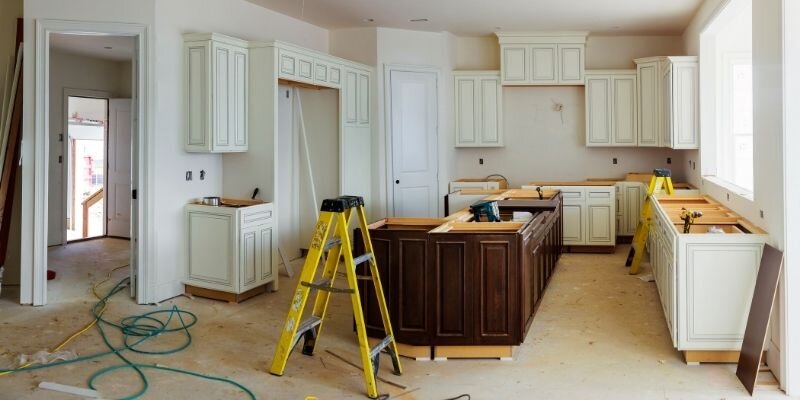
A seller asked me recently whether new quartz counters would push her asking price into a new bracket. Her kitchen hadn’t been touched since the Carter years. The kitchen had gold oak cabinets, laminate counters with a scorch mark by the stove, and a dishwasher loud enough to hear from the porch. My answer let her down a little. A kitchen remodel is one option among five or six, and it’s rarely the one that nets you the most money per week of your life spent on it. If homes in your area go under contract fast, that pace changes the math on everything below.
Which Appliance Upgrades Increase Sale Appeal?
No one writes a bigger check because your fridge is new. True, and it misses what appliances do in a sale. They don’t add value on a line item so much as take away excuses for a buyer to knock money off.
Mismatched fridges, dishwashers, and ranges catch buyers’ eyes right away. The white fridge, black dishwasher, and almond range from another decade: buyers read that as a house where things got replaced only when they broke. Matching finishes on the three main pieces fixes that impression for less than new counters cost.
In older homes, buyers still favor gas ranges where the gas line is already in place, and buyers who cook have strong opinions. Adding gas where none exists is a bigger project. Most cities require a permit for a new gas pipe, and many want a drawing showing pipe size, distance from the meter, and the BTU load for each appliance. Contractor job, not a Saturday.
Skip the pro-grade range. A commercial unit in a 1,400-square-foot bungalow reads as mismatched ambition, and no appraiser credits a dime of it. Energy-efficient models sell better than showpieces, partly because buyers ask about utility bills during showings.
One more thing on the hood. If your microwave recirculates instead of venting outside, buyers with any remodeling experience notice.
What Kitchen Trends Do Home Buyers Want Most?
Homeowners spent a median of $20,000 on a minor kitchen remodel, according to the 2026 Houzz Kitchen Trends Study, with major remodels running a median of $55,000 nationally. The same study flagged a shift worth watching. Wood cabinets overtook white for the first time, 29% to 28%, after wood gained six points in a single year.
You see it in older housing stock all over the country. Walk a block of Craftsman bungalows or midcentury ranches, and warm wood tones look native instead of trendy. Painted white shaker still photographs clean, though it no longer sets your listing apart from the other houses buyers toured that weekend.
Quartz has become the counter most buyers expect in mid-price markets, and it beats granite in resale conversations because nobody has to explain sealing schedules. For floors, luxury vinyl plank in a matte oak tone handles wet winters and muddy boots. Original hardwood, refinished, still wins in older areas.
Light does more in a photo than material does. Under-cabinet strips, plus a fixture over the sink that isn’t the builder-grade dome from 1996, do more for a listing photo than a new backsplash would.
Open shelving has cooled off. Buyers tour with storage in mind, so a wall of bare dishes reads as a chore. Deep drawers, a pantry door that closes, and enough counter space by the range to set a pan down are the design picks that survive from tour to offer.
How Long Does a Kitchen Remodel Take Before Selling Your Home?
Start the demo in October, and you’ll list in January, with a house that smells like sawdust in a market that’s asleep. That risk beats the budget risk. Contractors generally plan on 6 to 12 weeks of construction for a kitchen remodel, and the whole project, counting design, bids, permit review, and material orders, usually runs 3 to 6 months.
Cabinet lead times stretch it further. Stock cabinets can arrive in two to four weeks, while semi-custom and custom orders often take six to ten. One backordered drawer front holds up a final walkthrough.
A while back, the grown children of an elderly homeowner called me on a Tuesday. Their mom was three months behind, the auction date was set, and a contractor had priced a kitchen refresh they hoped would let them list for full retail. The garage was stacked with her late husband’s fishing gear and about 40 gallons of paint, a scene I’ve walked into more than once. No version of that timeline finished before the foreclosure sale.
We closed instead; they kept the equity, and the fishing gear went to the grandkids.
Construction timelines and foreclosure timelines don’t negotiate with each other. If your deadline is fixed, whether a job transfer or an auction date, a remodel is the wrong tool. A cash sale through a buyer like Serious Cash Offer closes on your calendar with the kitchen untouched.
How Do You Stage a Kitchen to Attract More Buyers?
Staging earns more per dollar than any big project on this list. The kitchen you own now, photographed well and emptied, competes better than sellers believe.

Clear every counter. All the way, then put back three things: a cutting board, a plant, and a kettle. Knife blocks, paper towel holders, the blender, and the kids’ magnets go into a bin in the garage.
Buyers open cabinets. They open the one under the sink first, and they’ll find the leak ring and the 15 plastic bags. Half-empty cabinets signal space, while jammed cabinets signal that the house is too small.
Smell does more damage than dated tile. A Saturday deep-clean of the range hood filter and the disposal beats a scented plug-in. Buyers walking in from outside notice stale odors right away.
Bulbs are the other cheap lever. Swap each bulb in the room to the same daylight temperature, and the whole space reads as newer. Mixed warm and cool bulbs turn a kitchen yellow and tired in every frame, which I’ve noticed on plenty of walkthroughs.
Dig up your listing photos from the last time this house sold. The kitchen shot is often the second or third image buyers see, and it decides whether they scroll or schedule. If you want a budget before you call anyone, here’s how much it costs to stage a house in Washington.
The Pre-sale Kitchen Checklist, Ordered by What Pays
A seller I worked with had a working 1990s kitchen with dead grout and a dripping faucet. She spent $200 on hardware, put in a new faucet, and scrubbed all weekend. Her photos came back looking like a different house.
Put order ahead of ambition. The sequence that pays off, cheapest first:
- Clean and declutter. It costs sweat and nothing else.
- Replace the light. Swap bulbs and fixtures, and clean the windows over the sink.
- Replace the hardware. A matching finish on each knob and pull, matte black or brushed nickel to suit your cabinet tone, takes an afternoon and a screwdriver.
- Update the faucet and sink. A dripping faucet gets logged as a plumbing issue on an inspection report, and a stained composite sink drags the whole counter down with it.
- Paint the walls and trim before you touch the cabinets.
- Refinish the cabinets if the boxes are solid.
- Replace the counters only if yours are damaged rather than merely dated.
Everything below that line, like new floors, new cabinets, moving the sink, and appliance packages, is a remodel choice that can wait for the next owner.
One pattern I keep seeing: sellers skip the first four items, spend on the seventh, then sit at showings apologizing for the clutter. Cheap fixes carry the pricier ones on their back. Do it in reverse and you’ve bought a nice countertop for the next owner.
How Kitchen Condition Affects Home Sale Price and Timeline
“Will a dated kitchen kill my sale?” No. It’ll cost you money and time, which is a different issue.
In markets with tight inventory, a dated kitchen still sells. Where prices have flattened, it sells for less than the same house two streets over with new counters.
The money leaks in two places. A tired but working kitchen often pulls offers below the list, plus a repair credit request after inspection. A kitchen with active problems, like water damage under the sink, a failing floor, or a range that doesn’t light, pushes financed buyers away. Appraisers flag deferred maintenance, and some loan programs get sticky about health and safety items.
You also pay in time. A listing that sits past 30 days in a normal market invites the question buyers always ask their agent: what’s wrong with it? Price cuts follow, and the second cut seldom wins back the momentum lost by the first.
A dated kitchen also changes who shows up. Investors and cash buyers tour dated homes, and that’s the whole model behind a We Buy Houses company like ours. Retail buyers with a down payment and a mortgage want to move in ready, and they’re the ones who fall in love and stretch. Each step your kitchen falls from presentable narrows that pool. Cheap surface work pays outsized returns on price and days on market.
Should You Do a Full Kitchen Remodel or Minor Updates Before Selling?
Get the kitchen, add the cost to the list price, and collect the difference. National ROI data has been knocking that idea down for years. Zonda’s 2025 Cost vs. Value report, still the most recent edition, puts a $28,000 minor kitchen refresh at about 113% of its cost recovered, while a $164,000 upscale gut job returns roughly 36%.
The cheaper project wins on percentage and in real dollars for a seller who’s leaving anyway.
Buyers pay neighborhood prices. A house on a modest block with a $50,000 kitchen is still a house on a modest block, and the comps cap what any appraiser will support. Over-improving for your street is the most expensive mistake I see homeowners make before listing.
There’s one real exception. If your kitchen has failing systems, such as a floor that’s soft near the dishwasher or cabinets whose bottoms swelled from a long, slow leak, cosmetics won’t save it. That house needs either a real renovation or a buyer who prices the work themselves. We walk through both paths in our guide to selling a fixer-upper home in Washington State.
For sellers in that second group, the cleanest comparison is a no-obligation cash number from Serious Cash Offer next to an agent’s listing price. You can read How It Works first. One number reflects the house as it stands. The other reflects the house after you spend four months and $40,000 finding out whether the estimate was right.
What Kitchen Repairs Do Home Sellers Need Before Listing?
Fix the things an inspector will note. That’s the whole rule, shorter than any remodel plan.

Under-sink leaks top the list. A slow drip that’s been soaking the cabinet base for two years makes the kind of photo in an inspection report that turns a confident buyer nervous. Repair the supply line, replace the swollen cabinet floor, and dry it out well.
Outlets near the sink should be GFCI protected. The National Electrical Code first required that for kitchen countertop receptacles near a sink in 1987, so plenty of older homes were wired without it. Age alone doesn’t require an upgrade, but new electrical work must meet current code, and licensed electricians pull those permits. Swapping a face plate isn’t the same as adding a circuit. Your local building department can confirm which side of the line your job falls on.
Garbage disposals, dishwasher drain loops, and a range hood that vents outside are standard callouts. So is a cabinet door that won’t close or a drawer slide that’s given up.
What I’d tell you across the table: these fixes stop buyers from subtracting. Each unaddressed item invites a credit request, and buyers guess high on the repair to protect themselves.
You won’t spend much here. A plumber’s visit and an electrician’s morning total less than a single week of carrying a house that isn’t selling.
What Are the Most Cost-effective Kitchen Updates That Boost Home Value?
What’s inside your cabinets moves buyers more than the style outside. Shelf paper from 1988, sticky drawer bottoms, and a grinding lazy Susan all indicate to buyers that the house has been heavily used. No new countertop can fix that once they’ve opened three doors.
Cabinet hardware is the highest-return investment in the whole house. Budget a few dollars per pull and count your doors and drawers before you shop.
Paint runs a close second, and the color selling most kitchens right now isn’t stark white. Warm greige on walls with crisp trim flatters wood tones and looks better under flat winter light.
A new faucet in a modern finish, installed in under two hours, changes the sink area more than resurfacing the counter around it would. Match the finish to your new hardware.
Then there’s the floor. New floors seldom pay before a sale. A pro deep-clean of tile grout, or a refinish of the hardwood you have, costs a fraction and reads as new in photos.
All of it together often lands at a few thousand dollars, spread over two or three weekends. Compare that to financing a renovation you won’t cook a single meal in.
Cabinet Refacing, Replacement, or Painting: What Sells Better?
For years I told sellers to paint every dated cabinet, and I was wrong about the boxes.
Paint works well on solid wood face frames and doors. It fails on thermofoil and on particleboard that’s begun to peel along the bottom edge, where the finish lifts and swells the moment a wet sponge touches it. To tell which you have, open a door and look at the raw edge on the inside. Wood grain runs through it, and laminate shows a seam.
Refacing sits in the middle. You receive new doors and drawer fronts over the boxes you have, commonly $4,000 to $13,000 in an average kitchen. It makes sense when the boxes are sound, the layout works, and the doors are the only dated part. Timing is friendlier than people expect. Door orders take a few weeks, and installers finish in two to five days.
A full swap almost never earns back its cost at resale. Buyers in historic neighborhoods want character, and buyers in entry-level areas shop on price per square foot. Neither group pays extra for cabinets you chose for them.
| Option | When it makes sense | What to watch for |
|---|---|---|
| Paint | Solid wood doors and face frames | Peels on thermofoil and worn particleboard |
| Reface | Sound boxes and a layout that works | Order the doors early; installation takes several days. |
| Replace | Water damage or a broken layout | Almost never returns its cost at resale |
The exception is boxes with water damage under the sink or a layout so broken that the fridge blocks a doorway. That’s a functional defect, and it does push offers down.
Should You Update Countertops Before Listing?
Laminate in good shape looks fine in photos, and buyers barely register it. But laminate with a burn mark, a chipped corner, or a lifted seam does not look fine in photos.
Before you price out quartz, get a pro counter repair estimate. Many countertop shops will fill and refinish a damaged laminate section for a small fraction of what new counters cost.
If the counters really have to go, prefab slab remnants are the move. Local fabricators keep pieces sized for standard runs, and a small kitchen often fits a remnant priced well under a custom order.
Skip the waterfall edge and skip the 3 cm upgrade. Buyers register “stone” and move on to the next room.
When to Schedule Kitchen Updates Before You List

In most markets the spring window opens earlier than people expect. Photos shot in late winter with excellent interior light often beat photos shot in gray April weather, so back your work schedule up from there.
Order anything with a lead time first: doors, a faucet in a specific finish, or a range hood. Paint and hardware can happen the week before photos, and grout cleaning goes last, after the trades have tracked through. Buyers never see the sequence, only the finished room.
Contractors commonly hold back 15% to 20% of a budget for surprises, and old kitchens usually find one behind the drywall. If a surprise like that would wreck your plans, we buy houses for cash in Washington in their current condition, kitchen included. The same goes if you’re looking for cash home buyers in Seattle or want to sell your house fast in Puyallup.
Frequently Asked Questions
Do I need a permit to replace a kitchen faucet or garbage disposal?
Straight like-for-like swaps often don’t need a permit in most cities. Moving supply lines, adding a circuit, or changing venting usually does. Rules vary, and one call to your local building department is cheaper than a failed inspection during your buyer’s contingency period.
Will a full kitchen remodel help my house sell faster?
Sometimes faster. Rarely more profitably. Surface refreshes beat gut renovations on return in most markets, and they don’t delay your listing by three months.
What if my kitchen has original 1940s cabinets?
Leave them. Clean them, adjust the hinges, add period hardware, and let the listing photos do the work. Plenty of buyers in older homes are shopping for exactly that.
How much should I budget total?
Most sellers I work with land between $1,000 and $4,000, depending on cabinet condition. Above that, we should talk about whether the money is better spent on price positioning.
Should I update the kitchen or just reduce the price?
It depends on the gap. A tired but working kitchen often costs less to refresh than the concession buyers will ask for. One with real structural damage is often better disclosed and priced to match.
If you’re weighing any of this for a specific house, I’m happy to walk your kitchen and tell you plainly what’s worth doing and what isn’t. No obligation, no listing paperwork, just a straight read on where your dollars go furthest. Reach out to Serious Cash Offer whenever you’re ready.
Helpful Blog Articles
- Difference between a short sale and foreclosure
- How to sell a house and move out of state
- Can someone take over my mortgage
- Selling Your Home After One Year: Is It a Good Idea?
- Can an Executor Sell Estate Property Without Beneficiary Approval?
- What Happens If a Seller Refuses to Close on Your Home Purchase
- Should I Remodel My Kitchen Before Selling My Home?