![How to Get a Visitor to Head Home in [market_city]](https://image-cdn.carrot.com/eyJidWNrZXQiOiJwcm9kdWN0aW9uLmNhcnJvdC11cGxvYWRzLm9uY2Fycm90LmNvbSIsImtleSI6InVwbG9hZHMvc2l0ZXMvNTgzOTIvMjAyNi8xMC9Ib3ctdG8tR2V0LWEtVmlzaXRvci10by1IZWFkLUhvbWUucG5nIiwiZWRpdHMiOnsicmVzaXplIjp7IndpZHRoIjoxMTUyfSwidG9Gb3JtYXQiOiJ3ZWJwIiwid2VicCI6eyJxdWFsaXR5Ijo3MH19fQ==)


A friend crashes on your couch for a weekend. Nine months later, he’s got a dresser in the spare room and his name on a utility bill. It happens quietly. By the time you start asking how to get someone out of your house, your options have shrunk from “ask him to leave” to “file paperwork at the courthouse.”
Most of the legal examples here come from Florida law, and other states handle this issue differently. I buy houses for a living, and I’m not a lawyer, so read this as general information rather than legal advice.
What to Do When Someone Refuses to Leave Your House
In your head, you tell them to go, and they go. Then they plant their feet. Suddenly the law cares less about whose name is on the deed and more about how long they’ve been sleeping there.
When you need to get someone out of your house, the urge is to confront them. Start with documentation instead. Write down when they arrived, what you agreed to, and whether any money changed hands. Save text messages and dated letters.
A few years back I bought a house in Tacoma, Washington, from three adult siblings. They’d inherited their mother’s place along with thirty years of her belongings. One brother had lived there rent-free since the funeral, and he wouldn’t budge. His sisters wanted a clean exit, but with a garage full of canning jars and tools, nobody was emptying that house in a weekend.
Can You Call the Police to Remove a Guest From Your Home?
You can call them, though I wouldn’t count on them. That’s what I tell sellers who ask me this at their kitchen table.
Most officers take one look at a guest who’s been there for months and call it a civil matter. They’re usually right. Florida carved out a narrow exception for what the statute calls a transient occupant. The person entitled to possession signs a sworn affidavit, and an officer can then direct that occupant to leave with no court involved. Refusing that order counts as trespass.
A judge may weigh the details later, though. Under Florida Statutes § 82.035, the factors include whether the person has utilities in their name, pays rent, or has a room of their own. Swear to an affidavit about someone who doesn’t fit, and they can sue you for wrongful removal.
What Is an Eviction Notice for a Non-Tenant Guest?
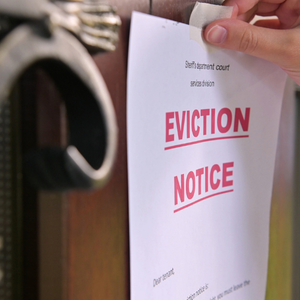
Picture a cousin sleeping in your finished basement with no lease and no rent. Months later, a judge asks whether you ever took a dime from him.
If the person was never a tenant, calling your letter an eviction notice can muddy the case. You want a written demand to vacate. Date it, say that permission to stay has ended, and give a specific move-out date. Deliver it in a way you can prove, and keep a copy for yourself.
When the demand gets ignored, the case you file usually isn’t an eviction at all. Florida sends these to county court as unlawful detainer actions, handled under a summary procedure that moves faster than a standard lawsuit. Your county clerk can tell you which form fits your situation. Washington runs its own unlawful detainer rules, so if your property is there, start with how the Washington eviction process for landlords and tenants works.
How to Prevent Unwanted Guests From Overstaying Again
Skip the written agreement, and you’ll have this same fight next year with someone else.
Put a date on every stay. A short written stay agreement signed by both of you costs nothing and spells out when the visit ends. Get the key back when it does.
Don’t take rent, and don’t let a guest put a utility bill in their name. Those are the things a court weighs when deciding whether a guest quietly turned into a tenant, with rights you’d have to litigate away.
When Selling the House Is the Cleaner Exit
Occasionally the house is the problem, not the person in it.
Picture heirs in three states, a property nobody wants to manage, and an occupant who treats delay as a strategy. That mix can grind on for years. Selling to a buyer who handles occupancy issues directly ends the standoff in one transaction, since they won’t demand an empty, spotless house at closing. A local buyer like Serious Cash Offer can look at a property with a messy occupancy situation and still make an offer.
Retail buyers rarely will. Most of them rely on a mortgage, and a home with an occupant who refuses to go rarely makes it through a lender’s closing, so the listing route stalls early. You can read how it works with a direct buyer before you pick up the phone.
What Are Your Rights as a Homeowner or Tenant?

I used to think the deed settled everything. It doesn’t.
Owning the property gives you the right to possession. Even so, the law protects people who’ve set up a residence, even informally. Renters hold the same tool from the other side. In Florida, a tenant can usually remove a guest from their unit under the same transient-occupant rules, because the statute speaks to the party entitled to possession.
What nobody gets is the right to self-help. Changing the locks, cutting the power, or hauling someone’s things to the curb can flip you from plaintiff to defendant fast. If you want to get someone out of your house legally, the courthouse is the route.
How Long Can a Guest Stay Before They Become a Tenant?
The calendar starts working against you here. No national clock exists. A guest who piles up mail, utilities, and a bedroom of their own starts to look like a tenant to a judge, whatever you call them. These are the signals that tend to matter:
| Signal | Looks like a guest | Looks like a tenant |
|---|---|---|
| Rent | Never paid you anything | Pays you, even informally |
| Utilities | None in their name | A utility bill in their name |
| Space | A couch or a shared room | A bedroom of their own |
| Gets mail somewhere else | Receives mail at your address | |
| Agreement | A dated, written stay agreement | An open-ended verbal arrangement |
Eviction volume shows how often these fights land in court. Eviction Lab’s 2026 report counted more than 1.23 million eviction cases filed in 2025 across the 10 states and 38 cities it tracks. Those areas are home to roughly a third of the country’s renters.
How Do You Ask a Houseguest to Leave?

You might worry the talk will wreck the relationship. It could. Letting things drag another six months will do more damage, and it’ll cost you money too.
Pick a time when nobody’s feeling upset and name a date. Offer something concrete if you can, like a ride, a deposit, or help loading a truck. Afterward, send a short text summarizing what you agreed to. That text becomes evidence if you need it later.
Moving fast pays off. A stalled property keeps racking up taxes and insurance every month you wait.
A landlord in Puyallup, Washington, called me after quietly covering two mortgages for close to a year. His occupant had stopped paying, and he’d never filed anything because he was too embarrassed to tell his wife. We closed on the rental with a boat still parked in the detached garage, and his second payment ended the following month.
Frequently Asked Questions
How Do I Write an Eviction Notice for a Family Member?
Keep it factual and calm. Include:
- The property address.
- The date.
- A statement that permission to remain has been withdrawn.
- The exact date you expect them out.
Deliver it in a way you can prove, and keep a copy. Your county clerk can confirm which delivery method your state requires.
Can I Evict Someone Who Isn’t on the Lease?
Usually, though not casually. If the person never signed anything or paid you, many states treat them as an unlawful occupant and send you through a court process much like the one for a tenant. Depending on where you live, the case may be called “forcible entry and detainer” or “unlawful detainer.” Either way, a judge decides, not you.
What If They Claim They Paid Rent?
Then you’ve got a factual dispute, and whoever has records usually wins it. Venmo screenshots, cashed checks, and a text saying “here’s this month’s rent” all count. That’s why I push people to write down verbal agreements, even awkward ones with a sibling. Memory makes a poor witness.
Can I Sell the House While Someone Is Still Living in It?
Yes. Buyers using a mortgage will usually walk, since the lender wants the place empty at closing and the appraiser needs to get inside. Cash buyers who handle occupied homes often are another story. We’ve closed with an adult child still in the back bedroom, and we’ve closed after a sheriff’s lockout. The timeline shifts, though the sale can still happen. If the person is a paying renter rather than a guest, read up on selling a house with tenants in Seattle, Washington, first.
How Much Does an Eviction Cost?
Filing fees run from under $50 in some counties to a few hundred dollars in others. Service of process adds a little, and an attorney adds a lot more. Time is the bigger cost. Two to four months of mortgage, taxes, insurance, and utilities on a property that earns nothing usually dwarfs the court fees. Waiting rarely turns out to be the cheap option it seems.
The Honest Summary
You can legally remove someone who refuses to leave your house, and the way to do it is notice plus a court order. A locksmith won’t get you there. Write down what you’ve tried, with dates. Decide early whether you want to keep the property or be done with it, because the answer changes which path makes sense.
If the house itself has become the problem rather than the person in it, selling as-is with the situation disclosed is a fair way out. You skip repairs and showings, and you stop carrying something that’s draining you. If your property is up here in the Northwest, see how we buy houses for cash in Washington. Owners with an occupied house can also read how we buy houses in Seattle or work as cash home buyers in Federal Way.
We buy houses as-is, including ones with someone still living in them. If you’re weighing that, we’re glad to look at your situation and tell you what the property is worth in its current condition, occupant and all. You won’t need to clean or fix anything, and you’re not obligated to accept our offer. When you’re ready, reach out to Serious Cash Offer. If the timing isn’t right yet, keep the number handy for later.
Helpful Blog Articles
- Difference between a short sale and foreclosure
- How to sell a house and move out of state
- Can someone take over my mortgage
- Selling Your Home After One Year: Is It a Good Idea?
- Can an Executor Sell Estate Property Without Beneficiary Approval?
- What Happens If a Seller Refuses to Close on Your Home Purchase
- Should I Remodel My Kitchen Before Selling My Home?
- How Soon After Chapter 7 Can I Sell My House
- How to Find a Realtor in Another State
- How to Get Someone Out of Your House Legally