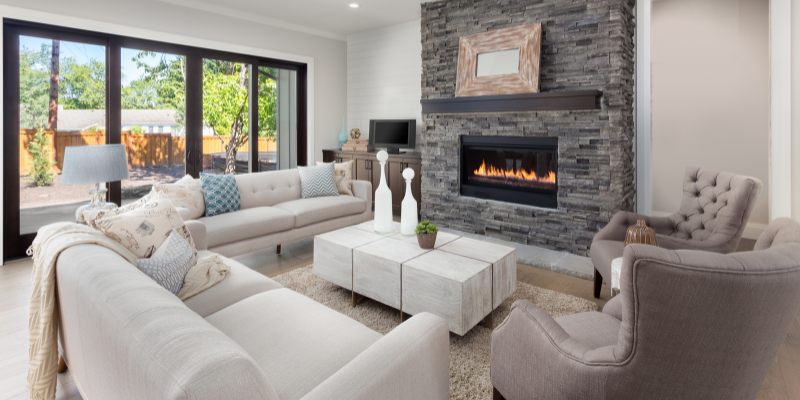
Pricing a home correctly gets it noticed in Washington, but noticed isn’t selling. Buyers here scroll a dozen listings before booking one tour, so presentation helps decide which houses sell. Home staging is the cheapest improvement sellers have left once the price is set. Furniture, light, and a clear path through each space help a home photograph better and feel livable, which tends to shorten the wait and improve the final price. Sellers still want the honest cost. So here are the real home staging costs across Washington’s very different housing markets.
Does Home Staging Actually Help Sell Houses Faster?
Walk through a cluttered home, and you can watch a buyer stop looking. Their eye lands on someone else’s mail, not the window seat. Home staging clears that noise so a buyer sees the property, not your life. The Real Estate Staging Association tracks how staged homes perform, and its third-quarter 2025 figures put them at 109% of list price with 19 days on market. That’s professionally staged homes, not the whole Washington market, but the direction holds.
Staged homes sell faster partly because they photograph better, and buyers shop with their eyes. Most buyers meet your home on a phone screen, and an empty room reads as a blank. In the National Association of Realtors 2025 home staging report, 49% of sellers’ agents said staging cut time on the market for their listings. Nearly half. For a weekend of work, that’s a real return on a small investment.
Buyers also need help picturing themselves inside. A couple touring a Seattle condo and a family walking a Spokane rambler want the same proof: that the home fits an actual life. Staged spaces sell that idea faster than bare ones. Put a bed and two lamps in a Yakima spare room, and it stops being storage. Home staging won’t guarantee you sell, though, and any company promising that is selling you something.
For sellers who’d rather skip staging entirely, Serious Cash Offer buys homes directly, so there are no showings, no furniture rental, and no open-ended wait on the market.
Is Home Staging Worth the Investment for Washington Sellers?
Most Washington sellers guess high on staging costs. A whole-home job in Washington usually lands between $1,500 and $4,000, which costs less than a kitchen appliance package. If you’d rather move on without any of it, a cash-for-houses company in Tacoma and other Washington cities will buy the property as it stands.
Run the math on your own home and your own market before you decide. Home staging usually works out to under 1% of the list price, which is thin next to what a stronger first impression can do. NAR’s 2025 report found 29% of sellers’ agents saw offers come in 1% to 10% higher on staged listings. You don’t need the top of that range for the investment to make sense.
Washington’s median home sale price was $617,990 in June 2026, so a few thousand dollars of furniture is a small slice of the total. Expensive homes tend to see the best return on the investment, because the staging bill stays roughly flat while the sale price climbs. One extra interested buyer usually covers the entire staging cost.
Time on the market matters as much as price, because buyer interest fades. Every month a home sits, you’re paying the mortgage, the insurance, the utilities, and the property tax on a place you’re trying to leave. Cutting two weeks off the market is money you keep. Home staging also spares you the routine of scrubbing the kitchen before every showing.
What Factors Affect Home Staging Prices?
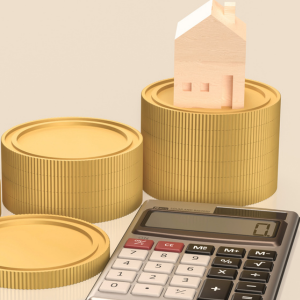
Location moves the staging estimate first. Labor, delivery, and furniture rental all cost more in the Seattle metro than in smaller Washington markets, so the same three-bedroom property prices differently in Bellevue than in Spokane. Ferry-dependent and rural locations pick up extra delivery and logistics costs. Sellers weighing those costs sometimes talk to cash home buyers in Washington instead and skip home staging altogether.
Home size and staging complexity come next. Staging room by room costs about $300 to $700 each, and large or intricate properties climb to $5,000 to $10,000 or more. Square footage isn’t the whole story either. Double-height ceilings, open plans and unusual architecture need bigger custom pieces, and those cost more to move.
Property condition is the factor sellers underestimate. A vacant home needs everything. An occupied property may only need decluttering, some furniture moved and a few new accessories, which is why an edit-and-accessorize job lands around $500 to $1,200. Repairs and paint sit outside the staging budget, and they come first. No amount of styling helps a stained ceiling, and buyers always look up.
Timing and staging company choice fill in the rest. Rush jobs cost more. So does the spring peak, when the best local staging companies are already booked. An established staging firm with deep furniture inventory charges accordingly, which is often worth it. Book in the slower months and compare two or three local companies for the same quality for less.
What Does Home Staging Cost in Washington?
Whole-home staging generally runs $1,500 to $4,000 for the first month, and that covers the staging consultation, furniture rental, accessories, setup, and removal. Initial home staging consultations alone cost $150 to $600, and plenty of companies credit that fee back if you book the full package. Ask about it up front, because not every company volunteers it.
Occupied homes cost less, because the stager builds around the furniture you already own. Vacant homes cost more, because buyers need every room filled in. Furnishing an entire house from scratch puts you in the $3,000 to $6,000 range, sometimes higher on a large property that needs better-quality pieces to match its price point.
Then come the extra costs that surprise people at signing. Cleaning costs $30 to $50 per room. Professional listing photography is usually billed separately by the agent. If the home stays listed past the first month, expect $500 to $750 a month to keep the staging furniture in place. Ask for the full list of what’s included before you sign, because a good stager will help you trim it.
Local market conditions show up in the final cost too. Seattle and the Eastside sit at the top of the range, where property values are high and buyers expect a polished listing. Home staging costs run lower in Spokane, Olympia and much of Eastern Washington, though demand, home size and the depth of the staging job still swing the final figure either way.
How Long Does Home Staging Take?
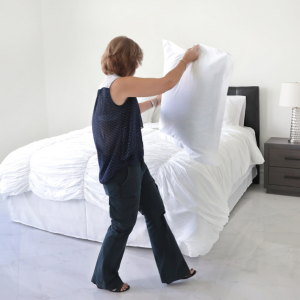
Plan on a few days to two weeks from the first call to a finished, staged home. The stager starts with a walkthrough, sizing up the property’s condition, deciding who the likely buyer is, and building a home staging plan around both. Consultations usually happen within a few days, depending on how busy the company is.
Once the staging plan’s set, an occupied home may need only a day or two of decluttering, rearranging, and light decorating. Vacant properties take longer, because every staging sofa, rug and lamp has to be delivered and placed. A big home or a luxury listing can run several days of staging work alone.
Spring and summer are the crunch. Peak months leave the good Washington staging companies booked out for weeks, so call earlier than feels necessary. The goal is a house that’s finished before the photographer arrives, since those photos sell the listing.
We’ll make you a fast, no-obligation cash offer when you contact us, so you can skip home staging entirely and close on your own timeline.
What to Look for in a Professional Home Staging Service
Good home staging isn’t just attractive staging furniture. A beautifully styled home still misses the mark if the look fights the architecture or the buyer it’s aimed at. Ask how long the staging company has been working, and more usefully, ask which price ranges and neighborhoods they stage most. A stager who knows your comparable listings helps more than one with a prettier website.
Look at the staging portfolio, ask what’s in their furniture warehouse, and call two recent clients. Local knowledge matters because buyer taste shifts, and it shifts unevenly by market. Strong inventory, clear communication, and results you can verify separate a professional home staging company from someone with a van.
Before you sign, get the scope in writing and confirm they’re insured and bonded. The better staging companies handle a whole home or a single room, and they’ll say honestly which one helps you. Collect estimates from a few and compare what each includes, not just the total at the bottom.
How to Find Affordable Home Staging Companies in Washington
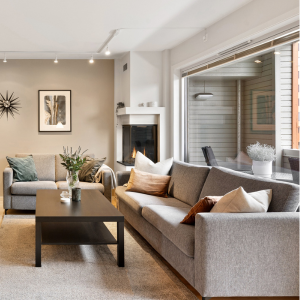
Timing is the easiest lever on staging costs. Call during the slower fall and winter stretch, when rates soften, and calendars open up. Spring and early summer cost more, because every seller in the state is preparing a home for the market at once.
Local staging companies usually beat the national staging chains on price and on fit. They read local buyer trends better, have standing relationships with regional furniture suppliers, and have lower delivery costs. Your agent is the other shortcut, since agents refer enough home staging work to negotiate rates you can’t get alone.
Partial home staging is the move if the budget is tight. Expect $800 to $1,500 for a focused job on the rooms NAR’s buyers rank highest, meaning the living room, the kitchen, and the primary bedroom. Handle the rest yourself with a hard declutter and a few small improvements.
Compare two or three written staging estimates and read what each covers. One company may include the consultation and the takedown while another bills both separately. Neighborhood groups are also a good way to find small, reputable stagers who never show up in a search.
How to Stage Your Home on a Budget Without Sacrificing Results
Most home staging failures are clutter problems, not styling problems. Start by pulling out the family photos, the extra chairs, and everything stacked in corners until the house reads clean and move-in ready. Buyers connect with a property when nothing in it belongs to somebody else. Then rearrange what’s left for flow, pulling furniture off the walls to create real conversation areas and help each space feel bigger. If you want the speed without the work, you can also sell your house fast in Seattle and the surrounding Washington cities.
Spend your effort where buyers spend their attention. Keep the spare bedrooms simple with fresh bedding and almost nothing else. If you’re short a key furniture piece, borrow it before you rent it.
Cheap improvements do a surprising amount of the staging work, and they help most on camera. Neutral paint, a deep clean, polished floors, and genuinely spotless surfaces help a home show and photograph better than most furniture swaps. Lighting is the underrated improvement, and it helps every photo. Swap dated fixtures, add a lamp in the dark corner, open the curtains, and the space warms up immediately.
Don’t skip outdoor staging. Fresh mulch, trimmed shrubs, seasonal flowers, and a power-washed walkway buy a strong first impression cheaply, and that impression starts before any buyer reaches the door.
Frequently Asked Questions
Is Paying for Staging Worth It?
For most Washington sellers, yes. Home staging runs well under one percent of a typical home’s value, and NAR’s 2025 report shows plenty of agents seeing higher offers on staged homes. With property values this high, even a slim price bump covers the staging cost several times over. Selling faster saves you carrying costs too.
What Is the 3-Foot-5-Foot Rule in Staging a Home?
It’s a two-distance check on your own staging work. From five feet back, you’re judging the room as a whole, so look at furniture scale, balance, and whether the space feels like somewhere a person lives. From three feet, buyers notice detail instead, meaning fabric quality, finishes, dust, and anything that looks fake. Staging has to hold up at both distances.
Do Most Realtors Pay for Staging?
Usually not directly, though many help. In NAR’s 2025 survey, 23% of sellers’ agents said they personally offer to stage a home. Others put marketing budget toward staging costs or negotiate group staging rates. NAR put the median cost at $1,500 for professional home staging and $500 when the agent staged the property. Ask your agent what they cover, and whether they can help with the cost.
Selling a house in Washington’s competitive market means every advantage counts. Whether you invest in professional staging or handle it yourself, the key is to make your property feel move-in ready and emotionally appealing to buyers. If you’re considering your options and want to skip the staging process entirely, Serious Cash Offer buys homes as-is throughout Washington state, letting you close quickly without staging, repairs, or months of showings. Contact us at (206) 312-1920 to learn more and receive a no-obligation cash offer for your home.
Helpful Washington Blog Articles
- Cheapest Places To Live in Washington
- How Much Does it Cost to Stage a House in Washington
- FSBO Costs in Washington
- Can I Sell My House and Still Live in It
- How Will Medicaid Know if I Sell My House
- Difference Between Title and Deed
- Selling a House With Mold in Washington
- Can You Sell a House With Termites in Washington?
- How Long Does a Real Estate Contract Last in Washington?
- How Long Can You Go Without Paying Your Property Taxes in Washington
- Washington Earnest Money Rules Every Home Buyer Should Know