

Picture this: a seller in Redmond signs a purchase and sale agreement on a Tuesday, hands the paperwork to their agent, and then spends the next three weeks staring at their phone, wondering what’s actually happening with their house. The gap between signing and closing is one of the most misunderstood stretches in Washington real estate, and most sellers walk into it completely blind, which means small problems that could’ve been handled early quietly snowball instead.
How Real Estate Contract Timelines Work in Washington State
I used to think the contract signing was basically the finish line. Turns out it’s more like the starting gun, leaving everything that happens next still carrying real risk. The shift in thinking changed how I talk to sellers about what they’re really agreeing to.
The Caldwell family found that out firsthand. They got a job transfer to Portland and needed to be out of their Kirkland home in five weeks, which is almost no time at all by traditional market standards. Last Tuesday, when they finally sat down across the table from me, they’d already wasted two weeks waiting on an agent to pull comps and schedule showings. What they needed was a buyer who could work inside their timeline, not a standard listing process built around a buyer’s financing calendar. We closed before their moving truck arrived, which still surprises sellers when I tell them it’s possible. One garage full of ski gear, two kids’ bikes, and a treadmill they left behind. Done.
Washington real estate contracts have their own rhythm, shaped by state regulations, NWMLS forms, and local escrow practices. Understanding that rhythm ahead of time saves sellers a lot of stress and prevents bad decisions made under pressure.
If you’re working with a tight timeline or want to avoid the uncertainty of a traditional sale, Serious Cash Offer can provide a fair cash offer and close on a schedule that works for you, often much faster than a conventional real estate transaction.
What Is a Washington Real Estate Contract?
What happens if the paperwork falls apart after you’ve already agreed on a price? As of early 2025, the median home value in Washington State is $596,514, up 3.8% from the previous year. With that kind of money on the line, the document governing your sale needs to hold up, and I’ve seen transactions unravel at the last minute over contract language nobody bothered to read closely.
A Washington real estate contract is a legally binding agreement that sets out the terms of a property transaction between a buyer and a seller. The contract lays out all the essential details of the transaction, including the price, contingencies, closing date, and any special conditions; in Washington, it’s typically called the Purchase and Sale Agreement. Every element of the transaction, from the earnest money amount to the home inspection deadline (and those deadlines move fast), lives in that document.
Washington uses standardized forms administered by the Northwest Multiple Listing Service (NWMLS), particularly Form 21, the Residential Purchase and Sale Agreement most buyers and sellers encounter. In the Seattle area, time computation is incorporated directly into the contract and clearly stated in NWMLS Form 21. It might sound like a minor administrative detail, but it controls when every deadline starts and stops ticking, which I’ve watched sink sales that were otherwise solid.
The contract does not guarantee that the transactions will close. It creates an enforceable framework, but your earnest money, your contingency deadlines, and your closing date still depend on every party showing up and doing their job on time. Miss a deadline, and the contract can unravel fast.
What Must Be Included in a Washington Real Estate Contract?

A seller got a verbal offer over the phone once. The buyer seemed serious, the price was right, and everyone felt good about it. Then the buyer’s agent sent over a written agreement three days later with completely different terms, forcing the seller to decide all over again with no leverage. Whether you’re working with a traditional buyer or a cash-for-houses company in Tacoma and other Washington cities, having every term in writing protects both parties and helps prevent misunderstandings.
Washington requires real estate contracts to be in writing to be valid under the Statute of Frauds, which applies to all real property transactions in the state. Beyond the writing requirement, a legally solid purchase and sale agreement needs to include the names of both parties, a legal description of the property, the agreed purchase price, earnest money terms, contingency deadlines, the proposed closing date, and signatures from both buyer and seller (every single one of those).
A real estate contract is considered legally binding once both parties, the buyer and the seller, sign the agreement and certain conditions are met. In Washington, mutual acceptance is the moment the clock starts. Everything, including inspection windows, financing periods, and appraisal contingencies, counts from that date forward.
Missing the closing date in the contract doesn’t automatically void the transaction in Washington, but it can create liability and give either party grounds to terminate if a “time is of the essence” clause is present. Most NWMLS form agreements include that language.
How Long Does a Real Estate Contract Last in Washington?
A standard Washington purchase and sale agreement doesn’t have a hard expiration date, the way people imagine. The clock starts at mutual acceptance and runs to the closing date written in the contract, which falls 30 to 45 days out for a financed purchase.
With rates stabilizing from prior peaks, the financed close remains the standard in Washington transactions in 2025, while cash buyers in markets like Medina, Mercer Island, and parts of Seattle can close in 7 to 14 days when the title is clean. The contract itself doesn’t expire partway through that window; its contingency periods do, one by one, on the deadlines the parties negotiated (inspection, financing, then title review).
Washington’s 10-day inspection periods and comprehensive disclosure requirements mean transactions demand precise timing and constant communication. Missing the inspection deadline doesn’t end the contract; it ends your right to raise inspection issues. That’s a critical distinction.
What I keep seeing is sellers and buyers treating the contract like a static document once it’s signed. It’s not. Each contingency has its own clock, and the overall contract duration stretches or shrinks based on extensions the parties agree to in writing. Financing delays, appraisal backlogs in places like Snoqualmie Pass or Gig Harbor, and county recording schedules all push timelines out.
In Snohomish County in mid-2025, the average days on market was 28 days, so by the time a seller gets to mutual acceptance, they’ve already spent close to a month in limbo. Adding a weeks-long escrow on top of that means sellers are routinely looking at 60 to 75 days from listing to keys changing hands. Listing agreements with real estate agents have their own separate duration, usually 90 days or more, as noted earlier. If your home doesn’t sell in that window, the listing expires, and you’re free to relist or pursue other options.
What Are the Most Common Real Estate Contracts Used in Washington?

Which contract actually governs your sale? Form 21 covers most of what buyers and sellers will encounter in a standard Washington residential transaction, but it’s far from the only document in play. Whether you’re working with a traditional buyer or an investor home buyer in Washington, the specific contract terms and addenda determine each party’s rights and obligations.
The Purchase and Sale Agreement is the foundational contract for almost every residential sale. Beyond that, buyers and sellers often work with addenda covering financing contingencies, inspection terms, and appraisal gaps. Commercial properties use separate commercial purchase and sale forms. For raw land or rural acreage outside King and Snohomish counties, the land sale contract format can look different, though it still must meet Washington’s statutory requirements for real property transfers (rural parcels trip people up here).
Lease agreements with a purchase option are a separate category entirely. A tenant under a lease-option arrangement has different rights than a straight buyer, and the contract structure reflects that. Real estate brokers and agents operating under a real estate brokerage in Washington are licensed and regulated by the Washington State Department of Licensing, which governs the use of forms and the disclosures required (including seller disclosure timing).
One thing worth saying plainly: the listing agreement between a seller and their real estate agent is also a contract, and its duration matters. Most listing agreements in Washington run for 90 to 180 days with automatic renewal clauses buried inside them. Many sellers don’t realize they’ve locked themselves in until they try to exit.
What Happens If a Real Estate Contract Is Missing Key Terms in Washington?
A court can sometimes fill in missing terms using Washington’s implied covenant of good faith, but that protection is thin, slow, and expensive. Relying on it is a bad plan.
When a real estate contract omits a material term, such as a closing date or a clear property description, it risks being unenforceable. Courts won’t rewrite a contract to add terms the parties never agreed to; they can only work with what’s on paper. A vague or incomplete purchase and sale agreement creates ambiguity that either party can later exploit. Buyers have walked away from transactions with their earnest money intact simply because a missing term made the contract contestable, and I’ve watched sellers absorb that loss, thinking the sale was solid.
The financing contingency is one of the terms most often written poorly or left too vague. The financing contingency is typically 20 to 30 days and is arguably the most critical contingency in any real estate purchase and sale contract. If the language doesn’t spell out what constitutes loan denial, or how the buyer must notify the seller, that contingency becomes a gray area (and I’ve seen lenders word denials in ways that leave room for dispute). Gray areas favor whoever has the better attorney.
For sellers in particular, missing seller disclosure requirements under Washington’s Seller Disclosure Act (RCW 64.06) can expose them to post-closing litigation. Washington requires sellers to complete Form 17, disclosing known material defects. A missing or incomplete Form 17 isn’t just a paperwork problem; it’s legal exposure.
If you’re looking to avoid contract uncertainties altogether, we can make a fair cash offer with no financing contingencies or lender delays. Contact us today for a no-obligation cash offer and a straightforward selling process.
What Agreement Do You Need Before Selling Property in Washington?
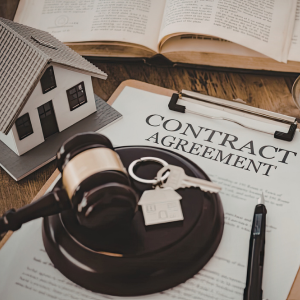
Sellers don’t need an agent to sell property in Washington, but they do need a compliant written agreement as soon as they accept an offer.
Before you accept any offer on your home, you should have a completed Seller Disclosure Statement (Form 17) ready to go. Buyers must receive this form, and a failure to deliver it on time can give the buyer the right to rescind the transaction within a set window after receiving it. Many sellers don’t know this until it’s too late.
Do you have a clear title? The question matters before any agreement gets signed. Outstanding liens, unresolved judgments, or title defects from a previous estate sale can stop a closing in its tracks. Ordering a preliminary title report before you list gives you a map of what needs to be cleared.
For sellers working with a real estate broker, the listing agreement itself is the first formal contract you’ll sign. It governs the brokerage’s authority to list your property on the MLS, how long that authority lasts, and the commission split that applies. Read the termination clause. Some listing agreements require sellers to pay the full commission even if they find their own buyer, depending on how the contract is drafted.
How Do Washington Real Estate Contract Laws Protect Buyers and Sellers?
Sit across the table from enough sellers, and you start to hear the same fear: “What happens if the buyer backs out at the last minute?”
Washington’s contract laws do a reasonable job answering that question, but only if the contract is drafted correctly. The earnest money structure is one of the strongest protections sellers have. In Washington State, earnest money is 2 to 5 percent of the purchase price, due within 2 days of mutual acceptance and credited toward the buyer’s down payment at closing. If the buyer walks away without a valid contingency, that money stays with the seller.
Washington law caps what a seller can keep as liquidated damages, so any earnest money deposit above that threshold won’t actually strengthen the offer in a technical sense. Few sellers know about this buyer protection until they’re already in a dispute.
For buyers, contingencies are the main shield. Financing, inspection, and appraisal contingencies each allow the buyer to exit without forfeiting the deposit, provided the buyer follows the contract’s written procedures and meets the deadlines. If a contract is legally canceled by the buyer and the seller refuses to release the earnest money, the Washington State real estate code provides a legal avenue to force the release; the buyer sends notice to the escrow company, the seller has 15 days to respond with a legitimate objection, and the escrow company will release the funds to the buyer if no valid reason exists.
Sellers facing complicated contract situations, title disputes, or potential foreclosure sales sometimes need more than a real estate agent can offer. A real estate attorney or litigator can review contract language, assess litigation risk, and advise on regulatory compliance. That’s a step sellers frequently skip to save money, yet it often ends up costing them more in the end (sometimes far more than the attorney would have charged).
Elena Mitchell came to us after two separate agent listings in Puyallup had expired without a single serious offer. Her home needed a new roof, the garage was packed with her late father’s woodworking equipment she hadn’t sorted through, and every showing ended with feedback about the deferred maintenance. By the time she called, she was tired. We made her a straightforward offer, no repairs required, no extended escrow, and no open houses on a Saturday morning. She left the lathe and the band saw. We found them a good home, too.
Washington’s laws also regulate real estate brokers, including their licensing requirements and disclosure obligations, through the Washington State Department of Licensing. A licensed broker owes fiduciary duties to their client, which creates accountability that the MLS system alone doesn’t provide.
Understanding how long a real estate contract lasts in Washington is only part of the process. Knowing what happens between mutual acceptance and closing, how contingency deadlines work, and what legal requirements apply can help you avoid delays, disputes, and unexpected costs. Whether you’re buying or selling, carefully reviewing the contract, meeting key deadlines, and addressing title or financing issues early can keep the transaction on track and reduce the risk of it falling through. If questions arise, consulting a qualified real estate professional or attorney can help protect your interests throughout the process.
Frequently Asked Questions
Can a Home Seller Cancel a Contract at Any Time in Washington?
Sellers cannot freely cancel a Washington purchase and sale agreement once both parties have reached mutual acceptance. At that point, the contract is legally binding, and walking away without a valid reason exposes you to a lawsuit for specific performance or damages. Your attorney can review whether any contract language gives you a legitimate exit, but sellers who try to back out simply because a better offer came along generally face real legal consequences.
What Is the 3-3-3 Rule in Real Estate?
The 3-3-3 rule is an informal guideline some agents use to structure a buyer’s evaluation process: spend 3 days looking online, attend 3 open houses or showings, and make a decision within 3 weeks. It’s not a legal standard or a Washington-specific rule; it’s a loose framework to prevent decision fatigue in a fast-moving market. In places like Bellevue or Kirkland, where homes go pending within days, even that three-week window can cost you multiple properties.
How Long Do Buyer-Agent Contracts Last in Washington?
Buyer-broker agreements in Washington typically run for 90 days, though the term is negotiable and some agents push for longer commitments. Since the previous years’ NAR settlement, buyer-broker compensation and agreement terms have been under greater scrutiny, so you’ll want to read the agreement carefully before signing. You can often negotiate a shorter initial term with an extension clause if both parties want to continue.
If you’re trying to figure out your options in Washington, whether you’re dealing with a tight timeline, a complicated title situation, or you just want to know what a direct sale would look like without committing, Serious Cash Offer is happy to have that conversation. No pressure, no obligation, just a straight answer about what your property is worth and what a sale could look like on your schedule. To learn more or discuss your options, contact us at (206) 312-1920.
Helpful Washington Blog Articles
- Cheapest Places To Live in Washington
- How Much Does it Cost to Stage a House in Washington
- FSBO Costs in Washington
- Can I Sell My House and Still Live in It
- How Will Medicaid Know if I Sell My House
- Difference Between Title and Deed
- Selling a House With Mold in Washington
- Can You Sell a House With Termites in Washington?
- How Long Does a Real Estate Contract Last in Washington?
- How Long Can You Go Without Paying Your Property Taxes in Washington
- Washington Earnest Money Rules Every Home Buyer Should Know
- Eviction Process in Washington