
Your neighbor down the street just sold their house in three days.
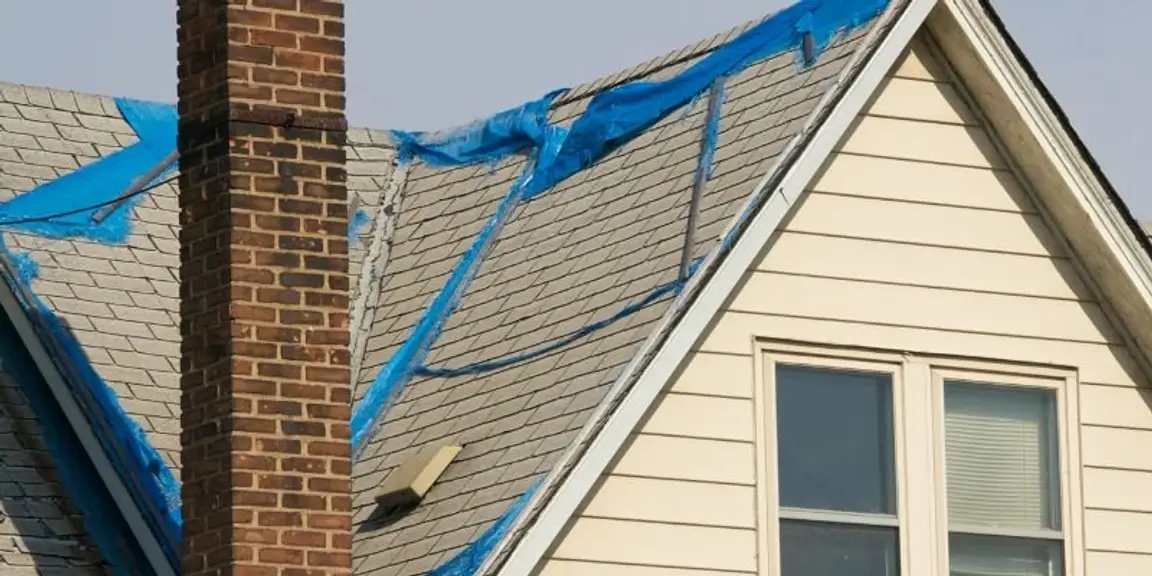
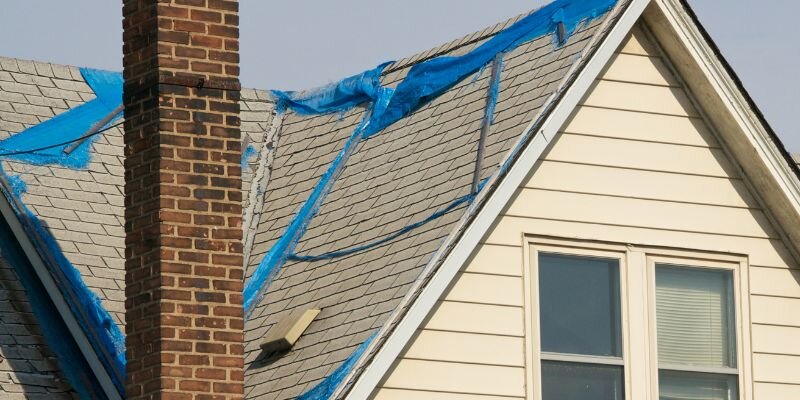
You’re looking at your own place, thinking about the peeling paint and that roof leak you’ve been ignoring, and wondering if you’ll ever escape the endless repair list. Here’s what I want you to know: you don’t have to fix everything to sell fast.
I’ve been buying houses across Washington for over a decade. From the rain-soaked neighborhoods of Tacoma to the tech-driven streets of Bellevue, I’ve seen homeowners stress themselves into financial ruin trying to get their houses “market-ready.” Most of them didn’t need to.
Selling Your Fixer-upper Home in Washington State: Complete Guide

Let me be straight with you. The traditional real estate playbook tells you to paint, stage, and polish your way to the highest price. But that playbook was written for perfect market conditions and unlimited budgets. The median days on the market increased to 32 days in November 2024, indicating that even pristine homes are sitting on the market longer than they used to be.
Your fixer-upper doesn’t have to compete in that arena. There’s a thriving market of cash buyers, investors, and companies like Serious Cash Offer who specialize in buying homes exactly as they are—no repairs required. If you’re wondering what happens next, here’s how our process works when buying homes in any condition.
Washington’s unique market dynamics actually work in your favor. The second quarter of 2024 saw a statewide median single-family home sales price of $695,100, up 6.1% year over year. Even with needed repairs, your home has an underlying value that cash buyers recognize, especially when working with cash home buyers in Washington.
The key is understanding your options. Traditional listing isn’t your only path. In fact, for many fixer-uppers, it’s not even the best path.
Washington Real Estate Market Conditions for Homes Needing Repairs
Washington’s real estate market tells two different stories depending on where you sit. As of early 2025, the median home price in Washington is around $662,800, up 1.3% year-over-year, while the average 30-year fixed mortgage rate has eased slightly to 6.67%.
For traditional buyers, those mortgage rates create challenges. FHA and VA loans, as well as many conventional mortgages, do not allow financing for fixer-uppers. That’s actually fantastic news for you. It means less competition from retail buyers who’d lowball you anyway.
Cash buyers operate differently. Lender requirements or appraisal contingencies do not bind them. Last year, over 20.6% of homes in Seattle were bought with cash. Some cash home buyers in Washington state offered sellers 100% of their home’s market value, while others offered just 40%.
Regional variations matter. The central Puget Sound region, with Seattle as its hub, remained a highly competitive market characterized by high home prices. In contrast, other areas, such as Spokane, experienced more moderate price growth and shorter days on market, indicating a relatively faster pace of sales. Homeowners in Seattle specifically have options available if they need to sell your house fast for cash in Seattle.
If your property sits in King County, you’re dealing with the most expensive county, with a median price of $1,028,800. Even a fixer-upper here has substantial value. Conversely, if you’re in Ferry County with the lowest median price at $185,000, your repair costs might represent a larger percentage of total value.
The investor market remains strong. In Q2 2024, Washington flippers earned an eye-popping gross profit of $134,329 per flip! Experts predict this trend will continue through 2025. That profit potential keeps cash buyers actively hunting for properties.
Legal Disclosure Requirements for Selling Damaged Homes in Washington
Washington’s disclosure laws are strict but straightforward. In Washington State, real estate disclosure requirements are covered by the Seller Disclosure Law (RCW 64.06), which mandates that sellers of residential real estate complete and provide a standardized disclosure form, commonly known as Form 17.
Here’s what you must disclose: Seller makes the following disclosures of existing material facts or material defects to the buyer based on the seller’s actual knowledge of the property at the time the seller completes this disclosure statement.
The key phrase is “actual knowledge.” The law only requires that sellers disclose what they know. You are not required to investigate unknown issues. You don’t have to hire inspectors to find problems.
You must disclose any known defects, such as roof damage, water intrusion, or mold issues. If you know your roof leaks during heavy rain, you disclose it. If you’ve never noticed water damage, you don’t need to climb into the attic looking for it.
Environmental issues require disclosure, too. You must disclose flooding, drainage problems, or material damage or contamination to the property due to events such as fire, earthquakes, or landslides. Living in Washington, you’ve probably dealt with some of these.
Timing matters. Sellers must provide the disclosure within five business days of mutual acceptance of the purchase agreement. Buyers then have three business days to review the form and either accept or rescind the offer.
Penalties for false disclosure are serious. If you don’t disclose major defects, the buyer can sue you for repair costs. However, they must prove that you knew about the defect and deliberately withheld the information.
You can sell a home “as-is,” but you still must disclose any known defects using Form 17. Selling as-is doesn’t exempt you from disclosure requirements.
Essential Home Repairs That Impact Sale Price in Washington Markets
Not all repairs are created equal in Washington’s market. Some fixes give you dollar-for-dollar returns. Others drain your wallet without moving the needle.
Roof issues top every buyer’s list of concerns. Washington’s relentless rain makes roof conditions critical. A leaking roof can knock $15,000 to $30,000 off your sale price, but replacement costs $12,000 to $25,000. Sometimes the math works. Often it doesn’t.
Foundation problems scare buyers more than almost anything else. Even minor settling cracks can trigger massive price reductions. Foundation repairs range from $3,000 for minor issues to $40,000 for major structural work. In most cases, you’re better off selling as-is and letting the buyer handle it.
HVAC systems matter more in Washington than you might think. Our summers are getting hotter, and buyers expect working air conditioning. A broken furnace in November will cost you more in negotiations than the $4,000 replacement cost. But a broken AC in February? Nobody cares.
Electrical issues create safety concerns that halt deals. Knob-and-tube wiring, Federal Pacific panels, or amateur DIY work will trigger inspection red flags. Modern electrical systems cost $8,000 to $15,000 to install, but the safety liability makes this repair almost mandatory for traditional sales.
Plumbing problems range from annoying to deal-breaking. Galvanized pipes, sewer line issues, or major leaks will significantly reduce your buyer pool. Replacement costs vary wildly, from $2,000 for fixture updates to $15,000 for complete repiping.
Here’s what nobody tells you: cosmetic issues have minimal impact on cash buyer offers. Outdated kitchens, worn carpets, and tired paint don’t make much of a difference. Investors expect to renovate anyway.
Structural issues are different. Sagging floors, cracked foundations, or compromised load-bearing elements will significantly impact any offer. These aren’t cosmetic problems. They’re safety and habitability concerns.
Cost-benefit Analysis of Pre-sale Repairs vs As-is Sales
The repair-versus-sell-as-is decision comes down to math, not emotion. I’ve watched homeowners spend $30,000 on renovations to increase their sale price by $20,000. Don’t be that person.
Traditional listing with repairs follows this formula: Current market value + repair costs + carrying expenses + agent commissions + closing costs = net proceeds. Those carrying costs include mortgage payments, utilities, insurance, and property taxes for however long the sale process takes.
The median days on the market increased to 32 days in November 2024, but that’s for move-in-ready homes. Fixer-uppers often sit longer, increasing your carrying costs.
As-is sales simplify everything: Current as-is value minus minimal closing costs equals net proceeds. No repair costs. No extended carrying costs. No contractor headaches.
Let’s run real numbers. Say your house would sell for $400,000 after $25,000 in repairs. Traditional sale nets you: $400,000 minus $24,000 (6% commission) minus $3,000 (other closing costs) minus $25,000 (repairs) minus $6,000 (three months’ carrying costs) equals $342,000.
An as-is sale to a cash buyer at 85% of the repaired value equals $340,000 minus $1,500 (minimal closing costs), which totals $338,500. You’re within $3,500, but you saved three months of stress and eliminated all risk of cost overruns or market changes.
Companies like Serious Cash Offer often provide competitive offers that make the math even more favorable. They handle all closing costs and can close in as little as two weeks.
The break-even point usually occurs when repair costs exceed 10% to 15% of the home’s after-repair value. Below that threshold, repairs might make sense. Above it, you’re probably better off selling as-is.
Market conditions affect this calculation. In a hot seller’s market, you might recover more of your repair investment. In a balanced or buyer’s market, selling a property as-is becomes more attractive.
Pricing Strategies for Houses with Structural Issues in Washington
Pricing a damaged house requires different thinking than pricing a perfect one. Traditional comparative market analysis (CMA) looks at recently sold similar properties. For fixer-uppers, you need to subtract repair costs and risk factors.
Start with the after-repair value (ARV). Look at recently sold comparable properties in similar condition after renovation. This gives you the ceiling for your property’s potential value.
Next, please calculate the legitimate repair costs. Get actual contractor estimates, not internet guesses. Add 20% to account for cost overruns, because they always happen. Include permit costs, which in Washington can be substantial depending on the scope of work.
Factor in investor profit margins. Cash buyers aren’t charities. They need to make a profit to justify the risk. Typical investor margins range from 20% to 30% of the project’s total investment. On a $300,000 ARV property needing $50,000 in work, an investor might pay $200,000 to $220,000.
Consider carrying costs during renovation. Investors calculate property taxes, insurance, utilities, and financing costs during the renovation period. These costs reduce what they can pay you.
Market velocity affects pricing, too. In hot markets like Bellevue or Redmond, you might get closer to retail pricing. In slower areas, expect deeper discounts.
Regional factors matter in Washington. Properties near Microsoft, Amazon, or other tech employers command premiums even in poor condition. Rural properties face more limited buyer pools and lower offers.
Seasonal timing influences offers. Spring and summer traditionally see higher activity, but cash buyers operate year-round. Winter sales might bring slightly lower offers but faster closings.
Price transparency works better than games. If you know your house needs $30,000 in work and comparable repaired homes sell for $350,000, price it accordingly. Playing hard to get rarely works with experienced investors.
Washington Real Estate Agent Selection for Damaged Property Sales

Most real estate agents avoid fixer-uppers, just as Seattle avoids sunshine. They require more work for the same commission, attract fewer buyers, and create more liability issues. Finding the right agent matters tremendously.
Look for agents with investor connections. The best agents for damaged properties maintain relationships with local cash buyers, flippers, and investment groups. They can market your property directly to motivated buyers instead of hoping someone stumbles across your listing.
Experience with disclosure issues is crucial. Real estate agents play a vital role in helping sellers navigate the disclosure process. Agents can guide sellers in understanding what they need to disclose, ensuring they include all required information.
Avoid agents who immediately suggest extensive repairs. If the first words out of their mouth involve paint and staging, find someone else. You want an agent who understands as-is sales and can position your property accordingly.
Marketing expertise for distressed properties differs from traditional marketing. Your agent should know how to highlight potential rather than problems, reach investor audiences, and price competitively for quick sales.
Negotiation skills become critical with cash offers. Investors often present multiple contingencies and creative terms. Your agent needs to understand these structures and negotiate effectively on your behalf.
Commission flexibility matters. Some agents reduce commissions for as-is sales because they require less traditional marketing and less coordination with showings. Others maintain full rates but provide additional services like contractor referrals or market analysis.
Local market knowledge is essential. An agent selling in Spokane needs different strategies than one working in Sammamish. Washington’s diverse markets require a specialized understanding of local buyer preferences and pricing dynamics.
Professional Home Staging Tips for Properties Requiring Renovations
Traditional staging advice doesn’t apply to fixer-uppers. You’re not trying to help buyers envision their dream life. You’re helping them see potential while being honest about their current condition.
Focus on cleanliness over cosmetics. A spotless house with worn finishes beats a dirty house with new paint. Investors appreciate properties they can evaluate without distraction. Remove personal items, declutter completely, and deep clean everything.
Maximize natural light. Open all curtains and blinds. Replace burned-out bulbs with bright LED alternatives. Clean windows inside and out. Light makes spaces feel larger and more appealing, even in poor condition.
Address safety hazards immediately. Loose handrails, exposed wiring, or unstable steps create liability issues and negative first impressions. These aren’t cosmetic improvements. They’re basic safety requirements.
Highlight good bones. If your house has solid hardwood under worn carpet, pull back a corner to show it. Ensure that any built-in features or architectural details are both visible and clean.
Create clear pathways. Investors need to move through the house efficiently, taking measurements and notes. Remove furniture that blocks access to important areas, such as electrical panels, water heaters, or crawl spaces.
Document systems and improvements. Create a simple folder with information about the roof age, HVAC service records, or recent improvements. Investors appreciate this transparency, and it demonstrates responsible ownership.
Don’t hide problems. If there’s a water stain on the ceiling, don’t try to cover it with furniture. Investors will locate issues anyway, and attempted concealment damages your credibility.
Price appropriately for the condition. The best staging in the world won’t overcome unrealistic pricing. Let the property’s potential speak for itself at the right price point.
Marketing Techniques for Distressed Homes in Competitive Washington Markets
Marketing a fixer-upper requires different strategies than selling a pristine property. You’re targeting a specific buyer segment with unique motivations and evaluation criteria.
Lead with honesty in your listing description. Use phrases like “investor special,” “handyman’s dream,” or “sold as-is” to attract the right buyers and repel those who aren’t serious about a project property.
Price to generate immediate interest. Pricing slightly below the market range will generate immediate interest and can even spark multiple offers. In Washington’s competitive markets, underpricing by 5-10% often leads to multiple offers, which drive the final price higher.
Target cash buyer networks directly. Market your property directly to cash buyers, local investors, and real estate wholesalers specializing in distressed properties. This focused approach works better than broad marketing.
Use investor-focused listing platforms. Beyond traditional MLSs, consider platforms designed for real estate investors. These specialized marketplaces showcase your home to multiple cash buyers and house flippers who can provide competitive offers.
Emphasize location benefits. Proximity to major employers such as Microsoft, Amazon, and Boeing adds value, even for distressed properties. Highlight public transportation access, school districts, and neighborhood amenities.
Provide detailed property information. Include square footage, lot size, zoning information, and any recent improvements. Investors make quick decisions based on numbers, not emotions.
Professional photography still matters. Even distressed properties benefit from striking photos that accurately represent the space and potential. Avoid filters or editing that misrepresents the condition.
Consider virtual tours. They save time for both you and potential buyers by allowing preliminary evaluation before scheduling showings. This is especially valuable for out-of-state investors.
Network with local investment groups. Washington has active real estate investment associations in major cities. These groups often have members looking for properties that match your situation.
Home Inspection Challenges for Repair-Needed Properties

Inspections for fixer-uppers create unique challenges. Traditional buyers often use inspection results to negotiate repairs or price reductions. With distressed properties, the approach needs adjustment.
Cash buyers typically conduct their inspections or hire specialized contractors rather than traditional home inspectors. They’re looking for structural issues, major system problems, and renovation feasibility rather than cosmetic concerns.
Consider getting a pre-listing inspection. Please complete a pre-sale inspection and address any issues you can. This reduces the number of defects you have to disclose. This strategy provides transparency and can actually increase buyer confidence.
Understand that inspection findings won’t surprise experienced investors. They expect problems and have likely already factored potential issues into their offer. Unlike traditional buyers, they won’t typically renegotiate based on expected problems.
Safety issues require immediate attention regardless of your sales strategy. Problems with electrical systems, structural integrity, or environmental hazards like asbestos or lead paint create legal liabilities that extend beyond the sale.
Provide access to all areas. Investors need to evaluate basements, crawl spaces, attics, and utility areas. Locked or inaccessible areas create suspicion and may result in lower offers or the cancellation of a sale.
Please document known issues upfront. If you are aware of specific problems, please provide this information before the inspection. Transparency builds trust and prevents surprises that could derail negotiations.
Be prepared for creative inspection requests. Some investors bring contractors, structural engineers, or specialists during their evaluation. This is normal and indicates serious interest, not concern.
Cash Buyers vs Traditional Buyers for Damaged Properties in Washington
The difference between cash buyers and traditional buyers for fixer-uppers is like the difference between a Swiss Army knife and a butter knife. Both are tools, but one is designed for complex situations.
Traditional buyers face financing constraints that often eliminate fixer-uppers from consideration. Traditional buyers shopping with FHA or conventional loans often cannot purchase homes in poor condition due to lender requirements. If the home needs extensive work, such as a new roof, foundation repairs, or major systems replaced, a cash buyer is often your best and fastest option since lender appraisals or property condition requirements do not restrict them.
Cash buyers operate with different motivations. They’re typically investors, flippers, or companies that specialize in renovation projects. They evaluate properties based on after-repair value and profit potential rather than move-in readiness.
Speed differs dramatically between buyer types. Cash home buying companies can close in as little as two to three weeks without contingencies. Traditional sales often take 45 to 60 days, even for perfect properties, and longer for fixer-uppers.
Negotiation approaches vary significantly. Traditional buyers often request repairs or credits. Cash buyers typically make lower offers but handle all repairs themselves. They prefer certainty over negotiations.
Due diligence periods reflect these differences. Traditional buyers might request 10 to 15 days for inspections and financing approval. Cash buyers often complete their evaluations in 3-5 days and don’t need financing contingencies.
Closing costs and complications favor cash buyers. No lender requirements, no appraisal contingencies, no loan approval delays. The transaction is simpler and more predictable.
Risk tolerance separates these buyer types. Inspection reports or repair estimates often scare traditional buyers. Cash buyers expect problems and factor them into their business model.
Market knowledge levels differ substantially. Cash buyers usually understand renovation costs, permit requirements, and local market conditions better than traditional buyers. This expertise allows them to make competitive offers quickly.
Financing Options Available to Buyers of Repair-Needed Washington Homes
Understanding buyer financing helps you evaluate offers and set realistic expectations. Different financing options create different constraints and opportunities for your sale.
Conventional loans struggle with fixer-uppers. Most lenders won’t finance properties that don’t meet basic habitability standards. Issues like missing flooring, non-functional plumbing, or electrical problems can disqualify properties entirely.
FHA 203(k) loans allow buyers to finance both purchase and renovation costs. However, the process is complex, time-consuming, and requires extensive documentation. Many sellers avoid these transactions due to complications and delays.
VA renovation loans serve military buyers but are as complex as the FHA 203(k) programs. The benefit is a zero down payment, but the process can take 60 to 90 days and requires significant paperwork.
Hard money lenders serve investor buyers with quick approval and closing timelines. Private money lenders provide funds to potential flippers at interest rates of 8% to 10%. In addition to your hard money loan, you can also obtain extra funds from private lenders.
Private financing allows creative sale structures. Some investors use private lenders, partners, or self-directed retirement accounts to fund purchases. These arrangements can close quickly and handle unusual property conditions.
Cash offers eliminate financing contingencies. Whether the buyer has liquid funds or uses credit lines, your sale isn’t dependent on loan approval. This certainty is valuable in competitive markets.
Seller financing creates opportunities for motivated sellers. You act as the bank, allowing buyers to purchase with owner financing. This strategy can work well for properties that don’t qualify for traditional loans.
Bridge loans help investors purchase quickly while arranging permanent financing. These short-term loans allow for fast closings but typically require refinancing within 6 to 24 months. If you’re still unsure about timelines, pricing, or what happens next, you can check out other frequent questions before making a decision.
Frequently Asked Questions
Is It Hard to Sell a Home That Needs Repairs?
Selling a home that needs repairs isn’t hard, but it requires different strategies than selling a pristine property. While your buyer pool will be smaller, the buyers you attract will be specifically looking for projects. The key is realistic pricing and targeting the right audience. Cash buyers and investors actively seek fixer-uppers, making sales possible even for properties in poor condition.
What is the 3-3-3 rule in real estate?
The 3-3-3 rule suggests that in the first three months of listing, you’ll get the most activity and best offers. After three months, you should consider a 3% price reduction. Another 3% reduction may be necessary after six months. However, this rule applies more to traditional listings than fixer-uppers, where pricing correctly from the start is more critical than gradual reductions.
What is the hardest month to sell a house?
December and January are traditionally the hardest months to sell houses due to holiday distractions and weather conditions. However, cash buyers and investors operate year-round, making seasonal effects less pronounced for fixer-uppers. You might get slightly lower offers during slow months, but motivated sellers can still complete transactions.
How Long Are You Liable After Selling a House in Washington State?
In Washington, sellers remain liable for undisclosed material defects that they knew about at the time of sale. There’s no specific statute of limitations, but most claims must be filed within reasonable timeframes after discovery. Proper disclosure protects you from future liability, which is why completing Form 17 honestly and thoroughly is crucial for your protection.
Selling your fixer-upper doesn’t have to be complicated or expensive. You’ve got options beyond the traditional repair-and-list approach. Whether you choose to work with cash buyers, list as-is on the MLS, or explore alternative sale methods, the key is understanding your market and pricing appropriately.
If you are keen to explore a quick, no-hassle sale, companies like Serious Cash Offer can provide competitive offers without requiring any repairs. They handle all the paperwork, close quickly, and eliminate the uncertainty of traditional sales.
If you want to talk through your options, we’re here. No pressure, no obligation. Just honest advice about what might work best for your situation.
Helpful Washington Blog Articles
- How to Sell a House with Title Issues in Washington
- Who Pays Closing Costs When Selling A House In Washington State
- Washington State Rent-to-Own House Sales
- How To Sell Investment Property In Washington State
- Selling A House with Foundation Problems in Washington
- Best And Worst Months To Sell Your House In Washington
- Sell Your Fixer-Upper House Fast In Washington
- Selling A House with Unpermitted Work in Washington
- Selling A Hoarder House In Washington
- Can You Sell a House in Foreclosure in Washington
- Do I Need a Real Estate Lawyer to Sell My House in Washington State
- Selling Your Home With A Reverse Mortgage in Washington
- How to Stop Foreclosure in Washington
- Is the Seller Responsible for Any Repairs After Closing in Washington
- Can I Sell My House for Less Than Appraised Value in Washington