![selling a house with foundation problems [market_city]](https://image-cdn.carrot.com/eyJidWNrZXQiOiJwcm9kdWN0aW9uLmNhcnJvdC11cGxvYWRzLm9uY2Fycm90LmNvbSIsImtleSI6InVwbG9hZHMvc2l0ZXMvNTgzOTIvMjAyNi8wNC9zZWxsaW5nLWEtaG91c2Utd2l0aC1mb3VuZGF0aW9uLXByb2JsZW1zLnBuZyIsImVkaXRzIjp7InJlc2l6ZSI6eyJ3aWR0aCI6MTE1Mn0sInRvRm9ybWF0Ijoid2VicCIsIndlYnAiOnsicXVhbGl0eSI6NzB9fX0=)

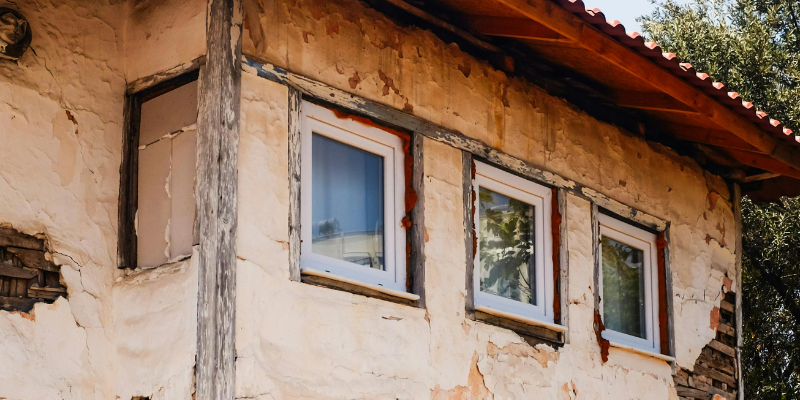
Every homeowner in Washington should know about these signs of foundation damage
It’s not common for foundation concerns to show up with big collapses. They talk quietly before they yell. Here are some things to look out for in your Washington house.
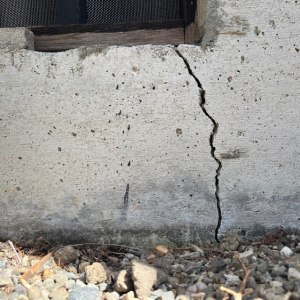
Cracks have stories to tell. Cracks that are only a few inches wide in the concrete foundation walls are usually just for looks, especially in newer buildings. But step cracks in block foundations or horizontal cracks that are more than a few inches could mean that the structure is weak. These signs are especially prominent in older Seattle neighborhoods like Queen Anne and Capitol Hill because the ground has settled over the years.
Your doors and windows are like canaries in a coal mine. Your house might be moving if your interior doors won’t latch properly or your outside windows stick when they used to glide easily. This is especially clear in Washington’s clay-heavy soils around Tacoma and Olympia, where the ground moves a lot because of fluctuations in moisture levels throughout the year.
Problems with the foundation often come with water getting in. White chalky deposits (efflorescence) on basement walls, constant dampness, or even water pools during our famous Pacific Northwest rainy seasons can mean that the foundation has flaws that let moisture in.
If your floors slant or seem bouncy, it could be a sign of foundation slippage or problems with the structural beams. Take off your shoes and stroll about your house. Pay attention to any places where marbles would roll or where you feel like you’re walking up a hill.
Some warning signals on the outside of a house are foundation walls that bow out, gaps between the foundation and siding, or fissures in the brick or stucco that seem like stairs. These symptoms need to be looked at by a specialist right away in parts of Washington that are prone to earthquakes.
Problems with the foundation that hampered home sales in Washington
Buyers and lenders don’t see all foundation concerns the same way. Knowing which problems are most important will help you set the right price and promote your home.
Washington’s most common foundation problem is settlement cracks. The clay, silt, and glacial soils in our area make the ground settle unevenly. Minor settlement doesn’t usually have a big effect on property sales, but severe differential settling that damages the structure will scare away regular buyers and their lenders.
Foundation leaks that let water in cause a lot of problems. Aside from the obvious problems with moisture, purchasers are also worried about mold, wood decay, and the cost of ongoing care. Water damage may ruin pricey additions in places like Bellevue and Kirkland, where many homes have finished basements.
Structural foundation breakdowns need to be fixed right away and cost a lot of money. Most regular purchasers won’t touch a house with bowing walls, big horizontal cracks, or foundation walls that are pushing away from the house, since these are safety issues.
Many properties in Washington have problems with their foundations because of the soil. In the Puget Sound area, clay soils that are quite large swell and shrink when the moisture changes, which puts constant pressure on the walls of the foundation. Soil erosion and lateral strain make things even harder for buildings on high slopes.
Earthquakes can cause damage to buildings that is not immediately visible. Even small earthquakes can cause tiny cracks that get worse over time. The Nisqually earthquake in 2001 damaged thousands of homes and businesses in western Washington. Some of the damage wasn’t clear until years later.
Getting a professional to inspect your home’s foundation before you sell it
Professional inspections take the guesswork out of how to market your home. This is how to plan your strategy.
Begin with a general home examination that looks at the foundation. Licensed home inspectors look for indicators of settling, cracks, or moisture getting into the foundation, basement, and crawl spaces. This offers you a general idea of all the difficulties, not just those with the foundation.
Structural engineers give clear answers to big problems. If your home inspector finds any structural problems, an engineer’s report is important to purchasers and lenders. Engineers can tell the difference between cosmetic cracks and structural concerns, which might save you thousands of dollars in repairs that aren’t needed.
Foundation professionals have the right knowledge to help with certain situations. Companies that only do foundation repair can give you exact figures and deadlines for the work. This information is very important for setting the price of your home and dealing with purchasers.
Soil engineers are important for properties that have problems with settling. A geotechnical examination can find the root causes of problems and provide long-term fixes in Washington’s tough soil conditions. This amount of data is appealing to consumers who want to know what hazards they might face in the future.
Get more than one opinion on big problems. Different contractors can give you quite different estimates for foundation repair. Three quotes show you a realistic range and help you understand the range of possible solutions—and their costs. This is especially important when selling a house with unpermitted work, since contractors may disagree not only on repair methods but also on whether to bring the work up to code or leave it as-is with disclosure. Multiple opinions can help you decide the most practical and cost-effective path before listing your home.
Structural Engineering Reports for Keeping Track of Foundation Problems
Engineering reports turn worrisome unknowns about the foundation into realities that can be dealt with. This is how to use them well.
Structural engineers give buyers and lenders unbiased evaluations that they can trust. Engineering studies focus on safety and structural integrity, but contractor estimates may contain sales pressure. This credibility is important when talking about repairs or price changes.
Detailed records keep you safe from legal problems. In Washington State, sellers must tell buyers about any known structural difficulties, such as roof damage, foundation problems, or other flaws that could harm health, safety, or the structure itself. Professional reports show that you did your homework and lower your risk of being sued.
Prioritizing repairs helps you make sensible choices about money. Engineers usually put problems into three groups: those that are urgent safety concerns, those that need to be fixed within a certain amount of time, and those that need to be watched. This advice helps you put your resources where they will do the most good.
Professional documentation makes it easy to undertake a cost-benefit analysis. Knowing whether a $5,000 repair will save $20,000 in damage in the future can help you choose between addressing problems or selling the car as-is.
Engineering reports can actually boost buyer confidence. Homes with documented foundation issues and professional assessments often sell faster than those with visible problems but no supporting paperwork. Buyers appreciate transparency and the reassurance that comes from an expert evaluation—especially when you’re trying to sell your house fast in Tacoma.
Washington Real Estate’s Legal Requirements for Disclosing Foundation Problems
Washington’s disclosure regulations protect purchasers and give vendors clear rules to follow. Knowing what you have to do now can help you avoid legal troubles in the future.
Sellers in Washington State must fill out Form 17, the Residential Seller Disclosure Statement, which expressly asks about structural difficulties, including foundation troubles. If you lie or leave out known problems, you could be in a lot of legal trouble.
The time restriction for property disclosures is usually two to three years after closing. However, it can be up to six years if the information was purposefully kept secret or was false. Being honest about things will keep you from getting sued in the future.
You must tell people about any material flaws, even if you plan to fix them. Washington law says that you have to tell people about any problems that have happened in the past or are happening now that could have a big effect on the property. This includes any repairs that have been made to the foundation in the past. This openness really helps buyers trust you.
Reports from professional inspectors don’t get rid of the need to tell people. You still have to tell consumers about any concerns you know about, even if they check things out themselves. But professional evidence backs up your disclosure and shows that you mean well.
Full disclosure is still needed for “as-is” sales. Even if you sell your house as-is, you still have to tell people about any known problems. The disclosure protects both sides by making their expectations clear.
Estimating the Cost of Fixing Common Foundation Problems in Washington
Knowing how much repairs will cost helps you decide whether to mend things or sell them as-is. Here’s what you should know about frequent foundation problems in Washington.
Fixing small cracks usually costs between $500 and $1,500 per crack. Simple injections to fix non-structural cracks are not too expensive and can make buyers think much better of the property. Before putting your property on the market, this amount of repair is frequently a good idea.
Most homes need waterproofing and drainage work that costs between $3,000 and $8,000. Buyers are worried about moisture problems, but installing French drains, waterproof membranes, or sump pumps can help. In Seattle, where it rains a lot, good drainage is quite important.
It costs between $15,000 and $40,000 to put in foundation underpinning for settling problems, depending on the size of the house and the quality of the soil. This big repair needs new support systems to be put in place, and it usually needs an engineer to oversee the work. Most sellers don’t choose this option unless they plan to stay in the house for a long time.
It costs between $8,000 and $20,000 to stabilize foundation walls that are sagging or buckling. Steel beams, carbon fiber straps, or wall anchors can stop more movement and fix the structure. This repair is typically a good idea for valued properties.
Replacing the entire foundation is the most expensive choice, costing between $40,000 and $100,000 or more. This extreme step isn’t often cost-effective for sellers, but it may be necessary if the structure is badly damaged. Structural issues aren’t always caused by settling—termite damage can also affect a home’s integrity. Learn more in Can You Sell a House With Termites in Washington?
How problems with the foundation affect property values in Washington markets
Real estate markets in Washington have varying effects on home values when there are foundation problems. Knowing how these things affect prices will help you set the right price.
In September 2025, the average home price in Washington was $630,700, but the average home price in Seattle was $853,000. This shows that foundation concerns have distinct financial effects depending on where they are. In Spokane, a $10,000 foundation problem is more important than in downtown Bellevue.
The state of the market affects how much buyers are willing to put up with issues. When there isn’t much inventory in a competitive market, purchasers could ignore foundation problems that they would turn down in a slower market. About half of all properties in Washington sell within two weeks, which means there is a lot of demand that could work in your advantage.
The type of property affects how bad the damage is. Condos with structural problems may lose even more value than single-family homes with foundation problems, which usually lose 10–20% of their value. This is because of shared liability issues.
Factors that are peculiar to a location are very important. Homes that are in places that are likely to have earthquakes or on unstable soils are more likely to have problems with their foundations. Properties in established neighborhoods with homes that are comparable to each other frequently keep their value better, even when there are problems.
Market impact is affected by buyer financing possibilities. Cash purchasers may be willing to buy a property as-is, but conventional lenders generally require repairs to the foundation before closing. Knowing who your prospective buyers are will help you set your prices.
Selling as-is or fixing foundation problems before selling
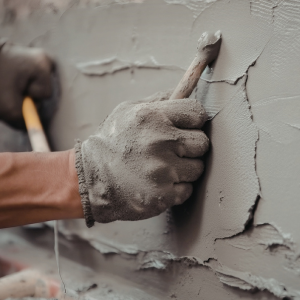
Whether you should fix something or sell it as-is depends on your situation, the state of the local market, and your finances. This is how to look at your choices.
Your choice should be based on financial analysis. Add up the overall cost of repairs, including permits, engineering, and any extra charges that might come up. Look at this next to the predicted rise in the sale price. If repairs cost $15,000 but only add $10,000 in value, it makes logical to sell it as-is.
As-is sales are often better when there isn’t much time. It can take weeks or even months to fix a foundation, especially if you need engineering approval. As-is sales give you peace of mind if you need to sell quickly because of a job move, divorce, or money problems.
The ideal way to do things depends on the state of the market. In a strong seller’s market, purchasers could fight over properties even if they have problems with the foundation. In a buyer’s market, repairs may be needed to get any attention.
How well you can handle stress matters. It’s quite stressful to deal with contractors, permits, and repairs while trying to sell. Even if they leave money on the table, some homeowners like the ease of as-is sales.
Your strategy depends heavily on your target buyer pool. Buyers using traditional financing often can’t take on homes with major foundation issues, making these properties less accessible to them. Instead, homes like these tend to attract cash buyers and investors—and companies like We Buy Houses in Washington—who specialize in purchasing properties that need significant repairs.
How to Market a House with Known Foundation Problems
Honest marketing brings in the correct buyers and keeps you from wasting time with those who can’t deal with foundation issues. This is how to put your property in the right place.
Be honest in your listing description. If you talk about foundation problems up front, you can weed out purchasers who can’t deal with them and draw in people who are looking for fixer-uppers or investment properties. This honesty makes serious prospects trust you.
Price aggressively to get people interested. Homes with known faults need to be priced competitively to ease buyers’ worries. Price 10–15% lower than similar homes that don’t have problems to cover the cost of repairs and the buyer’s sense of risk.
Focus on marketing methods that reach cash buyers and investors. Put your property on websites that cater to investors, get in touch with local real estate investment groups, and think about contacting companies like Serious Cash Offer that deal with troubled homes. These buyers have distinct needs from regular homeowners.
Professional photography is still important. Even homes with problems with their foundations look better when they have nice pictures that show off their best aspects. Instead of talking about problems, talk about the property’s potential.
Make packages of precise information. Add any engineering assessments, inspection reports, and repair estimates. Buyers like getting all the information up front instead of finding problems during their own inspections.
How to negotiate the sale price when repairs are needed on the foundation
When negotiating about foundation problems, you need to find a balance between being open and protecting your values. This is how to have these talks go well.
Set a benchmark for repair costs before you start negotiating. Getting quotations from several contractors and engineering reports gives you reliable numbers to use when talking about prices. Buyers can’t disagree with estimates from professionals.
Think about repair credits instead of price cuts. Some buyers would rather have a credit at closing and do the repairs themselves than accept a reduced sale price. This method helps keep your listing pricing while also addressing customer concerns.
When negotiating, don’t mix up cosmetic issues with structural difficulties. Minor flaws in the foundation might mean a few thousand dollars in credits, while larger structural problems need bigger price changes.
Timing changes how much power you have in a negotiation. You have more options for finding purchasers who are okay with foundation problems early in the selling process. Your negotiating power gets weaker the longer your property is on the market.
Having professional documents makes your case stronger. You can gain credibility in discussions by writing engineering reports that categorize problems as non-structural or offer detailed repair suggestions. Buyers can’t say that problems are worse than what professionals say they are.
Problems with buyer financing for properties with foundation issues
Knowing what your financial limits are will help you find the right purchasers and set realistic expectations for your transaction.
Before closing, most conventional mortgages require repairs to the foundation. Lenders want to protect their money; they usually want structural problems to be fixed. This requirement keeps a lot of potential customers out of your market.
Many problem properties can’t meet the tight foundation standards for FHA loans. Government-backed loans have strict rules on how properties must be in good shape, which foundation problems typically break. This makes your pool of buyers much smaller.
VA loans also don’t let you buy homes that have structural difficulties. Military buyers using VA financing have many of the same problems as FHA purchasers, although a few little problems may be okay if they have the right paperwork.
Cash purchasers don’t have to worry about financing, so they are perfect for properties with foundation problems. Investors, house flippers, and rich people who don’t need financing can close swiftly without having to do any repairs.
Investors can sometimes get hard money lenders to pay for homes with foundation problems. These loans are for a limited time and have high interest rates, but they let buyers buy and fix up properties quickly. Most of them need large down payments.
How to Find Cash Buyers for Homes with Foundation Problems
If you want to sell a house with foundation problems fast and with little trouble, cash buyers are your best bet. This is how to get in touch with them in a useful way.
Local real estate speculators are often looking for homes with foundation problems. These buyers know how much repairs will cost and how long they will take, so they can make smart bids promptly. A lot of them work on structural issues and have built contacts with contractors.
Cash purchasers for houses have a lot of benefits, such as not having to pay broker fees, staging costs, and most other expenditures that come with a typical sale. These savings can make up for lower sale prices on properties with foundation problems.
Online platforms link sellers to networks of cash buyers. Serious Cash Offer and other companies that deal with issue properties can give you swift appraisals of your condition. A lot of the time, these services have more than one investor bidding on homes.
House flippers look for buildings with foundation problems. Flippers usually follow the 70% rule, which means they pay up to 70% of a home’s worth after repairs. In competitive markets, offers might go as high as 80% to 85% of ARV.
Real estate wholesalers can immediately put you in touch with purchasers. In Washington State, wholesalers can legally assign contracts to other investors after putting properties under contract.
Other Ways to Sell Properties with Major Foundation Problems
If traditional sales don’t seem realistic, there are still other ways to sell your property. Here are some choices for tough situations.
If you offer seller financing, you can function as the bank for qualified purchasers. This method works best for investment homes if the purchasers plan to make a lot of changes. You get regular payments while giving up ownership and responsibility for the property.
With a lease-to-own agreement, tenants can grow equity while you keep ownership during the time it takes to fix things. This strategy is good if you can’t afford to make repairs right now but want to get the most money for your home when you sell it.
Even for homes with problems, property auctions can lead to aggressive bidding. Absolute auctions ensure a sale no matter what the price is, while reserve auctions safeguard you from offers that are too low. Investors typically go to auctions to find good offers.
Working with contractors or developers can lead to solutions that work for everyone. Some builders may take properties in exchange for completing building work. This lets them control the quality of repairs while offering you a finished product to sell.
Giving to charity can help you save money on taxes and get rid of recurring costs. For properties that are very damaged and require more to fix than they are worth, giving them to charity can be better for your finances than trying to sell them.
What to Expect When Selling a House with Foundation Problems
Knowing how long things will take helps you plan your move and set reasonable expectations with your family and your boss.
Traditional sales that have problems with the foundation usually take 60 to 90 days or longer. In Washington, the average time it takes to sell a house is 62 days, which includes 21 days on the market and 41 days for the buyer to get financing. Foundation problems add time to this process since buyers need more inspections and time to negotiate repairs.
Depending on the buyer and how complicated the problems are, cash sales can close in 7 to 30 days. Many companies that buy houses claim to close in 7 to 10 days, which is faster than typical sales. This makes cash sales a good option for people who need to move quickly.
If you use a repair-first method, your schedule will be 2 to 6 months longer. You need permits, inspections, and sometimes work that depends on the weather to fix the foundation. When preparing this method, think about the contractor’s schedule and any problems that might come up.
Timing is greatly affected by the state of the market. In September 2025, 7,943 homes were sold in Washington, which is a 3.1% rise from 2024. This suggests that the market is active enough that you could benefit from it.
In Washington’s climate, the seasons make a difference. Summer is a good time to conduct foundation work because it’s dry, but winter weather can make exterior repairs take longer. If you decide to fix things first, be sure you plan ahead.
How to Sell a House in Washington State That Has Foundation Problems

Putting all of these ideas together, here is your step-by-step plan for selling your property in Washington that has foundation problems.
Get a professional assessment first so you know exactly what you’re dealing with. Get a broad assessment of your home and a specific review of your foundation. This investment in learning pays off across the whole selling process.
Do a lot of research on how things are going in your area. In 2025, Washington’s median home price rose 4% to $612,000, and the number of homes for sale rose 11%. Knowing about these patterns can help you set the right price and pick the right time.
Based on your budget, timeline, and level of stress, choose between a repair-first sale or an as-is sale. There is no one right way to do things; the best solution depends on your scenario.
Set prices wisely based on the method you choose. Those that are as-is need to be priced aggressively to ease buyers’ worries, while those that have been fixed up should reflect the expenses of the repairs in their prices.
Target the right buyers for your scenario. Traditional buyers want residences that need repairs, but investors and cash buyers are looking for properties that have problems. Serious Cash Offer and other companies like it are experts in these kinds of circumstances.
Make sure to have all the paperwork ready, such as inspection reports, repair estimates, and engineering assessments. Professional documentation helps buyers feel more confident and backs up your pricing judgments.
Be upfront and transparent in your marketing. Rather than hoping buyers overlook foundation problems, highlight them clearly from the start. This approach attracts serious, qualified buyers while filtering out those who aren’t prepared to handle the situation. Serious Cash Offer buys houses cash, reach out today.
FAQs
Is It Hard to Sell a House with Problems with the Foundation?
Foundation problems do make selling harder, but they don’t make it impossible. You’ll have fewer possible purchasers, mostly cash investors and experienced house flippers who know how to deal with these issues. The most important thing is to set realistic prices and go after the correct buyers from the outset.
How can you show that a seller knew about problems with the foundation?
Washington’s disclosure regulations say that sellers must tell buyers about any concerns they know about. Courts look for proof like prior repair estimates, insurance claims, or contractor consultations. You must tell the truth about any foundation problems that professionals have looked at or repair estimates you have received. If you hide problems you know about, you could be held legally responsible.
What Makes a House Worth Less?
Major structural defects, including difficulties with the foundation, usually have the most effect on home values, lowering prices by 10% to 20% or more. But the real effect depends on the state of your local market, how bad the difficulties are, and how much financing buyers can get. In competitive areas, purchasers might not care about problems that would turn them off in other places.
What Repairs Should You Not Do Before Selling?
Don’t do big repairs to the foundation unless you’re sure they’ll be worth more than they cost. Focus on safety issues and problems that are easy to see that alarm purchasers, but stay away from structural work that costs a lot of money and may not pay off. Sometimes, it makes more sense to sell as-is to the right buyer than to try to fix things that cost a lot of money.
You don’t have to go through this alone if you need to sell your Washington house and have foundation difficulties. The most important thing is to make smart choices based on good information and realistic market expectations, no matter if you decide to fix it up first or sell it as is.
Every day, companies like Serious Cash Offer deal with buildings that have foundation problems. They can quickly and without obligation examine your condition. Sometimes the quickest way to move forward isn’t what you thought it would be.
I’m here to help if you want to chat about your alternatives without feeling pressured or obligated. There is no one-size-fits-all solution, and what works for your neighbor may not work for you. You can sell your property with foundation problems and move on to the next chapter of your life if you have the appropriate mindset and set reasonable goals.
Helpful Washington Blog Articles
- How to Sell a House with Title Issues in Washington
- Who Pays Closing Costs When Selling A House In Washington State
- Washington State Rent-to-Own House Sales
- How To Sell Investment Property In Washington State
- Selling A House with Foundation Problems in Washington
- Best And Worst Months To Sell Your House In Washington
- Sell Your Fixer-Upper House Fast In Washington
- Selling A House with Unpermitted Work in Washington
- Selling A Hoarder House In Washington
- Can You Sell a House in Foreclosure in Washington
- Do I Need a Real Estate Lawyer to Sell My House in Washington State
- Selling Your Home With A Reverse Mortgage in Washington
- How to Stop Foreclosure in Washington
- Is the Seller Responsible for Any Repairs After Closing in Washington
- Can I Sell My House for Less Than Appraised Value in Washington